
Last updated November 23, 2026
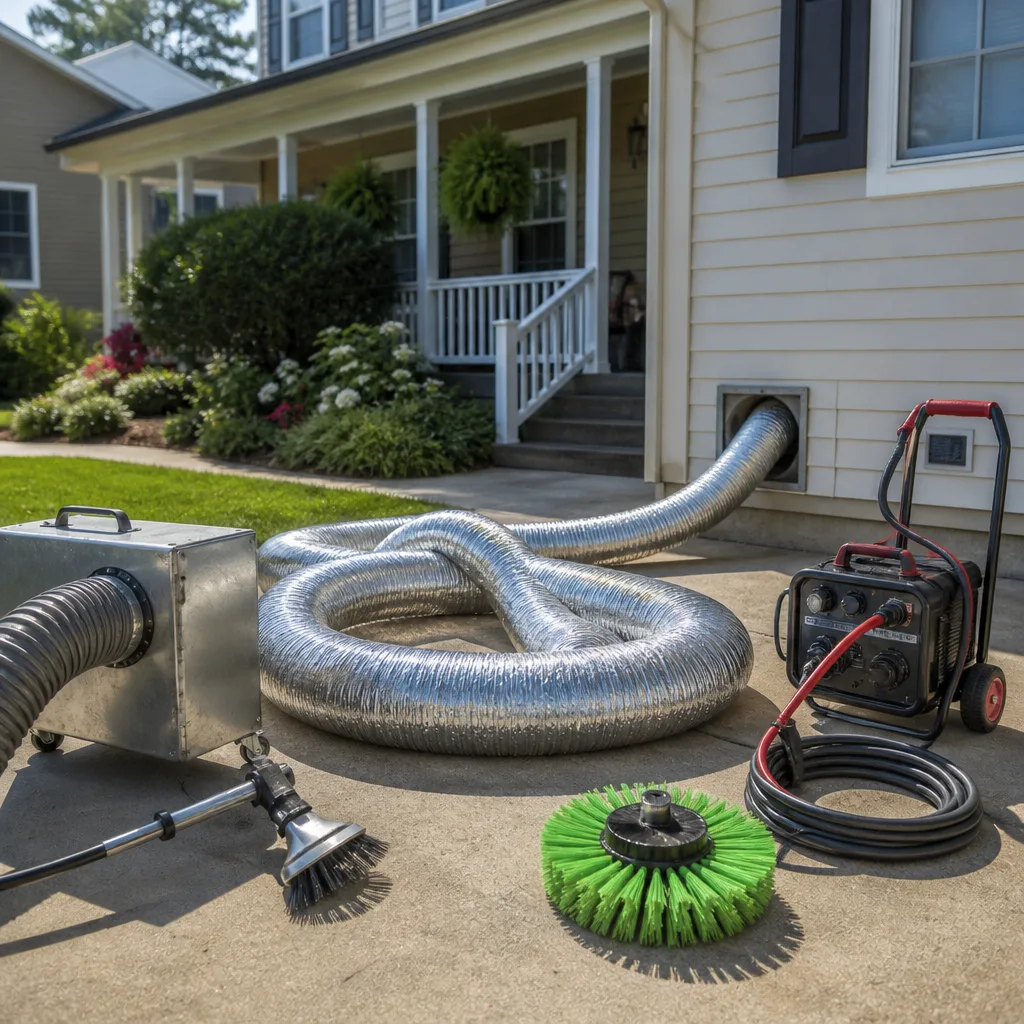 Whole-home duct cleaning
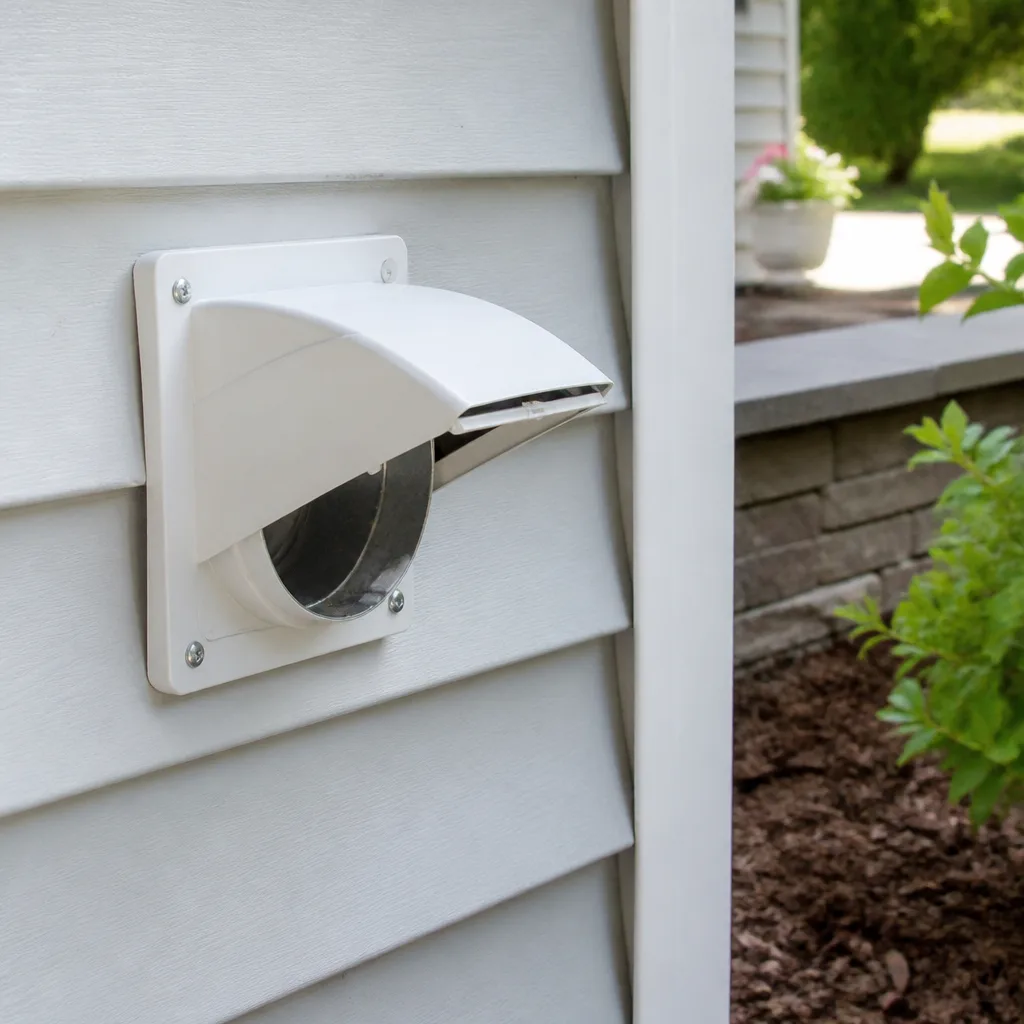 Dryer vent cleaning
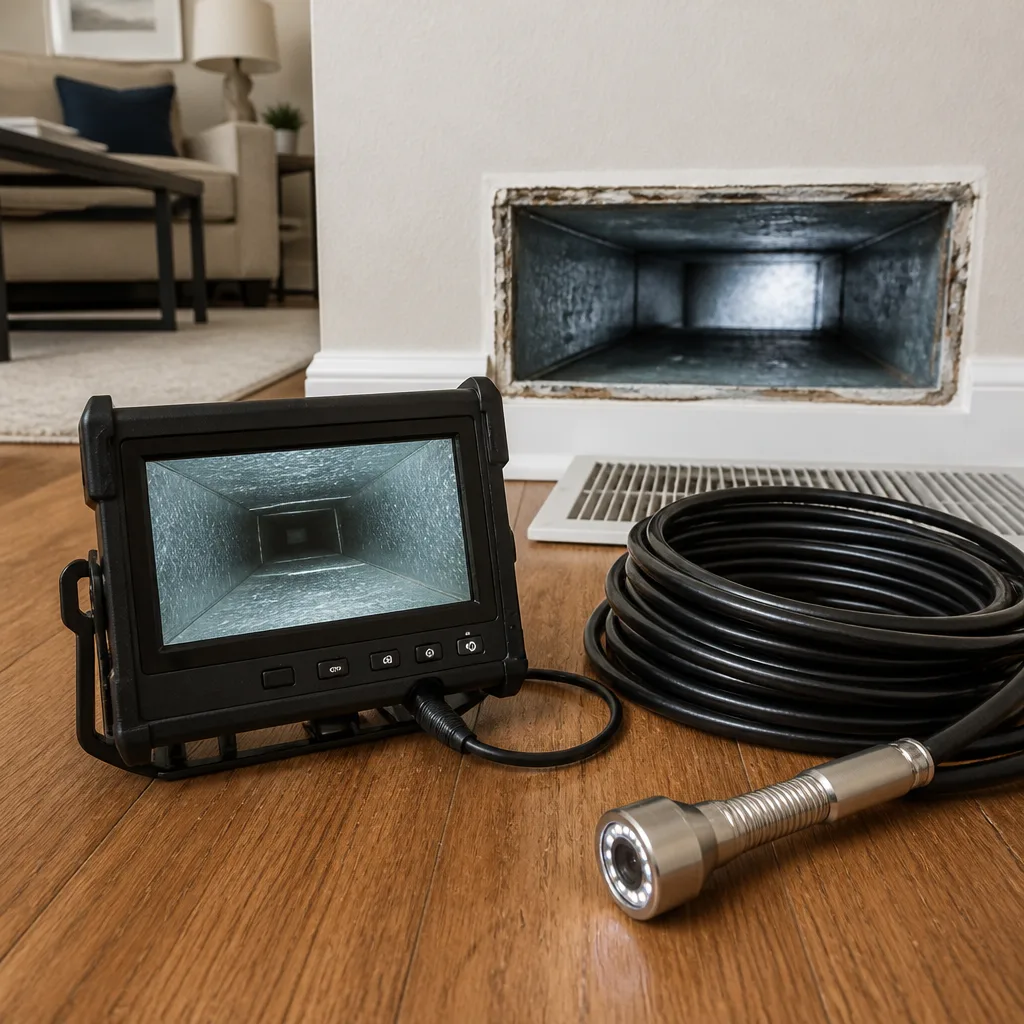 Camera inspection
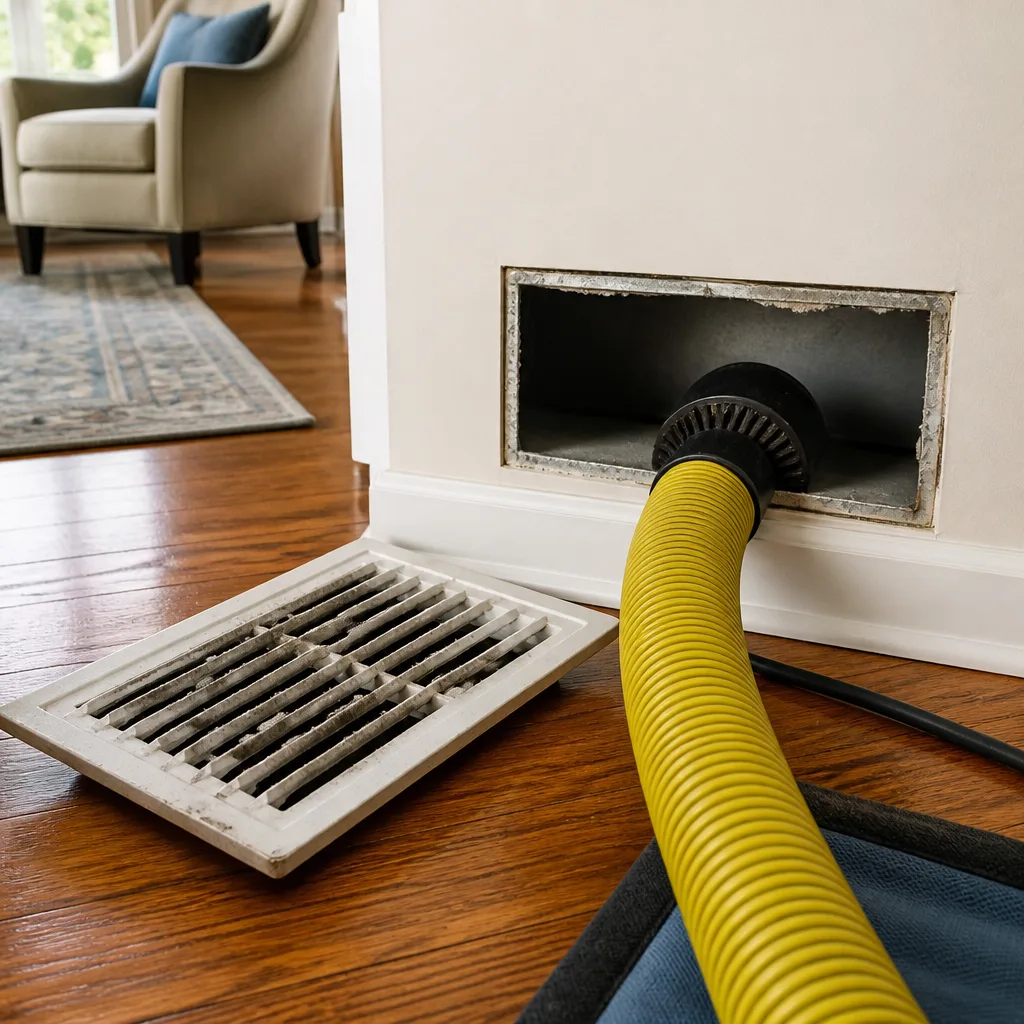 Sanitizing & deodorizing
Whole-system duct and dryer vent check with before-and-after photos - you see exactly what came out of your vents
That "$99 whole-house special" is a bait ad - the real number appears once they are in your hallway, or the "clean" is a shop-vac at the register. We photograph the inside of your ducts before and after instead.
Air Duct Cleaning Cost Breakdown: The Tacoma Homeowner’s Reference for 2026
A $99 duct cleaning quote and a $900 duct cleaning quote in Tacoma can both be fair prices. They’re just for completely different scopes of work, and most homeowners don’t realize this until after they’ve booked. One price covers a quick pass with a shop vac over the closest registers. The other covers every supply run, every return, the plenum, the air handler, and the trunk lines feeding a 1920s bungalow in North Tacoma or a two-story build out in Fircrest, using rotating brush equipment that actually agitates debris off the duct walls instead of loosening dust into your living room. Same words on the invoice, entirely different job behind them.
This reference translates price into scope. You’ll learn the two pricing models contractors use, why Tacoma’s housing stock changes the math, which add-ons earn their cost, and how to compare three written scopes side by side so you’re not guessing. If you want the full picture of what professional air duct cleaning involves before you weigh any quote, start here and read on.
Quick Answer
Air duct cleaning in Tacoma typically runs $350 to $700 for a standard single-family home cleaned per system, with full-system jobs that include repair, sealing, and sanitizing landing between $700 and $1,500 or more depending on linear footage, duct condition, and access. A $99 special almost always covers a per-vent surface pass on a limited number of registers, not the whole system, so read the scope before you compare numbers. The written estimate sets the final price.
Styles & brands we work with
- Whole-home duct cleaning
- Dryer vent cleaning
- Camera inspection
- Sanitizing & deodorizing
Table of Contents
- Per-Vent vs. Per-System Pricing: What Each Model Actually Covers
- How Much Does Air Duct Cleaning Cost in Tacoma? Line-Item Breakdown
- Why Tacoma Housing Stock Changes the Price
- Legitimate Add-Ons vs. Upsells That Aren’t Worth It
- What a Full-System Clean With NADCA-Process Methodology Costs and Why
- How to Build a Written Scope of Work
- How to Spot a Quote That Won’t Hold
- Common Mistakes to Avoid
Per-Vent vs. Per-System Pricing: What Each Model Actually Covers
The single biggest reason Tacoma duct cleaning quotes vary by hundreds of dollars is the pricing model behind them. Per-vent pricing sounds transparent because you can count registers. Per-system pricing sounds vague because nobody knows how many linear feet their ducts contain. The truth is that per-system is the model that matches how ductwork actually works, and per-vent is the model that fits a quick sale.
How per-vent pricing works
A per-vent quote assigns a dollar amount to each register and return grille the technician touches. A typical Tacoma home has 12 to 20 supply registers and 1 to 3 returns. At the low end of the industry, a per-vent figure can be $15 to $40 per vent, which folds into a headline price that looks small. What the invoice rarely explains is that the trunk lines and plenum connecting those vents aren’t included, and those are exactly where most accumulated debris sits. You’re paying to clean the ends of the branches, not the tree.
How per-system pricing works
A per-system quote prices the whole assembly: every supply run, every return, the trunk ducts, the plenum above the furnace or air handler, the blower compartment, and in many jobs the evaporator coil. It’s a flat number for the system because the work is one connected job. Technicians working a per-system job run a negative-pressure vacuum with the air handler off, agitate each branch with a rotating brush line to break debris loose, and pull material back to a collection unit rather than pushing it through the house.
At Tacoma Air Duct Cleaning Pros we price per system, because cleaning half a system does not clean a house. Half the ductwork feeds the same air back into the same rooms.
A side-by-side look
- Per-vent: counts registers, may skip trunk lines, may skip the plenum, quick on-site time, headline price looks low, scope is narrow.
- Per-system: covers the entire duct path, includes returns and main trunk, agitates duct walls with rotating equipment, takes longer on-site, price reflects actual work, scope is documented.
- Hybrid: some contractors quote per-system but add surcharges for returns, the plenum, or second-story lines. Watch for these in the fine print, because they turn a per-system price back into a per-vent one after the visit.
Neither model is dishonest on its face. What matters is whether the quote you’re handed names the components it includes. If it lists a price and a vent count and nothing else, you don’t yet know what you’re buying.
How Much Does Air Duct Cleaning Cost in Tacoma? Line-Item Breakdown
Air duct cleaning in Tacoma typically costs $350 to $700 for a whole-system clean on a standard single-family home, and $700 to $1,500 or more once repair, sealing, or sanitizing enters the job. The ranges below are typical estimates for the Tacoma market. They are not quotes, and the written estimate you receive after an inspection sets the final price.
| Service | Typical Tacoma Range | What It Covers |
|---|---|---|
| Whole-system air duct cleaning (single-family) | $350 – $700 | All supply runs, all returns, trunk ducts, plenum, agitation of duct walls with rotating brush equipment and negative-pressure extraction |
| Air duct cleaning, small home or single-story | $300 – $500 | Same scope, fewer runs and shorter linear footage |
| Air duct cleaning, two-story or complex returns | $600 – $1,000 | Longer trunk runs, multiple return trunks, more access points |
| Duct repair and sealing (partial) | $250 – $600 | Sealing separated joints, taping failing connections, resecuring flex runs |
| Air quality sanitizing (whole system) | $250 – $500 | Application of Guardsman-grade solution after cleaning, using Abatement Technologies equipment |
| Dryer vent cleaning | $125 – $250 | Full lint-line clearing from dryer connection to exterior vent |
| HVAC system cleaning (blower and coil) | $200 – $400 | Cleaning the blower compartment, evaporator coil, and accessible air-handler surfaces |
These ranges assume the ducts are accessible and haven’t been sealed over by a previous remodel. Crawlspace access, which is common in older Tacoma homes, can add labor time because technicians work from below rather than a basement. A home with a fully finished basement and boxed-in trunk lines is faster to work in; a 1910s house in Hilltop with ducts wedged in tight joist cavities is slower.
What isn’t usually on the invoice but affects the total
- Access panels: an older system may have no accessible plenum port. Cutting and resealing one adds a little.
- Registers and grilles: removal for cleaning is part of the job, but bent or painted-over grilles may need replacement.
- Flex duct replacement: crushed or torn flex runs in a retrofitted system can’t be cleaned to any useful standard and may need replacing, which sits outside cleaning scope.
- HVAC cleaning when coil buildup is significant: a heavily fouled coil takes longer and costs more than a light one.
Why Tacoma Housing Stock Changes the Price
Tacoma’s housing stock is not one market. You can drive from a 1900s foursquare in the Stadium District to a mid-century ranch in Lakewood’s edge to a 2005 build in Northeast Tacoma inside twenty minutes, and each of those houses has a different duct system, a different amount of linear feet, and a different access challenge. That’s before anyone lifts a tool. When we build a quote, we’re pricing the house, not the zip code.
Pier-and-beam crawlspace access
Many older Tacoma homes sit on pier-and-beam foundations, which means no basement and no accessible duct chase from below in places. Trunk lines run in the crawlspace, and technicians end up working on their knees in tight, low clearance with a rotating brush line threaded through. That’s slower than a basement job with standing headroom. A home with easy access doesn’t pay for the hard-access house down the street, and it shouldn’t.
Original galvanized duct
Homes from the 1920s through the 1950s in Tacoma often still have the original galvanized sheet-metal ducts, and many have been extended, patched, or rerouted over the decades. Galvanized duct is cleanable, but the joints and seams can be loose, which means the return system may be pulling unfiltered air out of a crawlspace or wall cavity. Cleaning it without sealing it means you’re cleaning ducts that will get dirty again. That’s why duct repair and sealing belongs alongside cleaning, and why we treat the two as one conversation.
Multi-story homes and complex return systems
A two-story Tacoma home with a central return and separate upstairs return runs more linear feet and takes longer to agitate completely. The upstairs supply trunk is often a long run behind a knee wall, and the return trunk splits in ways that need more than one access point for meaningful extraction. A quote built on a per-vent count won’t see any of this. A quote built on the actual number of runs and returns will.
Tight modern builds and flex duct systems
Newer construction around Tacoma frequently uses flex duct in tight chases. Flex is more restricted than hard duct and can crush at bends, which cuts airflow and traps debris. We use Rotobrush and Nikro systems because rotating brush agitation works inside flex runs without the aggressive contact that damages the liner. If a run is crushed or has failed, the answer is replacement, not cleaning, and a good quote will say so.
Legitimate Add-Ons vs. Upsells That Aren’t Worth It
Not every add-on on a duct cleaning invoice is a scam, and not every one earns its price. The test is whether the service addresses a real condition in your system that cleaning alone won’t solve. Here’s how we sort them.
Worth the money in most Tacoma homes
- Duct repair and sealing: if joints are separated or the system pulls dirty crawlspace air, sealing is the root-cause fix. Cleaning a leaky system just resets the clock.
- Dryer vent cleaning: lint buildup in the dryer vent line is a leading cause of house fires, and it’s a service many duct cleaners skip or route to a subcontractor. Ours is included in the same visit. Full details are on our dryer vent cleaning page.
- HVAC system cleaning (blower and coil): if a blower wheel is matted with dust or a coil is fouled, dirty ducts are only half the problem. Cleaning both is what restores airflow.
- Air quality sanitizing: after cleaning, applying a Guardsman-grade solution with Abatement Technologies equipment targets allergens, mold spores, and microbial growth on duct surfaces. Worth it for allergy and asthma households, and worth skipping if cleaning itself hasn’t been done first.
Often not worth the price
- Fragrance or “fresh air” treatments: masking an odor doesn’t fix the source. If there’s a smell, san the source, don’t perfume the ducts.
- “Enzyme” or “anti-microbial” mists applied without cleaning: no product reaches a duct wall that still has a layer of debris on it.
- UV lights sold as a substitute for cleaning: UV systems can be a useful component of an air quality setup, but they don’t remove the debris that shelters the organisms they’re meant to address.
- Filter “upgrades” quoted at the door without measurements: a premium filter sold without checking your system’s static pressure can reduce airflow. We install Honeywell and Aprilaire products after cleaning, sized to the system, not thrown in as an order pad item.
Numbered order of what to prioritize
- Whole-system cleaning first, always. Nothing else works on top of debris.
- Duct repair and sealing if the inspection finds leaks, separated joints, or crawlspace air infiltration.
- HVAC and coil cleaning if the blower or coil is fouled.
- Sanitizing if the household has allergy or asthma concerns, or if microbial growth is visible.
- Dryer vent cleaning on the same visit, because it’s a fire-safety item and the equipment is already on site.
- Filtration and air quality upgrades (Aprilaire, Honeywell) last, so they’re sized to a clean, sealed system.
What a Full-System Clean With NADCA-Process Methodology Costs and Why
A full-system clean following NADCA-process methodology typically costs $500 to $900 in Tacoma for a single-family home, and the reason for the price is the process itself. NADCA (the National Air Duct Cleaners Association) publishes a standard for how source removal should be done: the whole system is placed under negative pressure, every component that touches the airstream is addressed, and the work is documented. That standard exists because the alternative, a light surface pass with a vacuum hose, doesn’t reliably remove what’s accumulated.
Our technicians have up to 9 years of experience, and in that time the pattern has been consistent: the jobs that solve an air quality complaint are the ones that followed the process, not the ones that hit a vent count and left.
What the NADCA-style process involves
- Inspection and access: identify supply runs, returns, trunk lines, the plenum, and the air handler, then open the access points needed to reach them.
- Containment: place the system under negative pressure with a collection unit so debris is pulled out rather than pushed into living space.
- Agitation: run a rotating brush line through each branch to break material off the duct walls. This is where the equipment matters. Our Rotobrush and Nikro systems agitate and extract, not blow dust around.
- Vacuum and extraction: pull loosened debris back to the collection unit, working branch by branch and finishing with the trunk and plenum.
- Component cleaning: clean the blower compartment and evaporator coil when accessible, because dirty components recontaminate clean ducts.
- Sealing and repair: reseal access points and address any separated joints or failing connections found during the inspection.
- Before-and-after photos and documentation: show you what changed, because a clean job leaves evidence you can see.
The price gap between a $350 whole-system clean and a $900 full-system job usually comes down to the size of the system, the number of returns, access difficulty, and how much component cleaning is included. The gap between either of those and a $99 special is the process itself. One is a job; the other is a promotional entry point.
Why we don’t offer a $99 special
We don’t price per vent and we don’t quote a coupon figure, because both create the same problem: the technician arrives with a number that doesn’t cover the work and the invoice grows on site. One flat price per system, agreed before work starts, is the whole reason the number you hear on the phone is the number you pay.
How to Build a Written Scope of Work
Three duct cleaning quotes are only comparable if all three describe the same work. Most aren’t written that way, which is how a $400 quote and a $900 quote end up in the same conversation when they’re not the same job. Ask every contractor for a written scope of work. Here’s what yours should name.
- Linear footage or run count. Not a vent count. How many supply runs, how many returns, and total approximate linear feet.
- Components included. Does the scope name the plenum, the trunk lines, the blower compartment, and the evaporator coil? If any are missing, the price is for something less than a whole system.
- Equipment specified. What agitation tool and what vacuum? A scope that names Rotobrush or Nikro tells you the contractor is using rotating brush agitation and negative-pressure extraction, not a shop vac and a hose.
- Access method. Crawlspace, basement, or attic, and whether access panels will be cut and resealed.
- Add-ons itemized separately. Sealing, sanitizing, and dryer vent work should each have a line, so you can decide what to include and what to leave off.
- Documentation. Does the scope promise before-and-after photos of your own ducts? Ours does, because photos are how you confirm the work was actually done.
- Price and final price clause. One flat price per system, agreed before work starts, with any potential change orders named in writing rather than raised on site.
Hand that document to three Tacoma contractors and you’ll get three comparable numbers. Hand a “how many vents do you have” question to three contractors and you’ll get three numbers that mean different things. For a deeper walk-through of what to expect on the day, our HVAC cleaning page covers the system that feeds your ducts, and the main service page puts the five-service scope in one place.
How to read a quote you’ve already received
- If it names a vent count and a total, ask for the run count and linear footage in writing.
- If it names a per-vent rate, ask what happens to the trunk lines and plenum.
- If it’s a promotional headline price, ask for the base price before the promotion and what the promotion excludes.
- If it doesn’t name the equipment, ask what agitation tool will be used and what vacuum.
- If there’s no written scope, don’t book. You have nothing to hold anyone to.
How to Spot a Quote That Won’t Hold
A quote that changes on site is the single most common complaint homeowners bring to us about other contractors. The industry’s bait-and-switch reputation exists because promotional pricing is common, and the way to protect yourself is to know what the pattern looks like before you make the call.
- A headline price with no scope. A $99 special works if it’s honestly labeled as a per-vent surface pass. It’s bait if it’s discussed as whole-house duct cleaning.
- A price quoted over the phone without knowing the house. A contractor who never asks about returns, crawlspace access, or square footage doesn’t know what your job costs.
- A price that grows after the technician arrives. “We found some additional issues” is legitimate only if the scope said change orders would be named in writing and approved by you. If the invoice grows and nothing was signed, you’ve been sold twice.
- No documentation offered. If nobody offers to show before-and-after photos of your own ducts, there’s no way to confirm what happened.
- Per-vent quotes that exclude returns. Returns are often the dirtiest part of the system and the most expensive part to access. A quote that doesn’t mention them isn’t a whole-house quote.
- Door-to-door duct cleaning offers. A crew working a neighborhood without being called rarely has a documented scope or a fixed flat price.
None of this requires suspicion to act on. Ask for the scope, ask for the equipment, ask about returns, and confirm the price doesn’t change unless you approve a change in writing. A contractor with a real process wants those questions. A contractor without one will change the subject.
Common Mistakes to Avoid
- Booking on price alone without a scope. A $99 quote and a $900 quote don’t compete on price; they compete on scope. Compare the scope first, then the number.
- Forgetting the returns. A per-vent quote on supply registers only leaves the dirtiest part of most Tacoma systems untouched. Make sure the return trunks are on the invoice.
- Cleaning without sealing a leaky galvanized system. Older Tacoma homes with loose joints pull crawlspace air into the ducts. Cleaning without sealing just resets the clock on the same problem.
- Skipping the dryer vent because “it’s a separate service.” It shouldn’t be. The dryer vent is a fire-safety item and we clean it on the same visit for that reason.
- Sanitizing before cleaning. A sanitizing product applied to a duct wall with debris on it doesn’t reach the surface it needs to reach. Cleaning first, sanitizing second.
- Buying air quality products before ducts are clean. A new filter or air purifier installed ahead of cleaning is a filter that fouls faster. Honeywell and Aprilaire products work best after the system is clean.
- Accepting a verbal quote. If there’s no written scope and no final flat price, you have no protection. A written estimate is the only number that holds.
See the difference
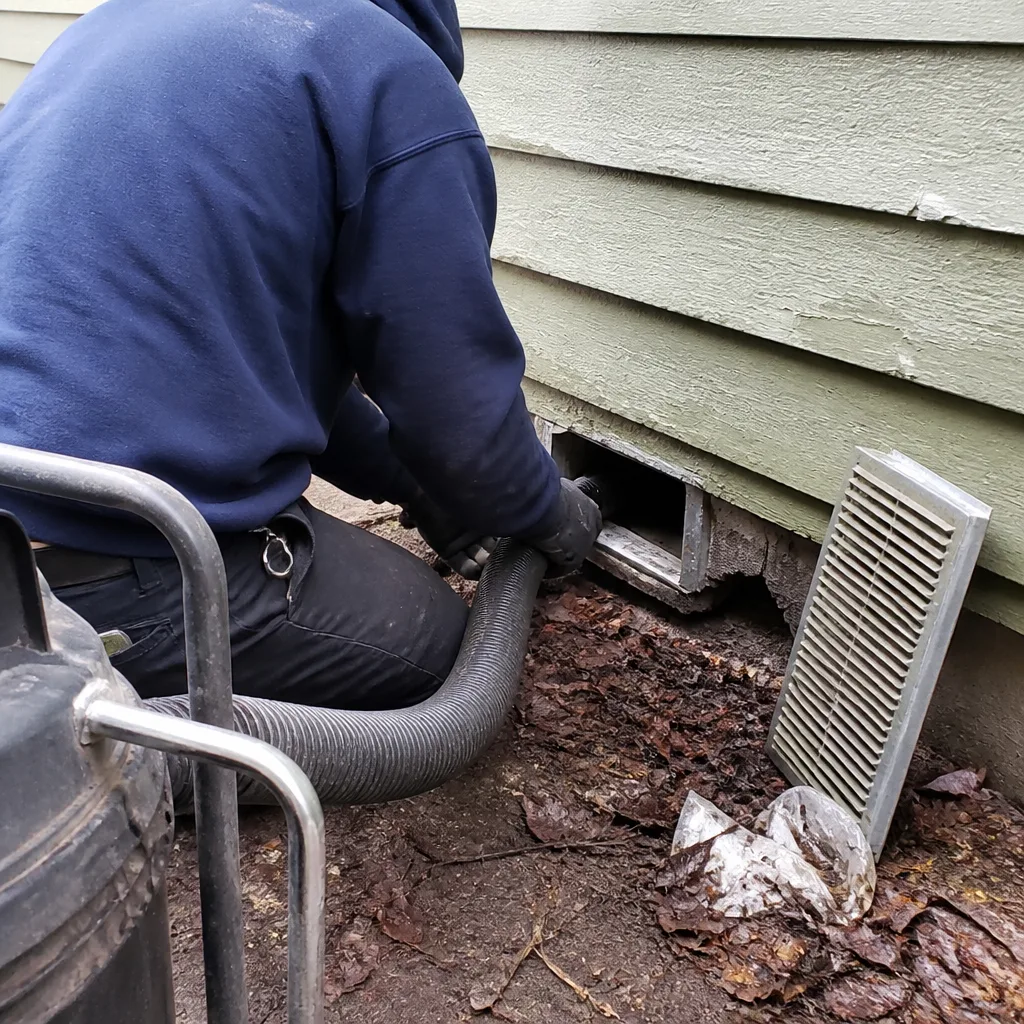 Before
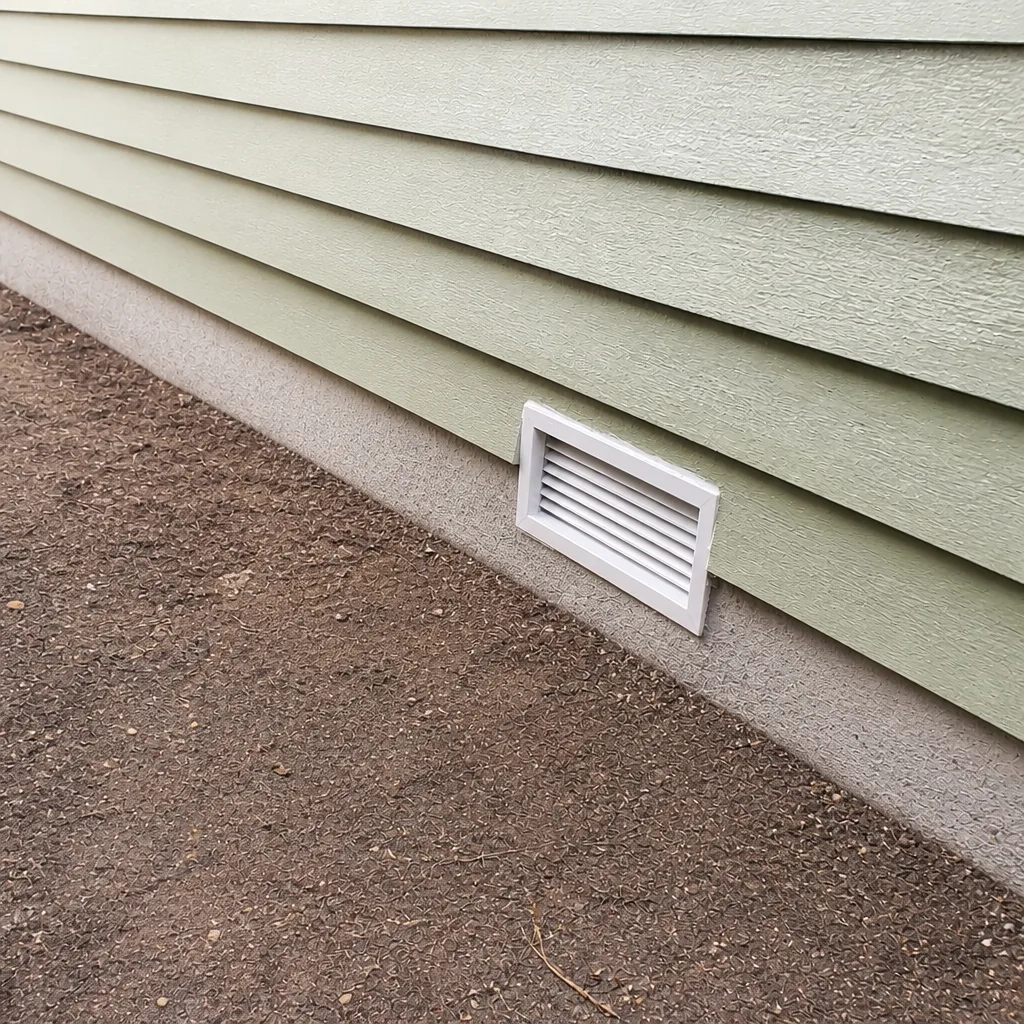 After
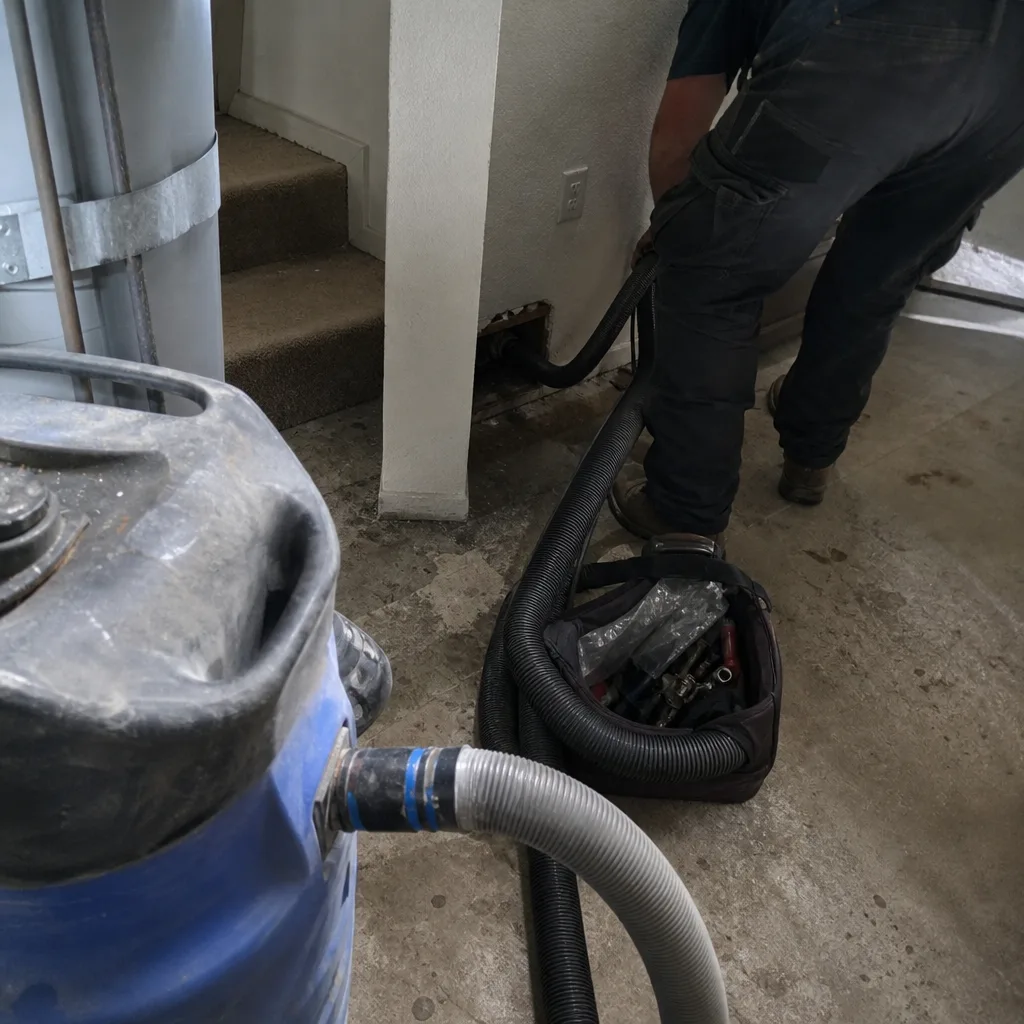 Before
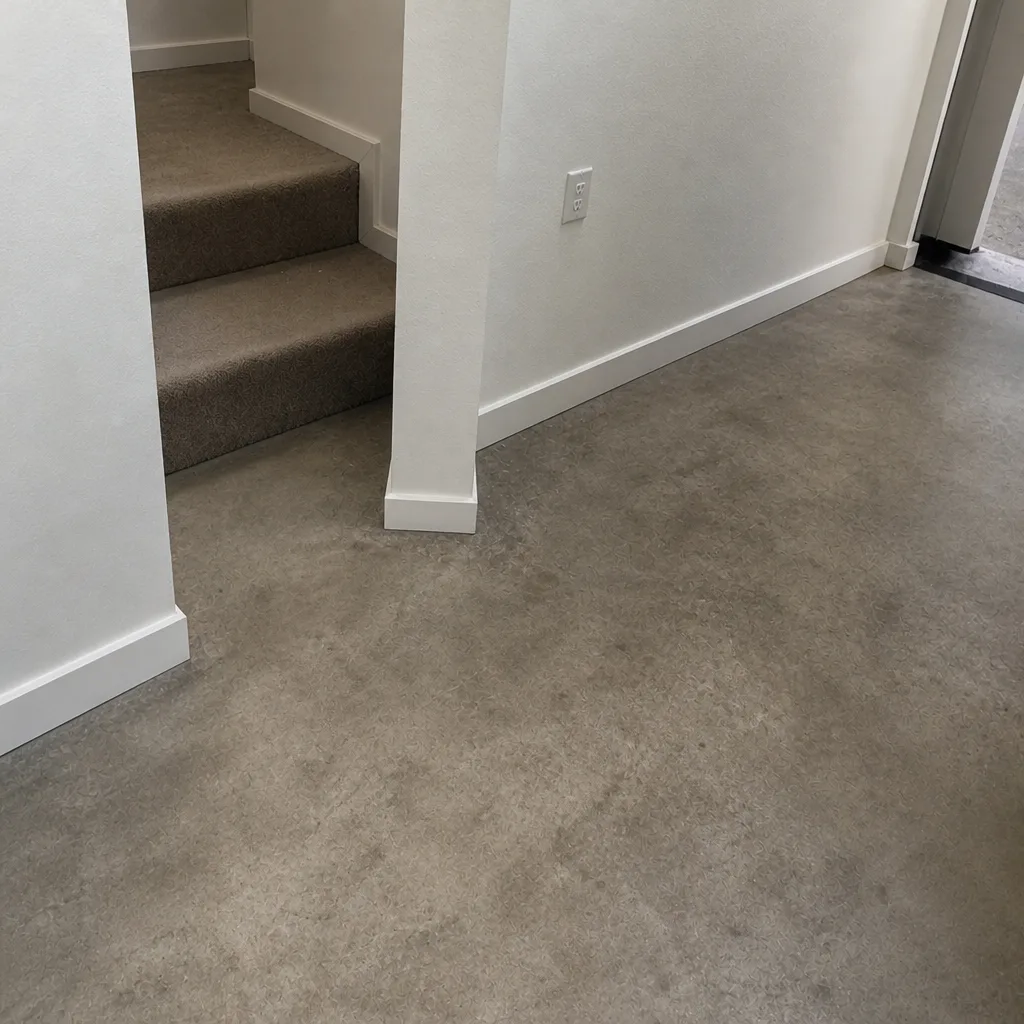 After
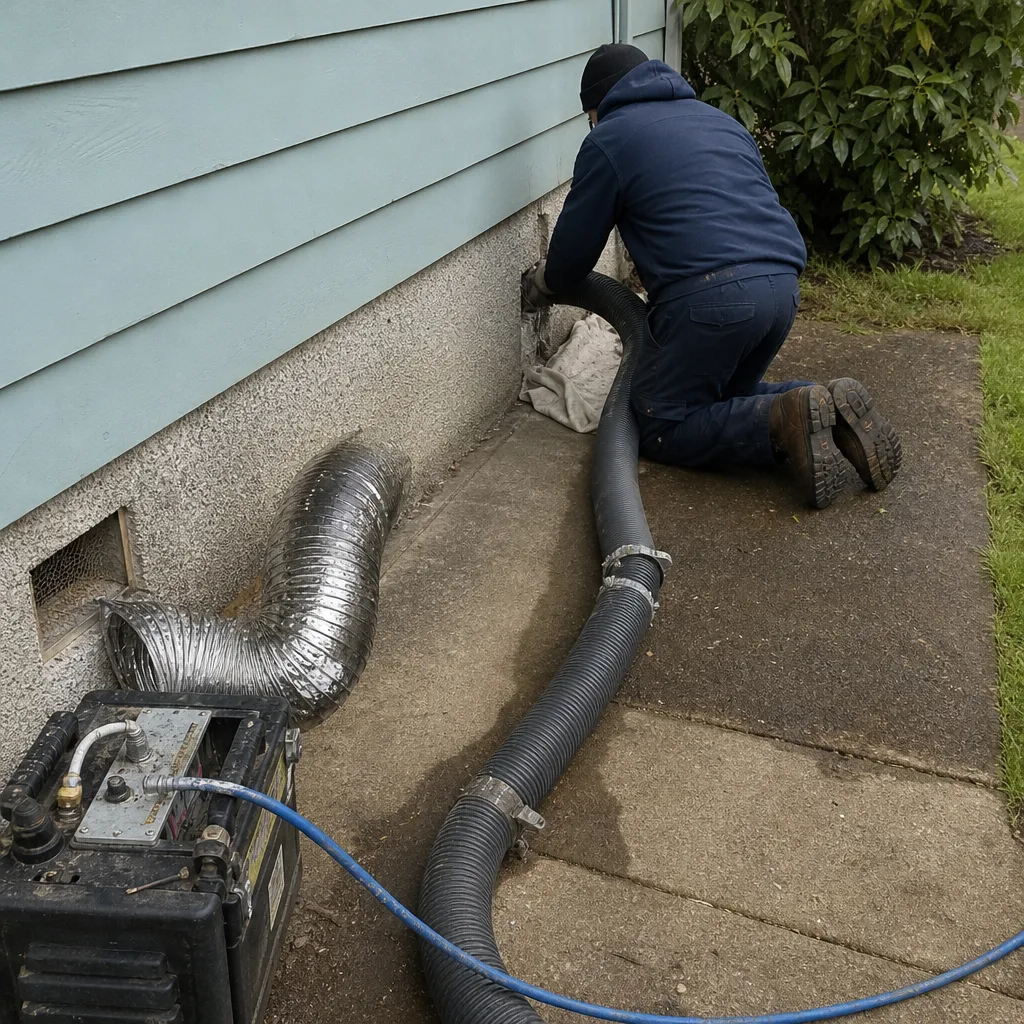 Before
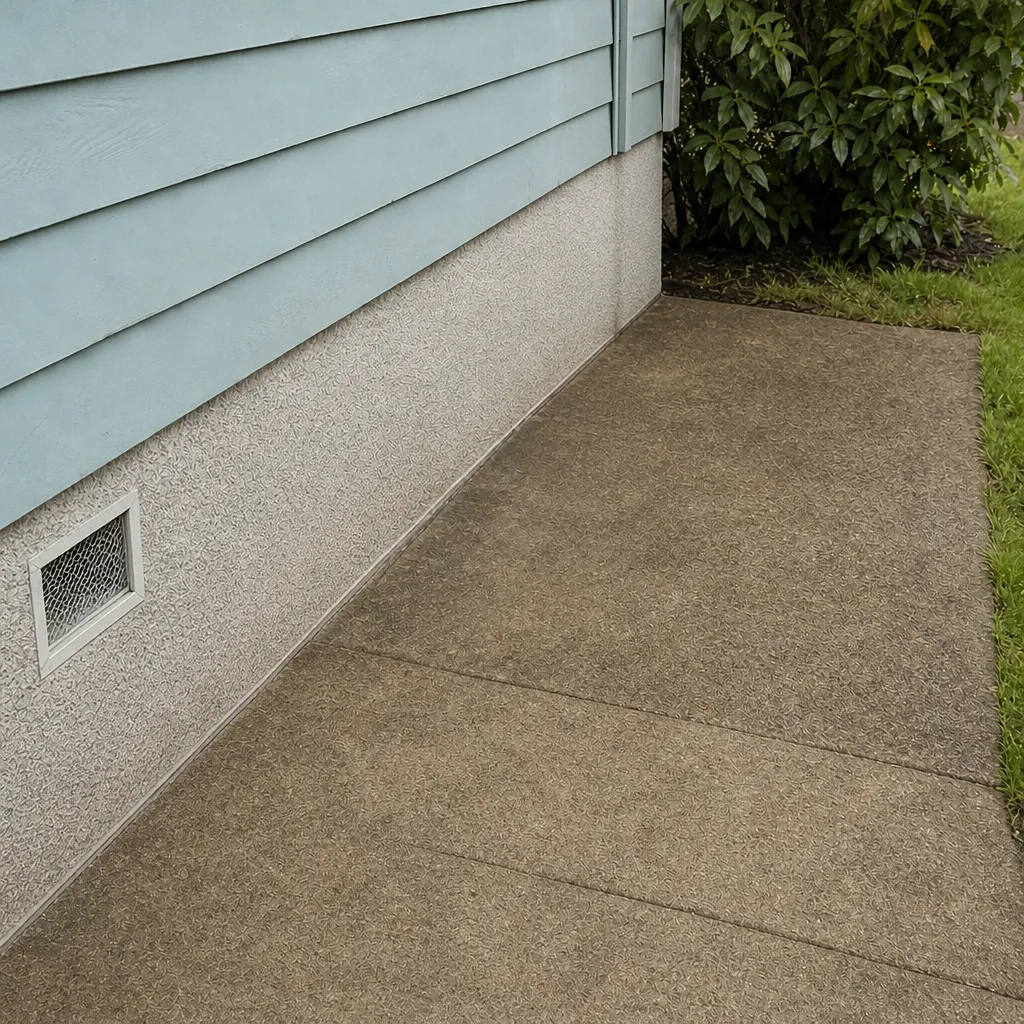 After
When to Call a Professional
You don’t need duct cleaning because a calendar told you to, and no legitimate service should push it on a schedule. You need it when there’s a reason: visible dust streaking out of supply registers, a recently completed remodel that filled the ducts with construction debris, a persistent musty smell when the system runs, a household with allergy or asthma symptoms that seem tied to the HVAC cycle, a dryer that takes far too long to dry a load, or an inspection that found microbial growth or separated joints in the ductwork.
The rest of the time, clean what you can see and seal what you find leaking. If the ducts are newer and the system is sealed and the filters are sized properly, an every-few-years cleaning is a maintenance item, not an urgent one. When it is the right time, we’d rather give you an honest scope than sell you a special. Tacoma Air Duct Cleaning Pros offers free estimates in Tacoma. Call (877) 865-3172. We answer 24/7, and fast dispatch is available from 7am to 7pm, Sunday through Friday.
Frequently Asked Questions
Whole-system air duct cleaning in Tacoma typically costs $350 to $700 for a standard single-family home, and $700 to $1,500 or more once repair, sealing, or sanitizing is added. The written estimate sets the final price. Call (877) 865-3172 for an exact quote. Estimates are free.
Cheap quotes are almost always a different, smaller scope: a per-vent surface pass on a set number of registers, without the trunk lines, plenum, or returns. A quote of $99 and a quote of $700 aren’t competing on the same job. Ask for the run count and the components included before you compare dollars. Call (877) 865-3172 and we’ll walk you through a written scope for your home.
Before-and-after photos of your own ducts are the standard answer. A proper clean agitates debris off the duct walls with rotating brush equipment and extracts it, and the difference is visible in the photos plus the material pulled into the collection unit. We document every job that way. Call (877) 865-3172 to book a free estimate.
In our experience, most Tacoma homes don’t need it on a fixed schedule. Remodels, visible dust from registers, musty smells, pest activity, or an inspection finding microbial growth are the real triggers. A clean, sealed, properly filtered system goes years between cleanings. If you’re not sure, a free assessment is cheaper than a guess. Call (877) 865-3172.
Often, yes. Pier-and-beam crawlspace access adds labor time because technicians work in low clearance, and original galvanized duct often needs sealing alongside cleaning. Both are real costs and neither should be hidden in a headline price. Call (877) 865-3172 for a Tacoma estimate that accounts for your actual duct system.
Together, whenever the inspection finds leaks or separated joints. Cleaning a leaking system means the ducts will pull unfiltered air from the crawlspace or wall cavities again, which puts you back at the start. One flat price per system, agreed before work starts, covers both. Call (877) 865-3172 to schedule the inspection.
The Bottom Line
Duct cleaning prices in Tacoma range from promotional specials to four-figure full-system jobs, and the number itself tells you almost nothing. The scope tells you everything. Per-system pricing covers the whole duct path; per-vent pricing often covers the ends of the branches and leaves the trunk and returns untouched. Tacoma’s pier-and-beam crawlspaces, original galvanized duct, and multi-story return systems each change the labor, and the equipment, whether that’s Rotobrush, Nikro, or a rotating brush line into a negative-pressure vacuum, is what separates a clean from a pass. Get a written scope, check the components, confirm the price is flat, and remember: the estimate sets the final price. One call covers the ducts, the HVAC system, the dryer vent, and the air quality.
Call (877) 865-3172 for a free estimate. We answer 24/7. Fast dispatch from 7am to 7pm, Sunday through Friday. We’re closed Saturday.
Written by the team at Tacoma Air Duct Cleaning Pros.