
Last updated November 23, 2026
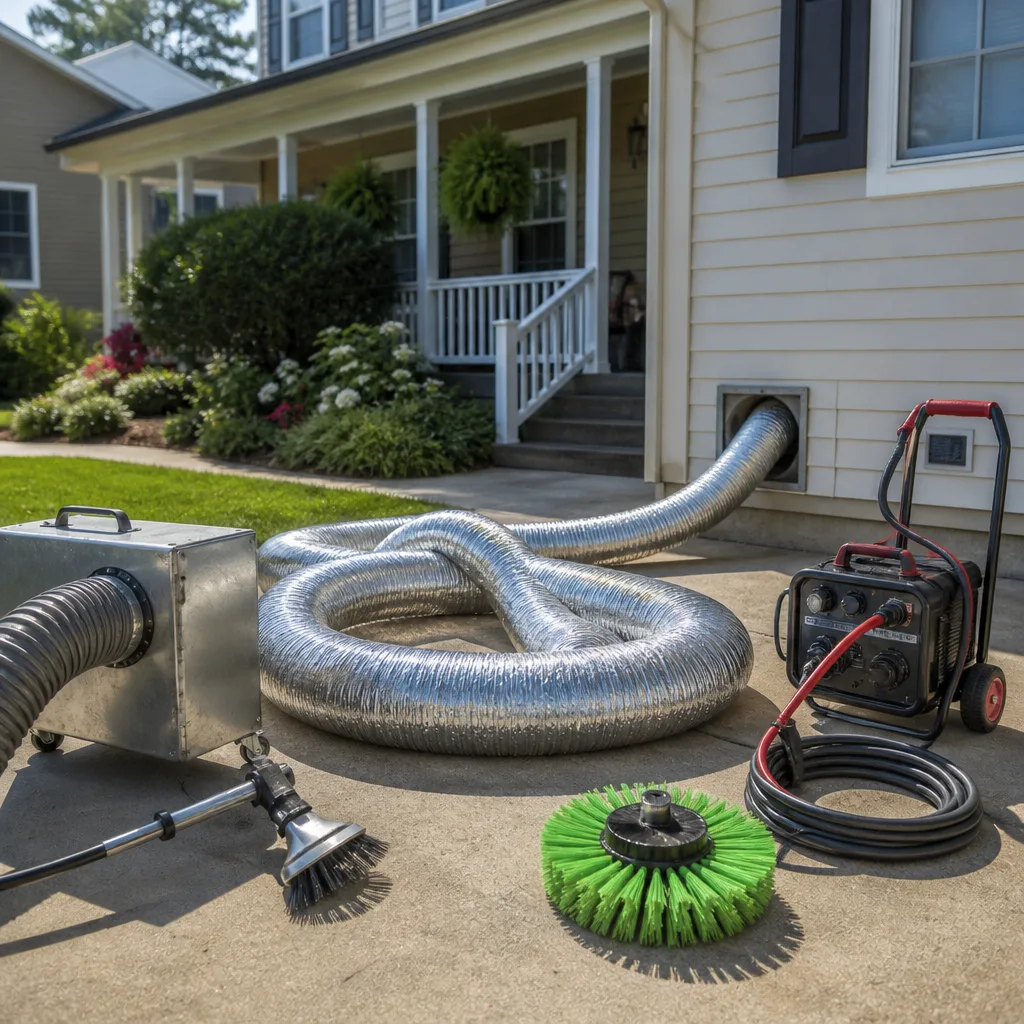 Whole-home duct cleaning
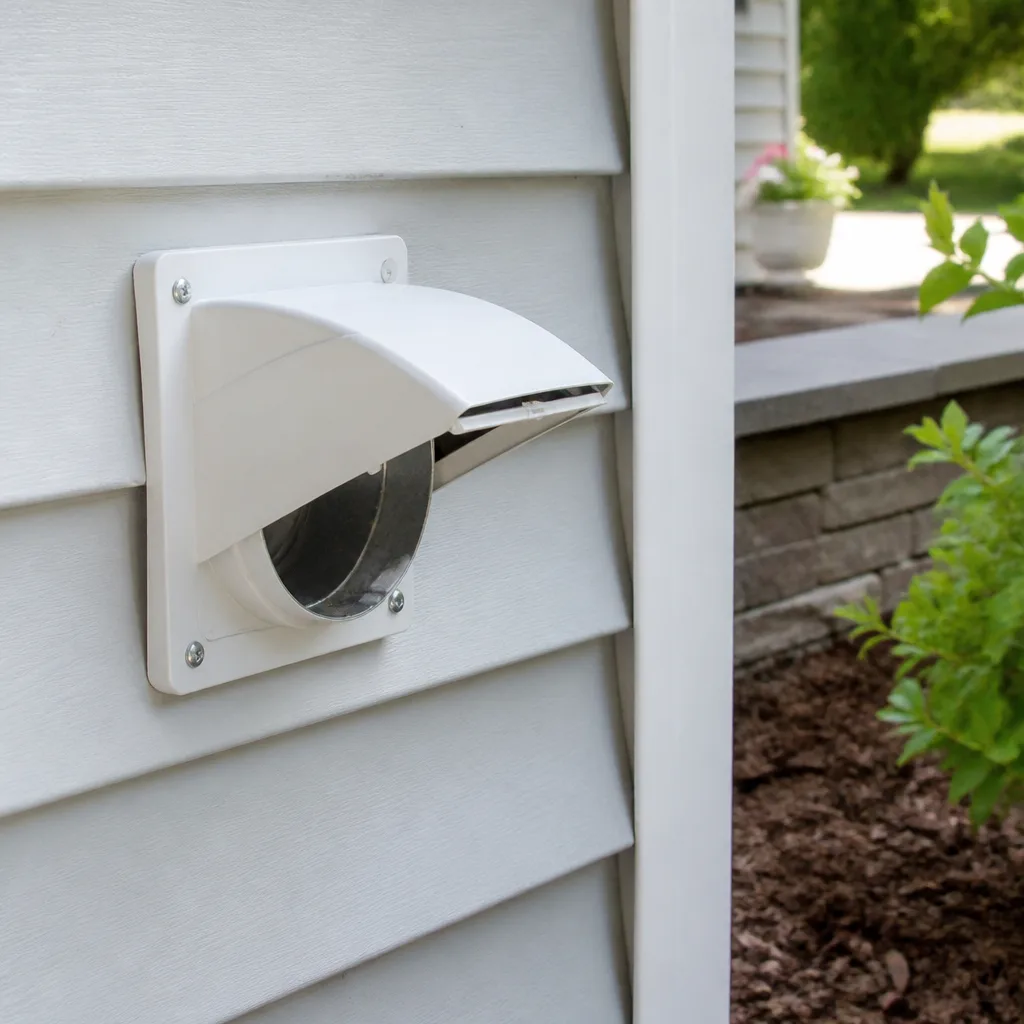 Dryer vent cleaning
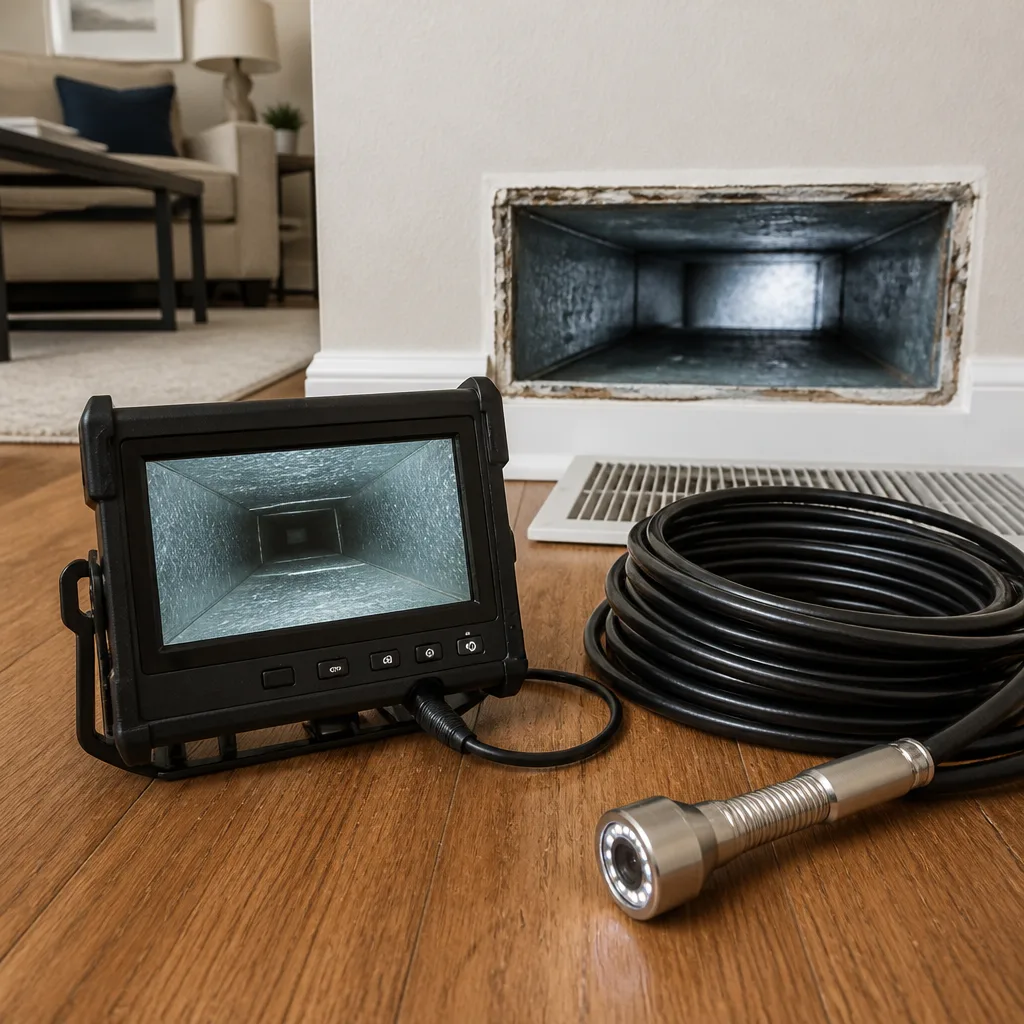 Camera inspection
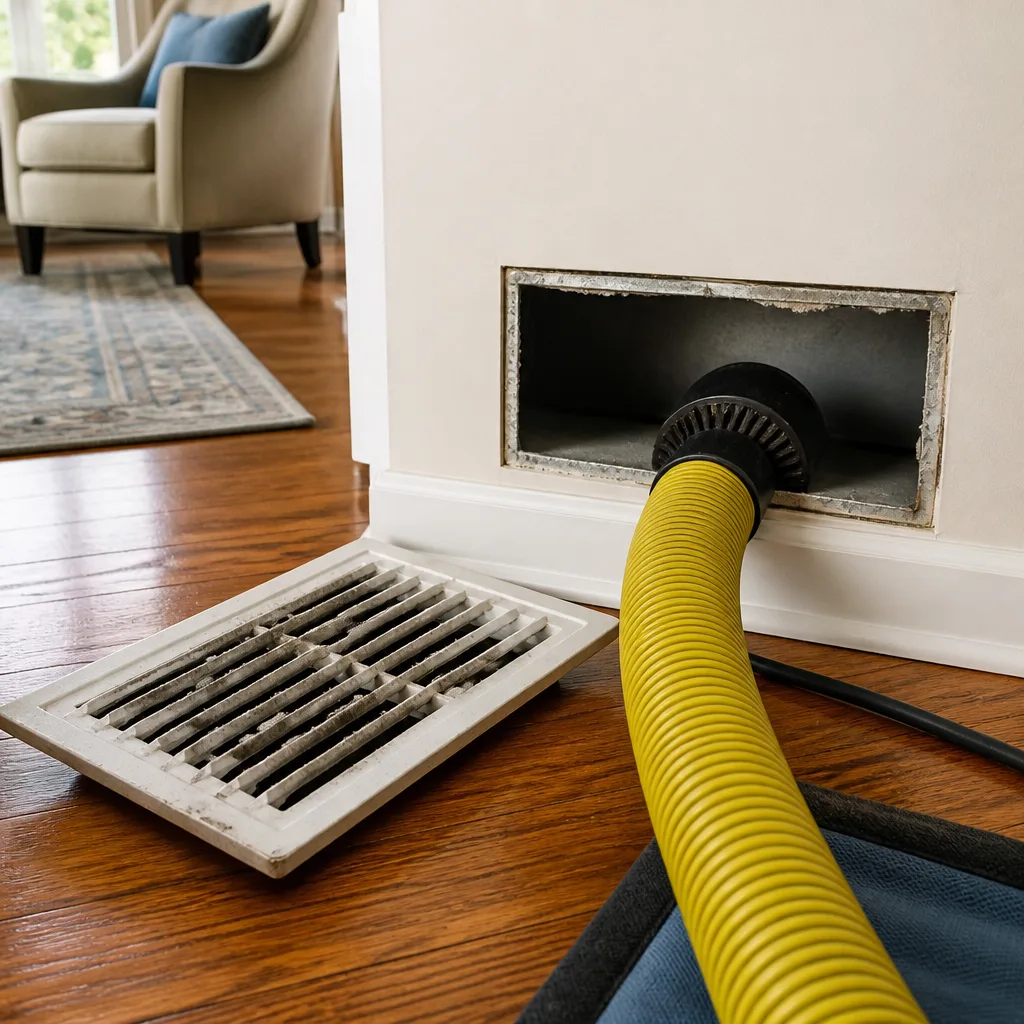 Sanitizing & deodorizing
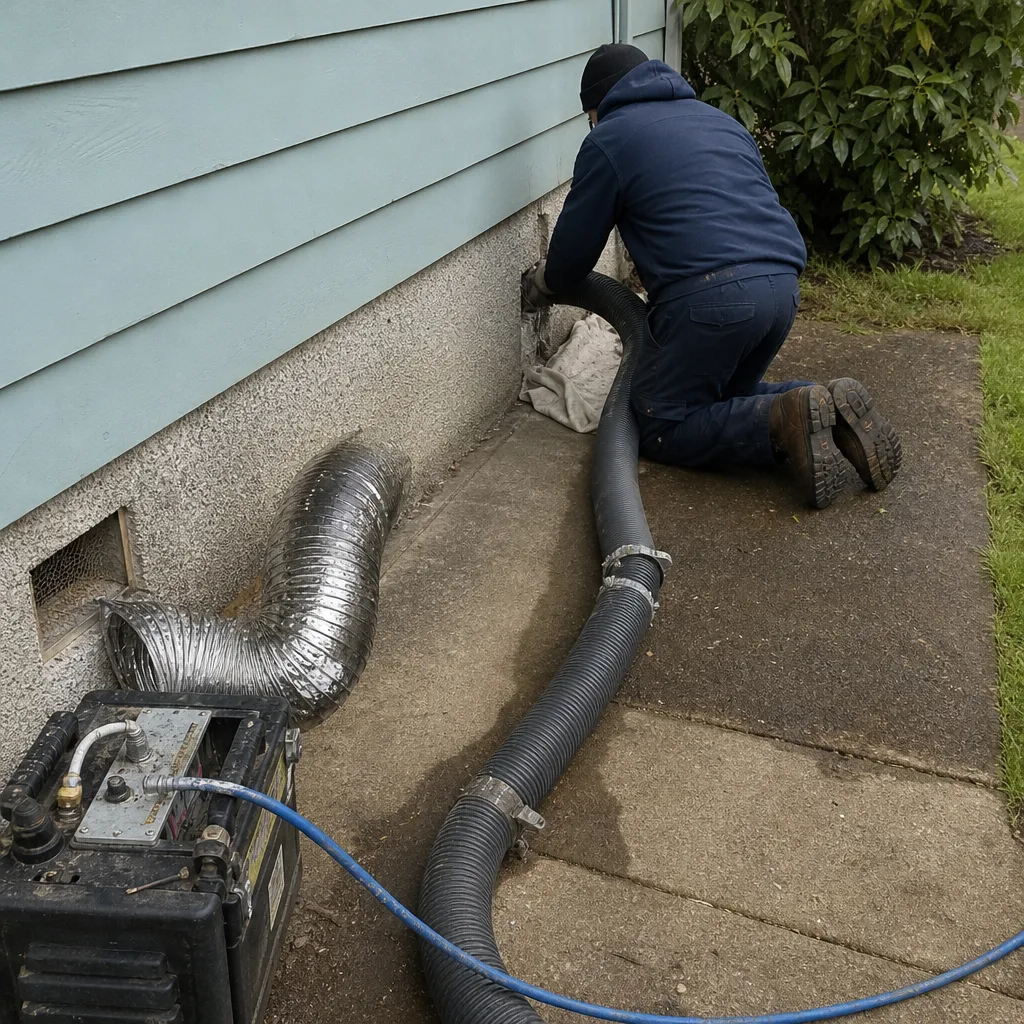
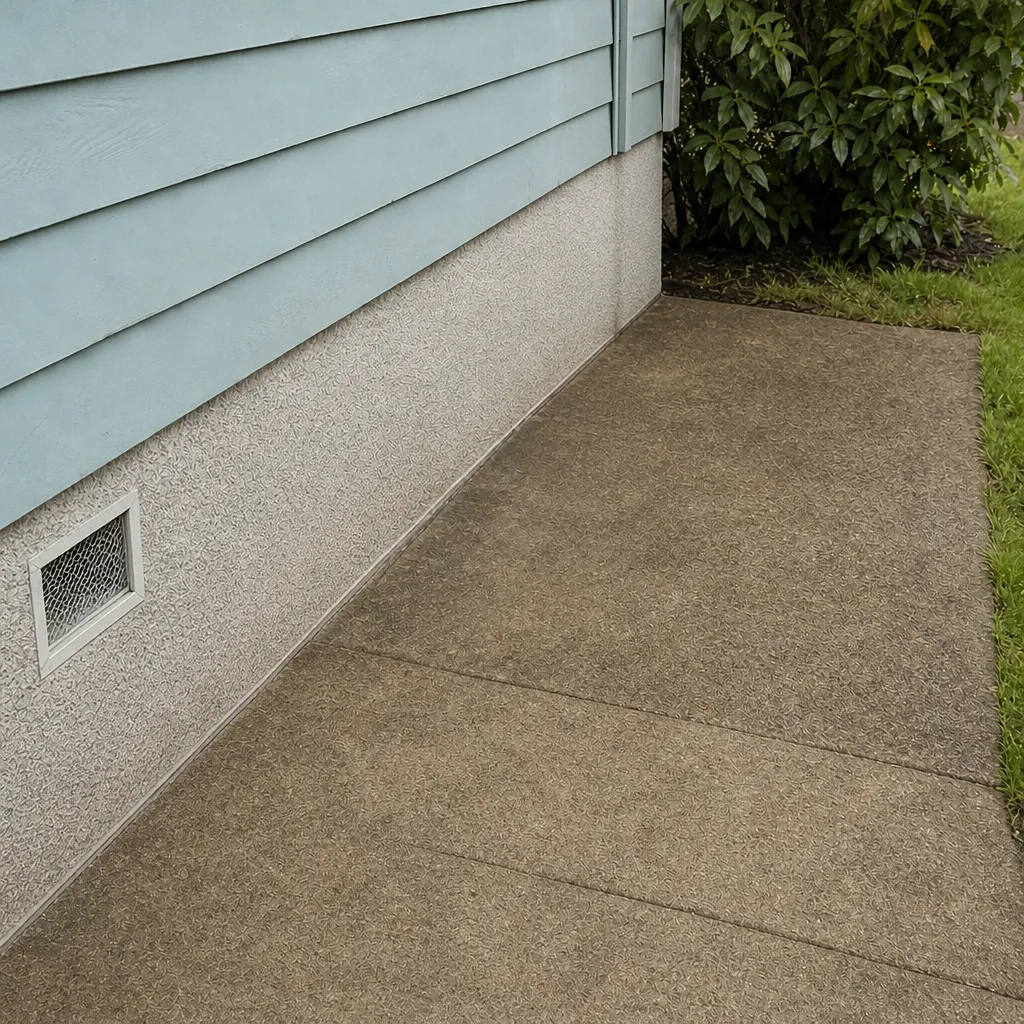
Whole-system duct and dryer vent check with before-and-after photos - you see exactly what came out of your vents
That "$99 whole-house special" is a bait ad - the real number appears once they are in your hallway, or the "clean" is a shop-vac at the register. We photograph the inside of your ducts before and after instead.
Air Duct Cleaning Emergency Preparedness Guide for Tacoma Homes
Most Tacoma homeowners think of duct contamination as a slow, gradual buildup of household dust. But the events that matter most for your duct system are not gradual at all. Wildfire smoke pushed Tacoma’s AQI above 200 in 2020, and residents ran their HVAC systems continuously to stay comfortable, loading duct interiors with fine particulate that filter changes alone never fully clear. The same is true of flood events in the low-lying parts of the Puyallup Valley. This guide explains what to do before, during, and after an air quality emergency, how to document it for insurance, and when cleaning is the right answer versus when it isn’t.
Quick Answer
When an air quality emergency hits Tacoma, the correct first step is not cleaning – it’s inspection. A professional assessment determines whether your ducts need standard cleaning, sanitizing, improved filtration, or in flood cases partial replacement. Pre-event, running your HVAC fan on low with a properly sized filter and sealing gaps at registers limits how much contamination gets in. Post-event, fine smoke particulate requires mechanical agitation and extraction (Rotobrush and Nikro equipment), not just a filter swap.
Styles & brands we work with
- Whole-home duct cleaning
- Dryer vent cleaning
- Camera inspection
- Sanitizing & deodorizing
Table of Contents
- Pre-Event Protocol: What HVAC Settings Actually Protect Your Ducts
- How Wildfire PM2.5 Behaves in Duct Systems
- The Correct Sequence After an Emergency Contamination Event
- Post-Flood Assessment in Tacoma’s Lower-Elevation Zones
- Documentation for Insurance Claims
- When Cleaning Isn’t Enough: Repair, Sealing, and Sanitizing
- Restoring Normal Operation and Long-Term Filtration
Pre-Event Protocol: What HVAC Settings Actually Protect Duct System Integrity During a Tacoma Smoke Event
A smoke event in Tacoma rarely arrives with a week’s notice. Wildfire smoke travels on regional wind patterns and can push air quality from good to hazardous within a day. The setup you choose in the first hours matters because it determines how much contamination enters the duct system. The goal is not to “pull smoke out” – it’s to slow its entry while keeping indoor air filtered.
Here’s what actually protects a duct system during a heavy smoke event:
- Run your HVAC on low, continuously. Moving air through a fresh filter is better than still air. Some homeowners turn the system off to “keep smoke out,” which leaves the filter unused and allows fine particulate to settle in the duct network anyway.
- Upgrade your filter temporarily. A higher MERV-rated filter captures more fine particulate. Match the filter to what your blower can handle without dropping airflow too much; a filter that chokes airflow can freeze a coil or overheat a blower.
- Seal obvious leaks. Gaps around registers, loose flex connections, and disconnected joints are the main entry points for smoke during an event. Tape or seal temporarily, then have them addressed permanently.
- Close windows and doors and rely on recirculation. Running fresh-air intakes during a smoke event works against you. Some centrally ducted systems allow you to close a fresh-air damper temporarily.
- Keep the system filter replaced, not just vacuumed. A filter that’s already loaded cannot do its job during an event.
The mistake we see most often in Tacoma homes is treating HVAC as an afterthought during a smoke event. The system is your largest filter media in the house, and if it’s set up wrong, you’re pushing fine particulate through every branch circuit of the duct network.
How Fine Particulate (PM2.5) from Wildfire Smoke Behaves Differently in Duct Systems Than Household Dust
Household dust is the size of a pinhead. Wildfire smoke particulate is roughly thirty times smaller or more. That difference in scale changes everything about how the material behaves inside a duct system, and it means a standard vacuum-and-go approach doesn’t fully clear it.
Here’s what we see when we inspect ducts after a major smoke event in Tacoma:
- It clings to surfaces electrostatically. PM2.5 particles carry a slight charge and stick to sheet metal, flex duct walls, and the blades of return-air registers. A quick suck-through vac misses most of it.
- It penetrates the filter in ways household dust does not. A filter that stops dust and pet hair will still let a portion of fine smoke particulate pass through, depositing downstream of the filter – inside the plenum, on the blower wheel, and in the supply branches.
- It settles where air moves slowest. That means the far end of supply runs, low spots in flex duct, and the base of returns. Those are exactly the spots homeowners never see.
- It doesn’t respond to liquid cleaners alone. Fine particulate needs mechanical agitation to break the film it forms on duct surfaces. That’s why our technicians work with rotating brush systems like Rotobrush and high-filtration extraction units like Nikro – the agitation physically frees the material so the vacuum can carry it out.
- It re-suspends easily. Without proper containment and negative pressure during the job, cleaning one section can push smoke particulate into the rest of the house. That’s a work-practice issue, not a filter issue.
Any company that offers to clean ducts after a wildfire smoke event should be able to explain how they agitate and extract fine particulate, not just how long the vacuum hose is. That single question filters out most of the wrong bids.
The Correct Sequence After Any Emergency Contamination Event
The default response after smoke, flooding, or a fire in the home is often “get the ducts cleaned.” That’s a reasonable instinct but the wrong first step. Cleaning before assessment is how people spend money on the wrong fix – sometimes on a system that needed repair, sealing, or replacement instead.
Here’s the sequence we recommend for any Tacoma home after an air quality emergency:
- Inspection first. A camera-based inspection of the main trunk, a sample of supply branches, the return plenum, and the air handler identifies where contamination has actually landed. It also flags moisture, disconnected sections, and compromised duct material.
- Scope determination. Once inspection is complete, the right answer is chosen: standard cleaning, cleaning plus repair and sealing, cleaning plus sanitizing, partial duct replacement, or a combination. The scope should be written down and reviewed with you before any work starts.
- Containment and mechanical cleaning. Rotobrush and Nikro equipment agitate the contaminated surfaces while a negative-pressure setup keeps debris from releasing back into the home. Duct runs, plenum, blower, and coil are addressed according to the scope.
- Sanitizing where indicated. Smoke residue and post-flood microbial growth often call for surface-level sanitizing. This is separate from cleaning and only makes sense once the debris has been physically removed.
- Repair and sealing. Gaps and disconnected joints that let contaminants in during the event are sealed so the cleaned system stays clean. Sealing also restores lost airflow and improves HVAC efficiency.
- Filtration setup. After cleaning, upgrading filtration to a higher-quality media filter – including Honeywell and Aprilaire solutions we install – keeps the improvement measurable for years.
This sequence is why our full scope matters. Cleaning alone solves part of the problem. Cleaning, sealing, sanitizing, and filter upgrade together solve the whole problem. We offer all five services – air duct cleaning, dryer vent cleaning, HVAC cleaning, duct repair and sealing, and air quality sanitizing – under one roof, which means one inspection can identify and address everything in one project. Read more about our air duct cleaning process for the standard visit walk-through.
Post-Flood Assessment for Homes in Tacoma’s Lower-Elevation Zones: When Duct Systems Require Replacement vs. Cleaning and Sanitizing
Wildfire smoke is the air quality emergency Tacoma homeowners talk about most, but the region’s real flood history – from the Puyallup River and its tributaries during heavy winter rain – hits homes in lower-elevation zones harder than most people realize. When water enters a crawlspace or a below-grade mechanical area, duct systems behave very differently than they do after a smoke event. And the handling is different too.
The decision between cleaning and replacement rests on a few factors:
- Material saturation. Rigid sheet metal ducting can usually be dried, cleaned, and sanitized if it’s treated quickly. Flex duct and duct board that have taken on water are far harder to save and often need replacement; the lining and internal surfaces trap moisture.
- Duration of wet exposure. Ducting that stayed wet for a few hours can often be saved. Ducting that stayed wet for days after standing water was pumped out is a different question. Microbial growth in an enclosed, dark, humid duct network is nearly certain after prolonged exposure.
- Insulation condition. Wet duct insulation loses most of its thermal value and continues to feed moisture to the duct wall. Lining and external insulation are generally replaced, even when the duct itself is saved.
- Equipment condition. If the air handler or coil took on water, that equipment needs separate assessment by an HVAC contractor before the system is run again.
- Sanitizing requirements. Post-flood ducting that is saved needs sanitizing with containment-grade equipment. Abatement Technologies air scrubbing and Guardsman-grade solutions are part of how we handle those jobs; the work is closer to remediation practice than to standard cleaning.
Tacoma neighborhoods near the tideflats and the lower Puyallup corridor see this more often than elevated areas of the city, and homes with below-grade mechanical rooms tend to face the decision more urgently. If your crawlspace or basement has taken on water, get the ducts inspected before you run the system again. Running a system with wet or contaminated ducting spreads moisture and microbial material through every supply register.
Documentation for Insurance Claims: What Photos and Professional Assessments Are Needed to Support an HVAC-Related Claim After a Declared Emergency
Insurance adjusters process HVAC and duct claims based on documentation, not on the homeowner’s description. If a smoke event or a flood triggers a claim, the difference between a fast approval and a drawn-out dispute is usually the quality of the file you submit. That file is assembled before, during, and after the work – not reconstructed afterward.
Here’s what to gather for an HVAC-related claim after a declared emergency in Tacoma:
- Photos before any cleaning. Wide shots of affected rooms, close shots of visible smoke staining or water lines, and photos inside accessible returns showing contamination on the filter, register, or duct wall.
- Date and duration documentation. Notes on when the event started, when you shut the system down or left it running, and when the affected area was dried. Duration matters for adjusters.
- A written professional inspection report. A scope of work from the cleaning contractor – not just a quote – that identifies what was affected, what’s being cleaned, what’s being replaced, and why. An adjuster needs the “why” as much as the “what.”
- Before-and-after photos taken by the contractor. We photograph inside ductwork before cleaning and after, so the file shows exactly what was removed and exactly what was left. That’s the same documentation the homeowner gets, and it’s the same documentation the insurer needs.
- Equipment and product receipts. Filters, sealants, sanitizing materials, and any replacement duct material should be listed line-by-line.
- Air quality readings if you have them. Indoor air quality monitors are inexpensive now, and reading logs from before, during, and after the event are useful supporting evidence.
One point to be clear on: we do not bill your insurer directly. We document the work and provide the file that supports your claim, and we can work with your insurer’s requirements. The rest of the process – filing, approval, and reimbursement – remains with you and your adjuster.
When Cleaning Isn’t Enough: Repair, Sealing, and Sanitizing
Cleaning restores a duct system to a baseline. It doesn’t fix the leak that let contamination in during the event, and it doesn’t address microbial growth on duct surfaces that have stayed damp. Repair, sealing, and sanitizing are the three steps that turn cleaning into a lasting result – and they’re the three steps most duct cleaners skip or outsource.
What each one does:
- Duct repair. Reconnects sections that were knocked loose during a flood or high-wind event, replaces compromised sections of flex, and repairs crushed or pinched runs that were adding airflow resistance even before the emergency.
- Duct sealing. Closes leaks at joints, boot-to-floor connections, and plenum seams. Sealing matters for air quality because every leak is a path in for contaminants. It matters for efficiency because every leak wastes conditioned air.
- Sanitizing. Uses Abatement Technologies air scrubbing equipment and Guardsman-grade cleaning solutions to reduce allergens, mold spores, and microbial material on duct surfaces. This step is applied after physical cleaning, not instead of it.
This is the point of our five-service scope: a single inspection can flag duct leakage, contamination, and equipment buildup together, and a single project can resolve all three. That combination is hard to arrange if you’re coordinating a separate cleaner, an HVAC tech, and a general contractor. Our scope covers the HVAC cleaning side as well, so the air handler and coil get the same attention as the ducts. We also handle dryer vent cleaning, which is worth bundling into any emergency response – dryer vent buildup is a leading cause of house fires, and the same fine particulate and lint issues that follow a smoke event affect dryer vents too.
Restoring Normal Operation and Long-Term Filtration After an Air Quality Emergency
Cleaning, repair, and sealing are the recovery. Filtration is the prevention. What you install after an emergency is what keeps the same emergency from loading your ducts the same way next time. That’s why we finish most emergency-response jobs with a filtration conversation, not just a cleaning invoice.
What we recommend after any significant Tacoma air quality event:
- Step up filter rating with the blower in mind. Higher MERV filtration captures more fine particulate. It has to match your blower’s capacity. Honeywell and Aprilaire media cabinets are designed to give higher filtration without choking airflow the way a thick, high-resistance filter in a standard slot can.
- Add dedicated filtration if your household has allergy or asthma members. Homes where someone in the household deals with allergies or asthma often benefit from an inline or cabinet-mounted media filter as a permanent upgrade.
- Keep a spare filter on hand before smoke season. Tacoma’s smoke events tend to arrive in late summer and early fall. Having a fresh filter ready means you don’t run a loaded filter during the worst days.
- Re-inspect after the smoke clears. A camera-based inspection after an event verifies the cleaning worked and catches any spots that settled after cleaning was finished – especially in a large network.
- Consider duct sealing if the system was never sealed. Homes built with unsealed joints and boots are far more vulnerable to smoke intrusion. Sealing makes every future event less impactful.
If your Tacoma home has been through more than one smoke season or a flood event without a duct inspection, the recovery you think happened may only be partial. Start with a proper inspection and let the findings drive the scope. That’s the durable answer.
Common Mistakes to Avoid
- Turning the HVAC off entirely during a smoke event. Still air lets fine particulate settle inside the duct network without any filtration. Keep the system running on low with a fresh filter instead.
- Calling for cleaning before inspection. Cleaning a duct system that has a disconnected joint or a wet section doesn’t fix the problem – it can make it worse by spreading contamination. Inspection determines scope.
- Assuming a filter change solved the smoke problem. Filters catch a lot but not all fine smoke particulate. Duct surfaces downstream of the filter still need mechanical cleaning after a heavy event.
- Running the system with wet ducting after a flood. This is the most consequential mistake in Tacoma’s lower-elevation zones. Get the system inspected before you turn it back on. Wet ducting that stays wet feeds microbial growth into every room.
- Accepting a cleaning quote that skips sealing. If your ducts leak, they’ll re-contaminate faster than they were cleaned. Sealing is part of the job, not an extra.
- Not photographing before the work starts. Insurance adjusters need evidence from before cleaning. Ask the contractor to photograph the inside of ducts before and after, and keep a copy of both.
- Hiring on price alone after an emergency. A low bid with no containment, no camera inspection, and no after-photos is not doing the same job. Ask what equipment is used – if the answer is a shop vac and a hose, that’s not a duct cleaning.
See the difference
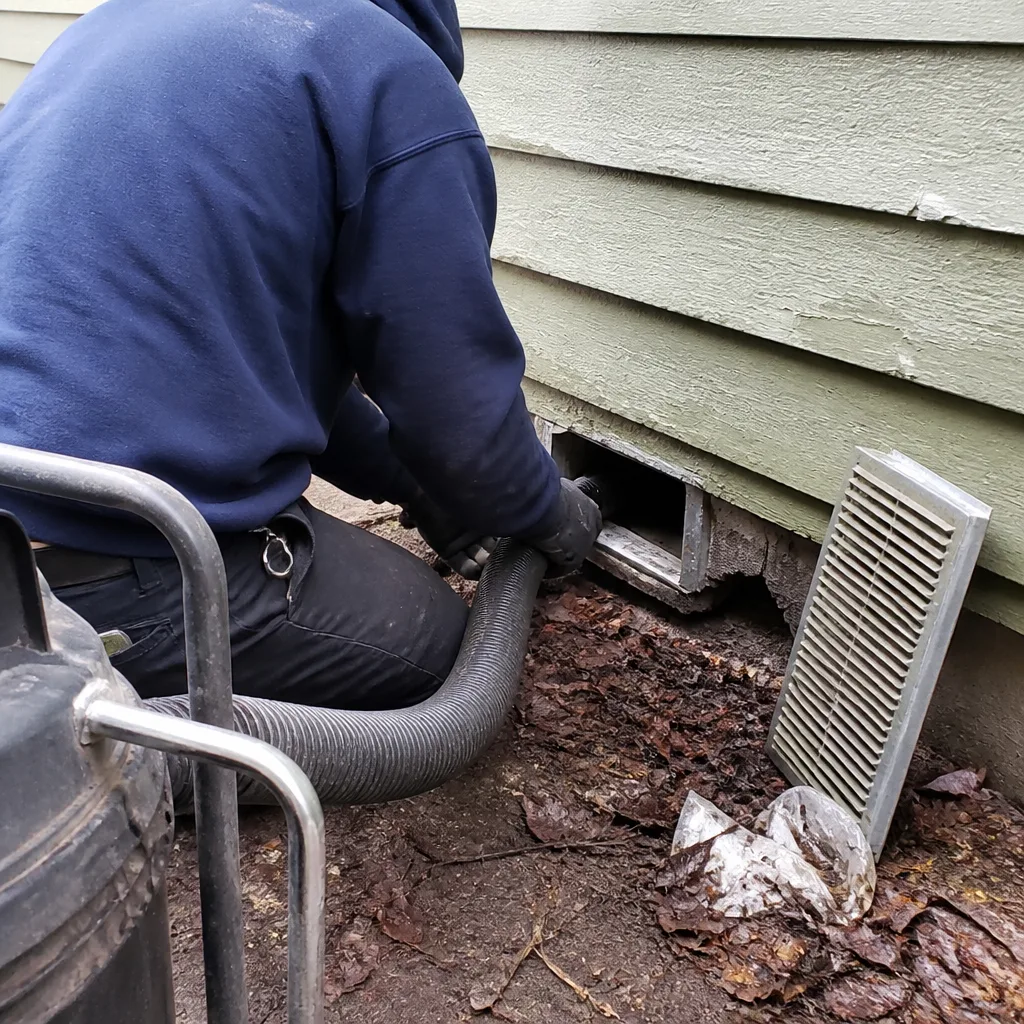 Before
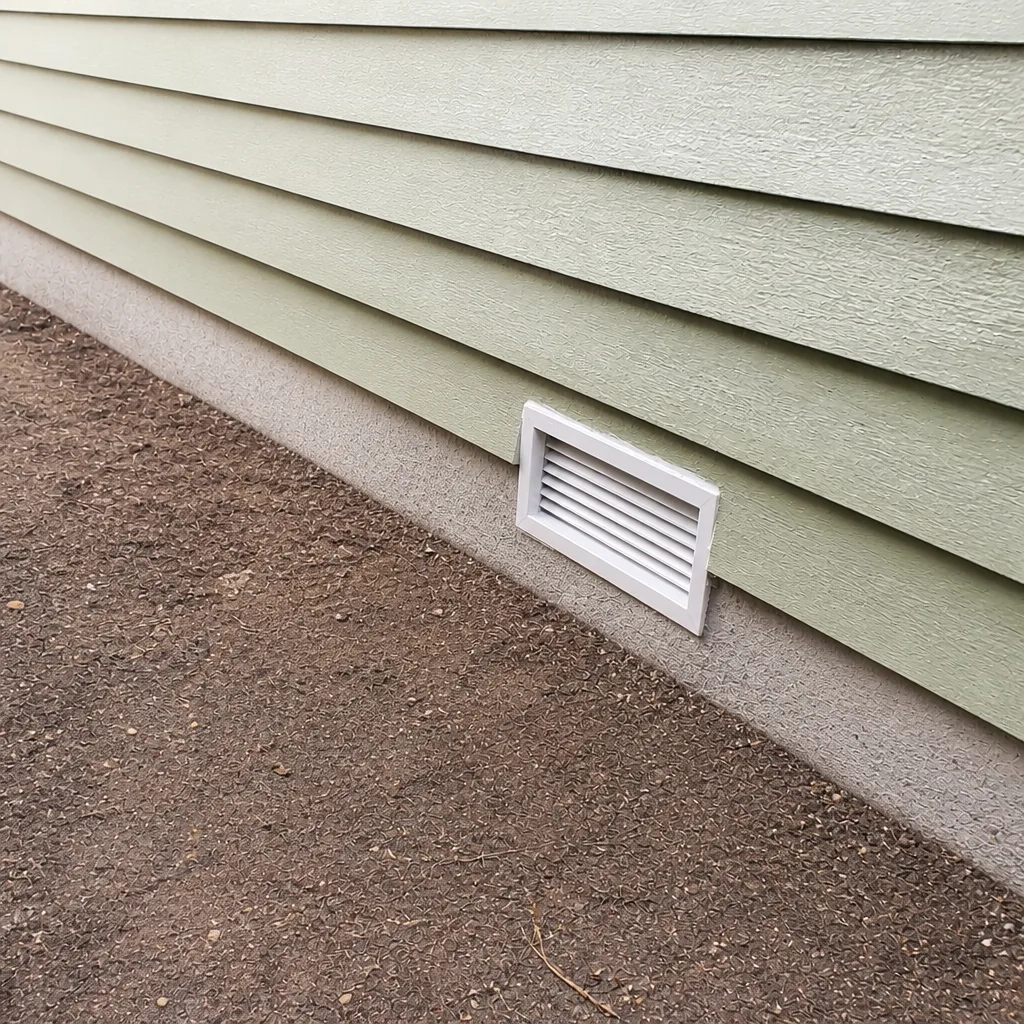 After
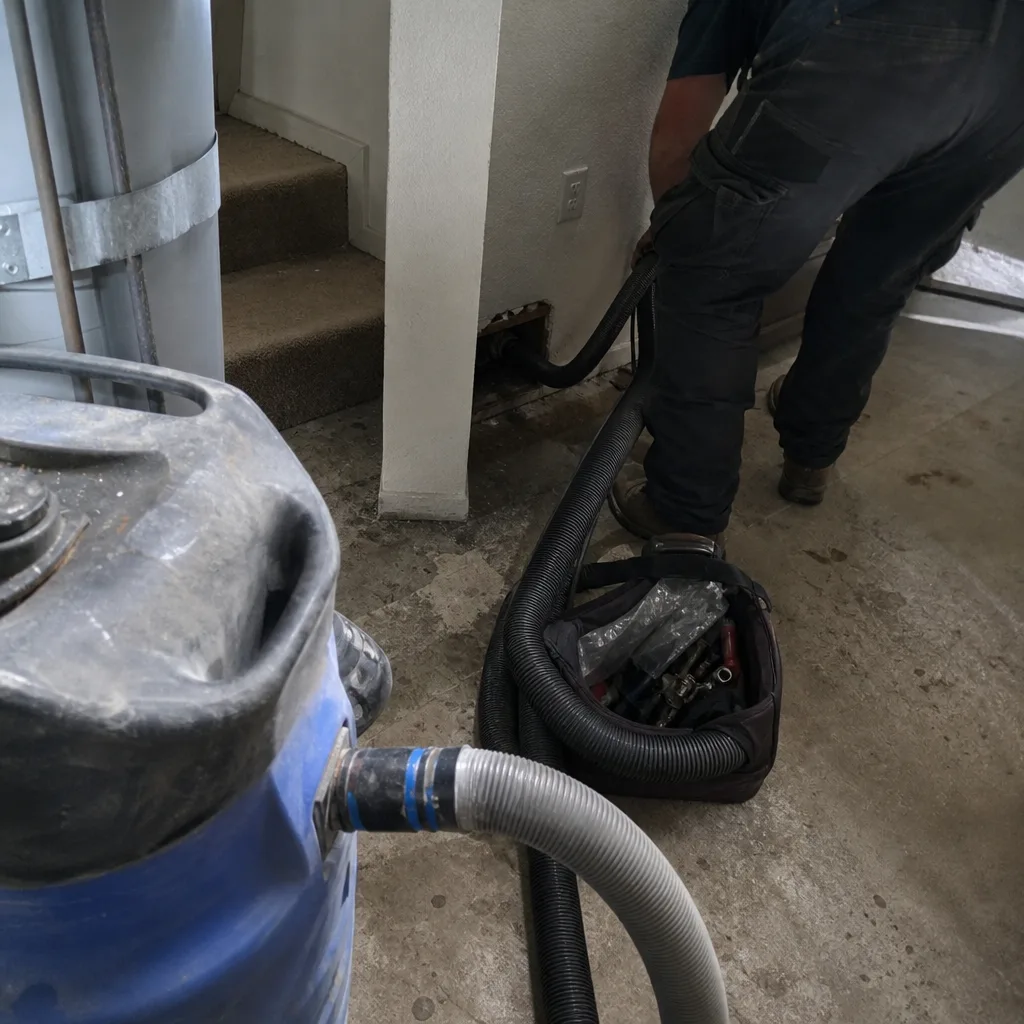 Before
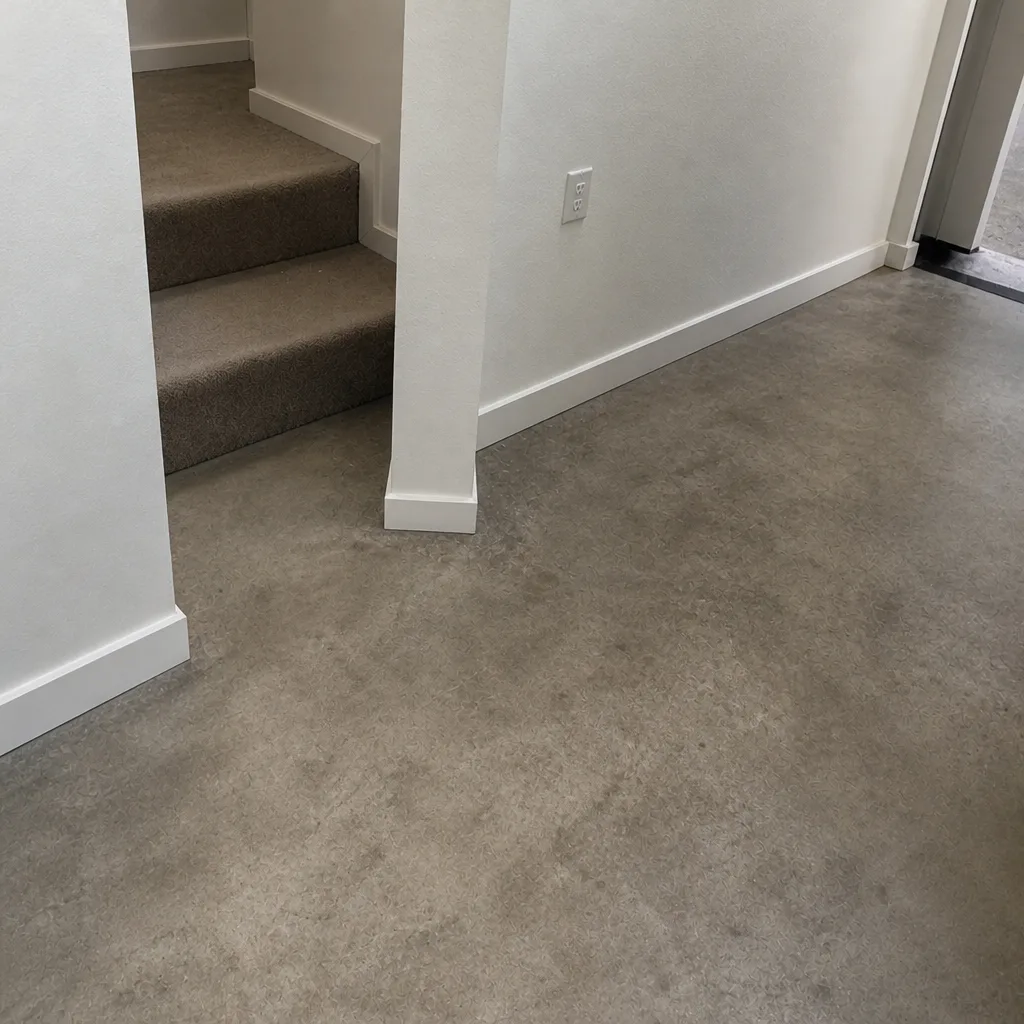 After
 Before
 After
When to Call a Professional
Call a professional duct service in Tacoma after any of these:
- You ran the HVAC system through a major smoke event and haven’t had the ducts inspected since.
- Your crawlspace or basement flooded and the duct system was in the affected area.
- You had a house fire, and the HVAC system ran at any point during or after the fire.
- You notice persistent odors from registers, visible dust on supply vents within days of cleaning, or uneven airflow between rooms.
- You’re filing an insurance claim and need a written inspection scope and before-and-after photos.
Our technicians have up to 9 years of experience, and we use Rotobrush and Nikro equipment plus Abatement Technologies sanitizing systems. Tacoma Air Duct Cleaning Pros offers free estimates in Tacoma – call (877) 865-3172. We answer 24/7. Fast dispatch from 7am to 7pm, Sunday through Friday.
Frequently Asked Questions
Yes, in most cases it does. Fine smoke particulate penetrates standard filters and settles on duct surfaces where a filter change won’t reach. A professional inspection confirms how much contamination settled and where before any cleaning starts. Call (877) 865-3172 for a free estimate – inspection comes first.
Immediately, before you run the HVAC system again. Moisture inside ducting that stays wet for days is a much bigger problem than moisture that’s identified and cleaned up early. Get the inspection before restarting the system. Call (877) 865-3172 for a free estimate – we can walk through what the inspection covers.
A new filter helps but does not remove fine particulate already deposited in the duct network. Filters catch what passes through them going forward; cleaning addresses what has already landed on duct surfaces. Most Tacoma homes need both after a significant smoke event. Call (877) 865-3172 for a free estimate.
Mechanical agitation and high-filtration extraction, both under negative pressure. In our case, that’s Rotobrush and Nikro systems doing the work, with Abatement Technologies air scrubbing for any sanitizing phase. A truck-mounted vacuum hose alone is not the same job. Ask the question before you hire. Call (877) 865-3172 for a free estimate.
It depends on your policy and how the event is classified, so ask your adjuster directly. What we do is document the work carefully – photos inside ductwork before and after, a written scope of what was cleaned or replaced and why – so the file you submit is complete. We can work with your insurer’s requirements. Call (877) 865-3172 for a free estimate.
Sanitizing reduces microbial material and allergens on duct surfaces after the debris has been physically removed. It is not a mold remediation service, and it does not replace cleaning or address structural moisture problems. If a flood has caused significant mold growth, a dedicated remediation contractor handles that scope. Call (877) 865-3172 for a free estimate and start with the inspection.
The Bottom Line
Tacoma’s air quality emergencies – heavy wildfire smoke events and flood water in the lower Puyallup corridor – leave a specific footprint inside duct systems that general cleaning guidance doesn’t address. Fine particulate needs mechanical agitation and extraction, not just a filter change. Flood-affected ducting needs replacement or drying assessment before the system is restarted. Insurance claims need before-photos, a written scope, and after-photos to be approved. The safe sequence is always inspection first, then scope, then cleaning, sanitizing, sealing, and filtration upgrade. Take care of that sequence in the right order and your home’s air stays measurably cleaner through the next emergency. If you’re not sure where your Tacoma home stands after an event, start with a proper inspection. Explore our Tacoma Air Duct Cleaning Pros services to see what each phase of the response looks like.
Written by the team at Tacoma Air Duct Cleaning Pros.