
Last updated November 23, 2026
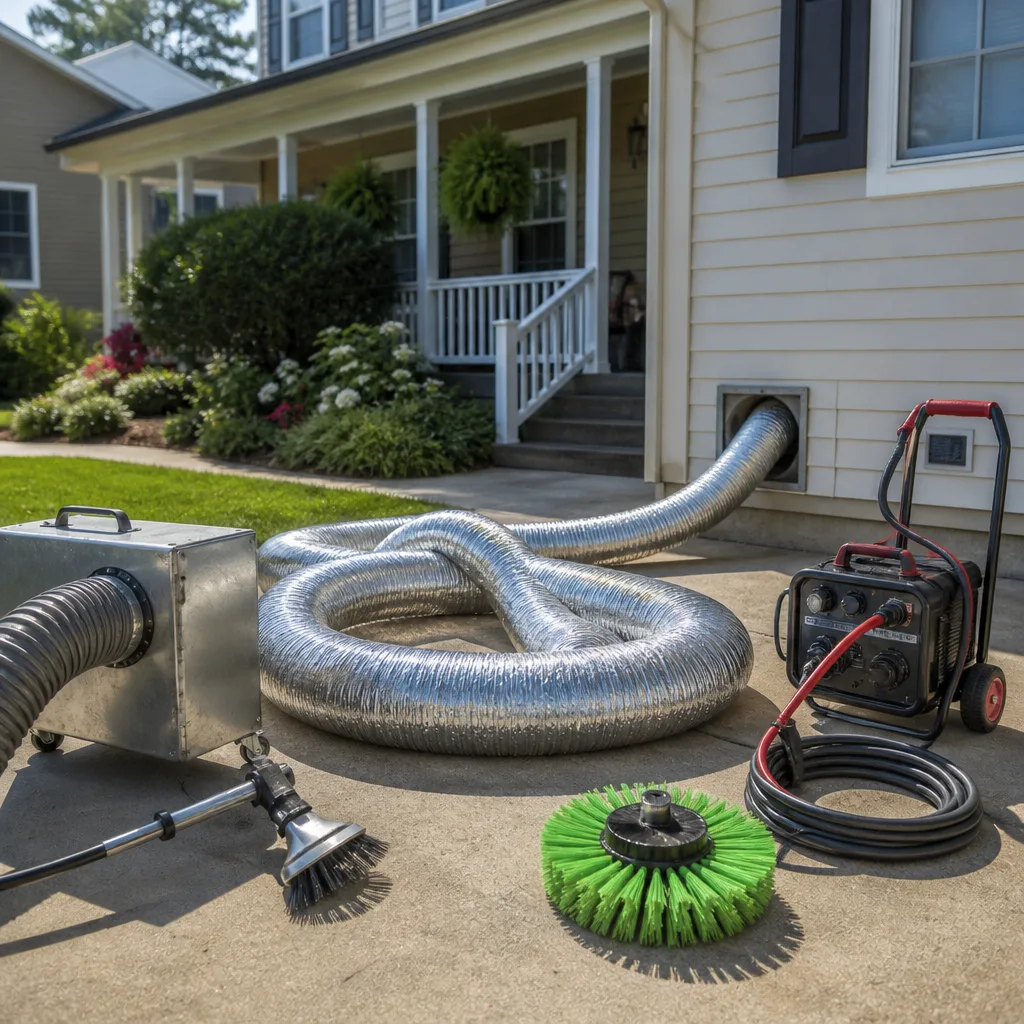 Whole-home duct cleaning
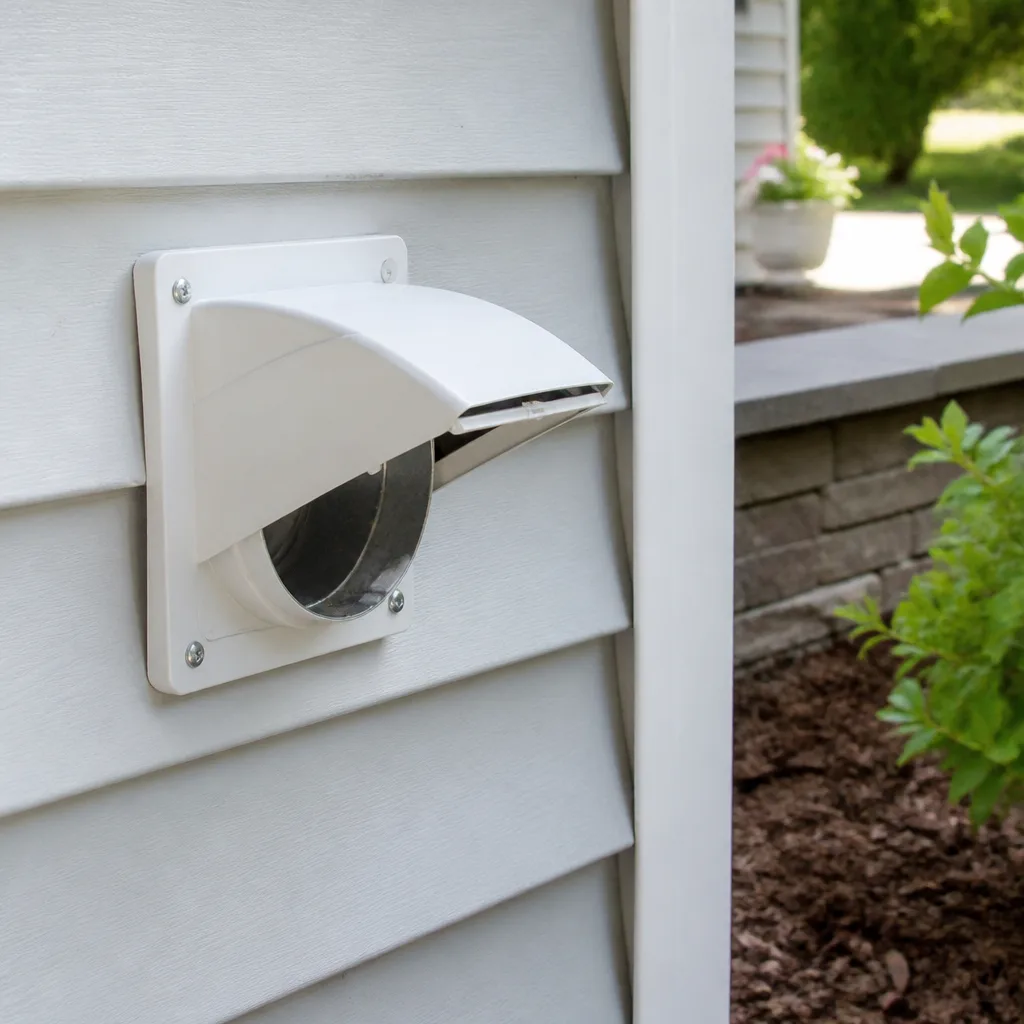 Dryer vent cleaning
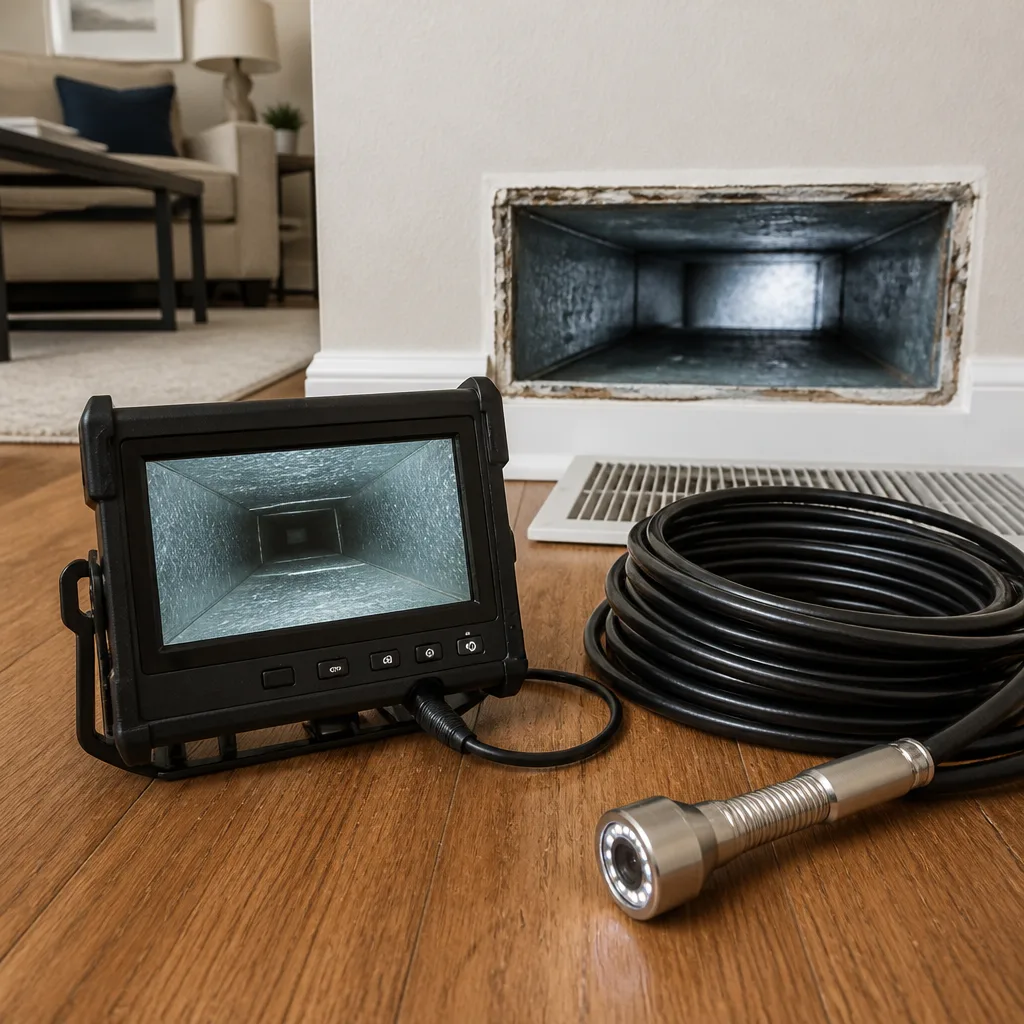 Camera inspection
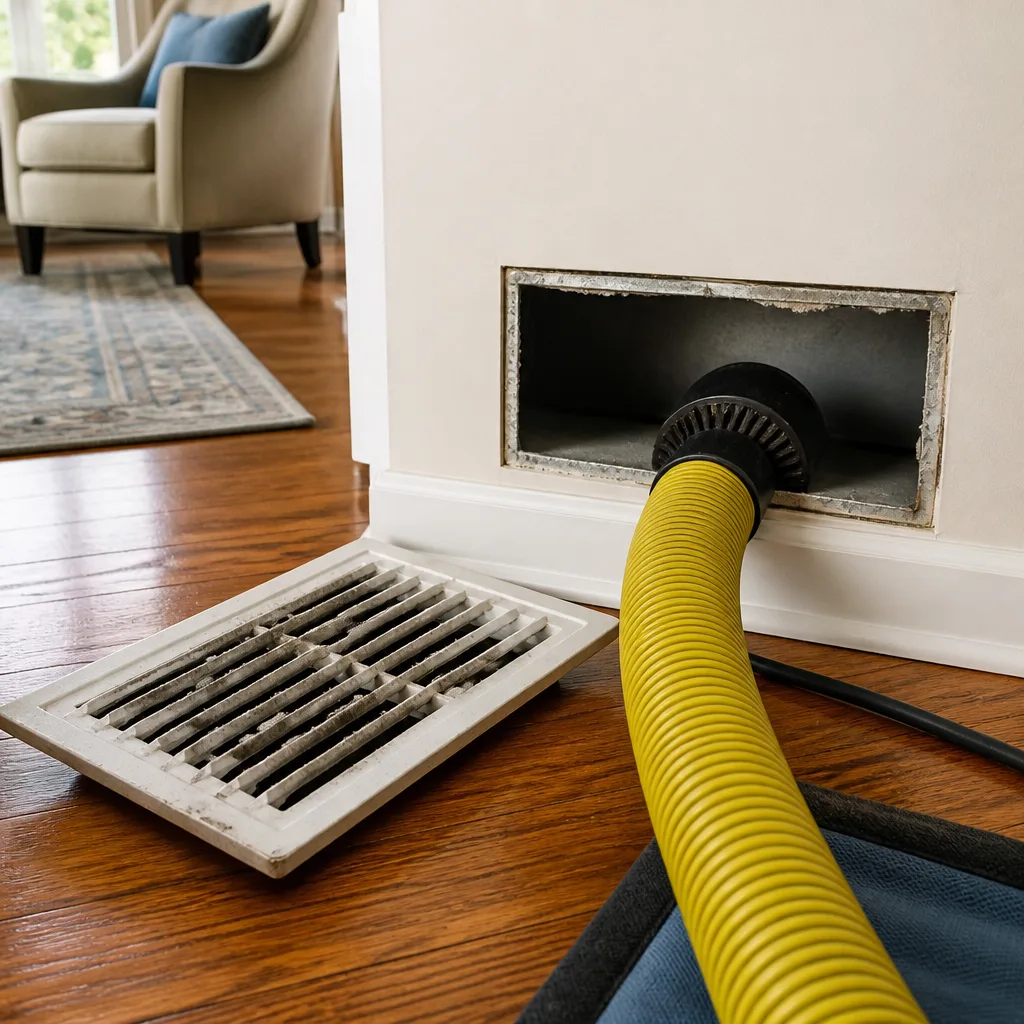 Sanitizing & deodorizing
Whole-system duct and dryer vent check with before-and-after photos - you see exactly what came out of your vents
That "$99 whole-house special" is a bait ad - the real number appears once they are in your hallway, or the "clean" is a shop-vac at the register. We photograph the inside of your ducts before and after instead.
Air Duct Cleaning Maintenance Checklist for Tacoma Homeowners
A checklist that says “clean your ducts every three to five years” isn’t a checklist. It’s a guess. That interval can be off by years in either direction depending on whether your Tacoma home still has original 1960s sheet metal runs, was retrofitted with flex duct, or has a fiberglass-lined trunk that traps debris differently than bare metal ever will. Three houses on the same block can need three different schedules, and the calendar won’t tell you which is which. What follows is a working document: baseline readings you log after a professional clean, filter behavior you track at 30 days, and Tacoma-specific triggers that reset the clock. You’ll learn what to inspect yourself, what needs a camera, and how to keep records that hold up at resale.
Quick Answer
A duct maintenance checklist for a Tacoma home should track four things: how fast your filter loads at 30 days, visible debris at the registers, seasonal events that push debris into the system (cedar pollen, wildfire smoke, renovation dust), and a documented baseline from your last professional clean. Most homes land on a 3-5 year professional interval, but filter loading speed and event triggers override the calendar. Log everything, because “it was cleaned recently” means nothing at resale without dates and photos.
Styles & brands we work with
- Whole-home duct cleaning
- Dryer vent cleaning
- Camera inspection
- Sanitizing & deodorizing
Table of Contents
- Why the Baseline Log Matters More Than the Calendar
- Your Filter at 30 Days: The Leading Indicator
- Tacoma-Specific Triggers: Cedar, Smoke, and Renovation Dust
- What You Can Check Safely vs. What Needs a Camera
- How Tacoma Housing Stock Changes Your Schedule
- The Dryer Vent Line Item Most Checklists Miss
- Documenting Duct Condition for Resale and Rentals
- Building Your Seasonal Walk-Through
Why the Baseline Log Matters More Than the Calendar
Debris accumulates at different rates in every system, so the only meaningful comparison is a home compared against itself. A professional air duct cleaning gives you a fixed starting point. What you do in the week after that clean determines whether you’ll ever be able to tell if things are getting worse.
Right after the work is done, before anyone runs the furnace or kicks on the AC, walk the house and record the following:
- Photograph every supply register and return grille, close up, with your phone. Note the date in the filename, not just in your head.
- Write down how many registers and returns you have, and which rooms each serves. This becomes your map.
- Note the filter size, the MERV rating you’re using, and the date you installed it.
- Record the equipment model numbers on the furnace and air handler. Older equipment behaves differently under a dirty coil, and the model tells a technician what they’re dealing with before arrival.
- Take one photo of the visible interior of the main return drop if you can reach it safely with a flashlight from outside the grille. Don’t remove panels.
- Log the outdoor conditions that week: pollen counts, smoke, recent wind. Context explains the next reading.
Keep this in a folder, physical or digital, labeled by year. It takes 20 minutes and it’s the single most useful thing you’ll do for your system’s long-term care. When a technician arrives in two years, you can hand them a record instead of a vague memory. In our experience, homeowners with a baseline log catch duct leakage and coil buildup earlier because they can point to a change, not a feeling.
Your Filter at 30 Days: The Leading Indicator
What your filter looks like 30 days after a change tells you more about your duct system than any calendar ever will. A filter that’s fully loaded in a month means the system is moving a volume of airborne debris that the ducts are likely holding, or the system is pulling air from an untreated space. A filter that’s lightly dusty at 90 days suggests everything downstream is doing its job. Read the filter like a gauge, not a chore.
Here’s how to use it:
- Baseline month: Install a new filter and photograph it on day one. Circle the date on the frame with a pencil.
- Day 30: Pull it, photograph it next to the dated frame, and rate it: light (less than a third loaded), moderate (a third to two thirds), heavy (nearly full).
- Compare, don’t guess: A Tacoma home with pets and a nearby construction site will load faster than a two-person household with hard floors. The absolute darkness of the filter matters less than whether it’s loading faster than it did the previous cycle.
- Track the trend: If a home went from “light at 30 days” to “heavy at 30 days” over two cycles with no change in occupants, something changed in the system or the envelope. That’s a signal to get a professional look.
- Match the filter to the system: Higher MERV isn’t automatically better. A filter that restricts airflow can stress older Tacoma equipment and push dust past seals. Work with a technician to pick a rating your blower can handle.
Filter loading speed also tells you when a duct cleaning is actually due. A homeowner who cleans ducts on a strict calendar will either over-clean or under-clean. A homeowner who watches the 30-day filter trend knows which. After cleaning, many homes pair the service with a fresh Honeywell or Aprilaire filtration setup so the next reading is cleaner by design, not by accident.
Tacoma-Specific Triggers: Cedar, Smoke, and Renovation Dust
Tacoma sits in a basin with prevailing winds off Puget Sound and long stretches of dry summer weather, and that combination has real consequences for duct schedules. Three local triggers override the calendar and should be logged the same way you’d log an oil change.
Cedar and other pollen seasons
Western red cedar and the broader conifer mix release pollen in late winter and spring, and the particles are small enough to ride through a standard filter. If you keep windows open during pollen season, expect your filter to load faster and your return grille screens to collect a visible layer. Log pollen season starts on your calendar and check registers at the end of it.
Wildfire smoke from Eastern Washington
Smoke events that push over the Cascades from Eastern Washington send fine ash and particulate into homes that run windows or have a leaky envelope. Ash isn’t just atmospheric haze; it settles in duct runs and on the cooling coil, where it combines with moisture to form a sticky layer that’s harder to remove than ordinary dust. After a significant smoke event, check the filter at two weeks rather than 30 days. If the house was running windows shut and using the HVAC to filter the air, log that too, because the system did extra work.
Post-renovation debris
Drywall dust, sanding residue broad, and construction debris are the most common contaminants we find in ducts that otherwise looked clean. Any renovation that opens walls, removes flooring, or involves heavy sanding should be followed by a register and return inspection and, in most cases, a professional cleaning once the dust settles. Log the dates of any major work done on the house, because that’s a trigger as reliable as any calendar interval.
What You Can Check Safely vs. What Needs a Camera
You can inspect a surprising amount of your own duct system without tools or risk. You can’t see inside a properly sealed run, and pushing a phone or a mirror into a duct can dislodge debris or damage a joint. Draw the line clearly.
Safe for homeowners:
- Remove and wash supply register grilles (most are held by two screws) and photograph the opening with a flashlight.
- Vacuum the grille and the visible edge of the opening with a brush attachment. Don’t reach inside.
- Open the filter housing on the furnace and inspect the filter and the visible interior of the return plenum.
- Look at supply and return registers for streaks, dust trails, or rust, all of which suggest moisture or air leakage.
- Check that every room has both a supply and a return (or a clearly designed path for return air). Missing returns are common in older Tacoma remodels and cause pressure problems.
- Feel for air coming from each register while the fan runs. Even airflow across registers is a good sign; one weak register suggests a leak or a disconnected run.
Needs a professional:
- Any inspection inside a horizontal run, a trunk line, or an attic or crawlspace duct.
- Video camera inspection of duct interiors. This is how a technician confirms what’s actually on the duct walls versus what’s just near the register.
- Pressure testing and leakage measurement, which requires equipment and a baseline reading.
- Any work inside the air handler cabinet or the cooling coil area. Electrical components and refrigerant lines live there, and homeowner access is a real hazard.
- Anything involving the furnace’s combustion venting or gas lines. That’s not a homeowner inspection, ever.
If your own checks turn up a problem, stop and call. We use Rotobrush and Nikro systems, and the difference from cheap equipment is that the camera and vacuum can verify the inside of a run before and after work, so you’re not taking anyone’s word for what was removed.
How Tacoma Housing Stock Changes Your Schedule
Tacoma’s housing is a patchwork, and the material of your ductwork changes the math on cleaning frequency. The city has a deep inventory of mid-century homes, plenty of older Craftsman and bungalow stock, and newer builds scattered throughout neighborhoods like Proctor, Stadium, North End, and the South Tacoma corridor. Each vintage brings its own duct behavior.
- Original 1960s sheet metal ductwork: Durable and cleanable, but the joints and seams are the weak point. Small gaps let in attic or crawlspace air, so dust comes in from outside the living space. Cleaning removes what’s there; sealing the joints keeps it from coming back. This is why duct repair and sealing is part of a complete service, not an upsell.
- Flex duct from later retrofits: The corrugations trap debris and the plastic liner can sag or tear. Flex is easy to run and hard to clean well. Sagging sections reduce airflow and create low spots where dust settles. A technician should inspect for damaged runs during cleaning.
- Fiberglass-lined trunk and plenum: The lining insulates and quiets the system, but its surface is rougher than metal and it can break down over time. Cleaning requires gentler equipment and a careful assessment of whether the lining is still intact. If it isn’t, that’s a repair conversation, not just a cleaning one.
- Homes with crawlspace or attic ducts: Damp, unconditioned space is where leaks cause the most trouble. Tacoma’s wet winters mean a duct run that leaks in a crawlspace pulls moist air and dust into the living space. Sealing matters more here than cleaning frequency.
Pair the housing material with the filter trend and the trigger log, and you have a schedule that’s specific to the house instead of a national average. A 1950s bungalow with metal ducts and a tight envelope can go longer than a 1990s home with flex runs through a vented crawlspace.
The Dryer Vent Line Item Most Checklists Miss
Air duct maintenance checklists tend to forget the dryer vent, even though it’s the single most important vent in the house for fire risk. Lint accumulates in the vent run, and when it’s restricted, the dryer works harder, runs longer, and can overheat. Dryer vent buildup is a leading cause of house fires, and it’s a service many duct cleaners skip or outsource. Our dryer vent cleaning covers it as part of the same visit.
Add these to your checklist:
- Check the outdoor vent flap after every few loads. If it’s not opening cleanly or lint is visible outside, the run is restricted.
- Feel the dryer body or ductwork during a cycle. A hot exterior surface or a very long dry time is a warning sign.
- Clean the lint screen every load, and the screen housing with a brush monthly.
- If the vent run is long or has several bends, have it cleaned professionally at a set interval rather than waiting for a symptom.
- Never vent a dryer into an attic, crawlspace, or garage. That’s code-violating and a serious fire hazard.
Dryer vent cleaning is one of the five services we provide, alongside air duct cleaning, HVAC cleaning, duct repair and sealing, and air quality sanitizing. Grouping them means one inspection can catch a dryer vent problem, a leaking duct, and a dirty coil in a single visit.
Documenting Duct Condition for Resale and Rentals
“Recently cleaned” is what every home seller says, and buyers know it. What a buyer or a building inspector wants is a record: dates, photos, equipment used, and any repairs performed. If you’re renting out a property, that record is also your defense against compliance disputes over indoor air quality.
Keep a duct system file with the following:
- Dates of every professional cleaning and inspection, with the equipment used noted.
- Before-and-after photos of the duct interiors, registers, and any repaired joints.
- Any duct repair and sealing work, with photos and a description of what was sealed.
- Filter change log with the size, rating, and dates.
- Model numbers and service dates for the furnace and air handler.
- Dryer vent cleaning dates and any vent repair.
- Air quality work, including any sanitizing with Guardsman-grade solutions or installation of Honeywell and Aprilaire products. Note the brand and model so the next owner can keep the components maintained.
Photos of a documented baseline and a dated after-clean set are far more persuasive at resale than a receipt, because they show condition, not just that work happened. Landlords should keep duplicates in the property file. This is especially useful in older Tacoma rentals where tenants may have changed the filter inconsistently or not at all between turnover periods.
Building Your Seasonal Walk-Through
The checklist works when it’s small enough to actually do. A 30-minute walk-through four times a year, timed to Tacoma’s seasons, keeps the log current and catches problems before they’re expensive.
Late winter (February): Check the filter and log the day-30 load. Look for condensation or frost on ductwork in the attic or crawlspace, which points to leaks or missing insulation. Note the start of cedar pollen.
Spring (April-May): Walk the registers with a flashlight. Photograph any visible debris. Check dryer vent flap. If you kept windows open through pollen season, expect a heavier filter and a dustier return.
Summer (July-August): Watch for wildfire smoke events. After each significant event, check the filter at two weeks rather than 30 days and log the event. Note any change in the AC’s performance during heat waves; a coil buried in dust shows up as slower cooling.
Fall (October-November): Before the heating season, do a full register log, replace the filter, and check the dryer vent. This is the smart time to schedule a professional inspection and any duct repair and sealing if the year’s log showed faster filter loading or uneven airflow. If a home has any planned renovation, schedule the post-renovation inspection after the work is done.
Our technicians have up to 9 years of experience reading exactly these signals, and we can walk you through a log over the phone before scheduling. The goal is a schedule based on your house, not a general rule.
Common Mistakes to Avoid
- Cleaning on a calendar instead of a signal. A five-year interval is fine for a tightly sealed home with clean ducts, and much too long for a home with a leaking crawlspace run. Watch the filter and register readings instead.
- Forgetting the dryer vent until it starts a fire. The dryer vent is the highest-risk vent in the house and the most commonly skipped in maintenance checklists. Add it to the schedule.
- Using a higher MERV filter than the system can handle. A restrictive filter can starve airflow and push dust past seals. Match the filter to the blower and check for pressure drop with a technician.
- Skipping the duct sealing step. Cleaning removes what’s there. In older Tacoma housing, unsealed joints in attic and crawlspace runs let dust back in immediately. Without sealing, the next cleaning arrives years early.
- Believing “we cleaned it” without photos. Ask for before-and-after photos of the duct interiors. A legitimate service can show them, and a cheap one often can’t.
- Assuming a cheap coupon covers the whole system. A “per-vent” price rarely includes the trunk line, the coil, or the dryer vent. Ask what the estimate covers before the technician arrives.
- Forgetting to log renovation work. Drywall dust and sanding residue are the single most common reason a house that looks clean has full ducts. Log construction dates as triggers.
See the difference
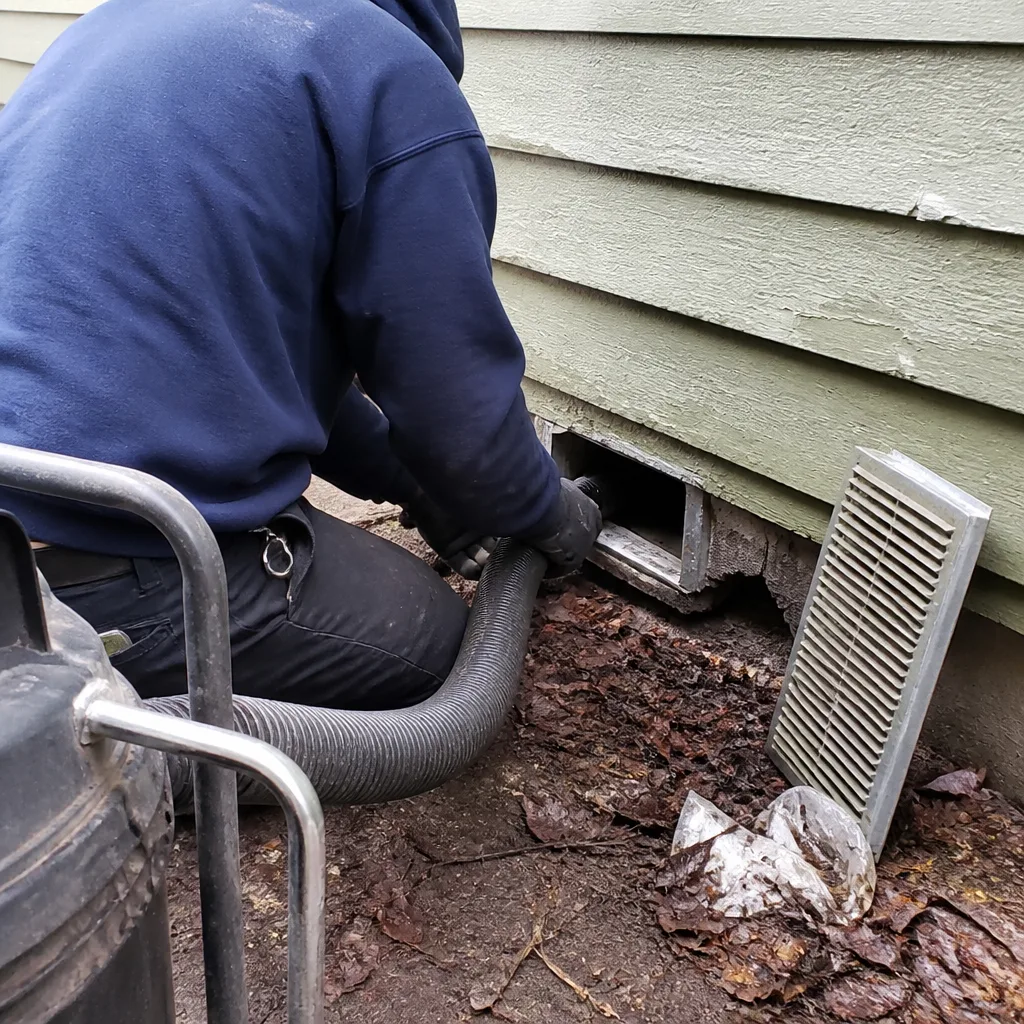 Before
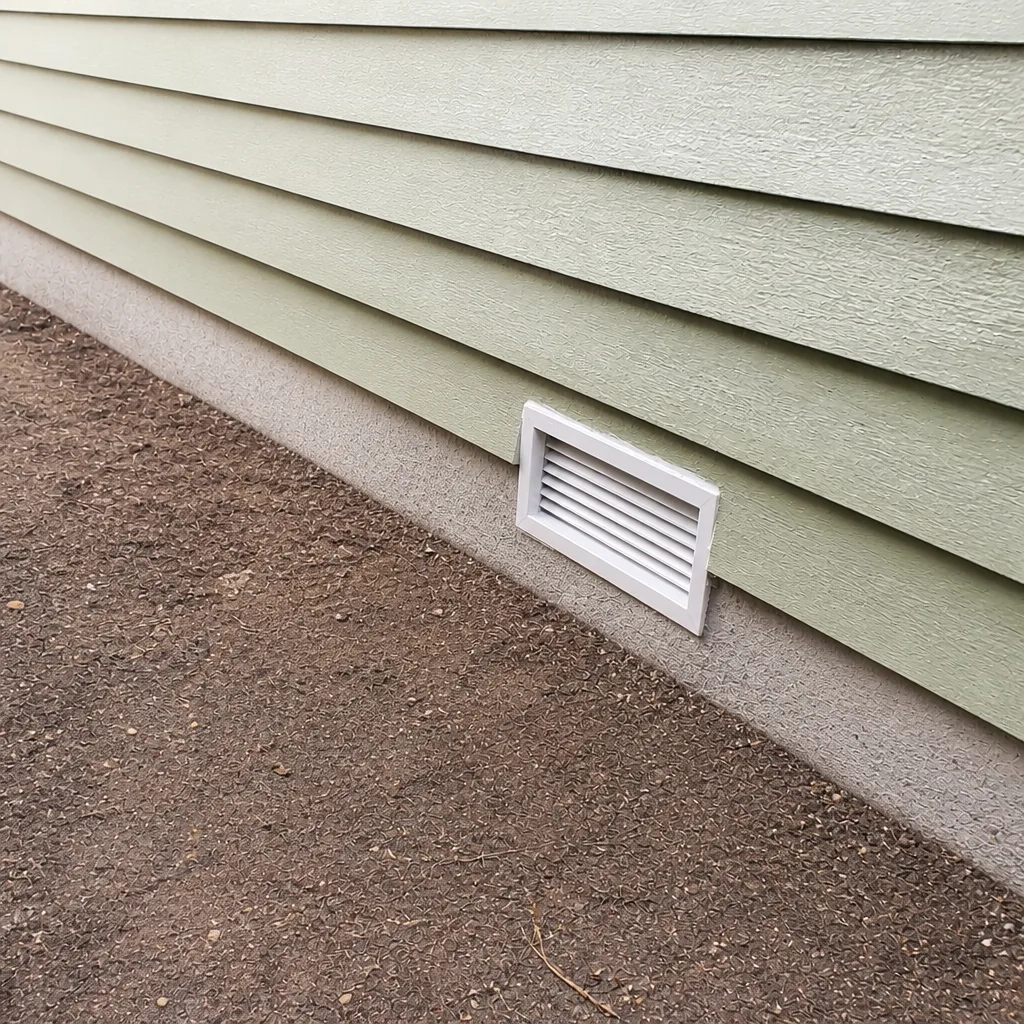 After
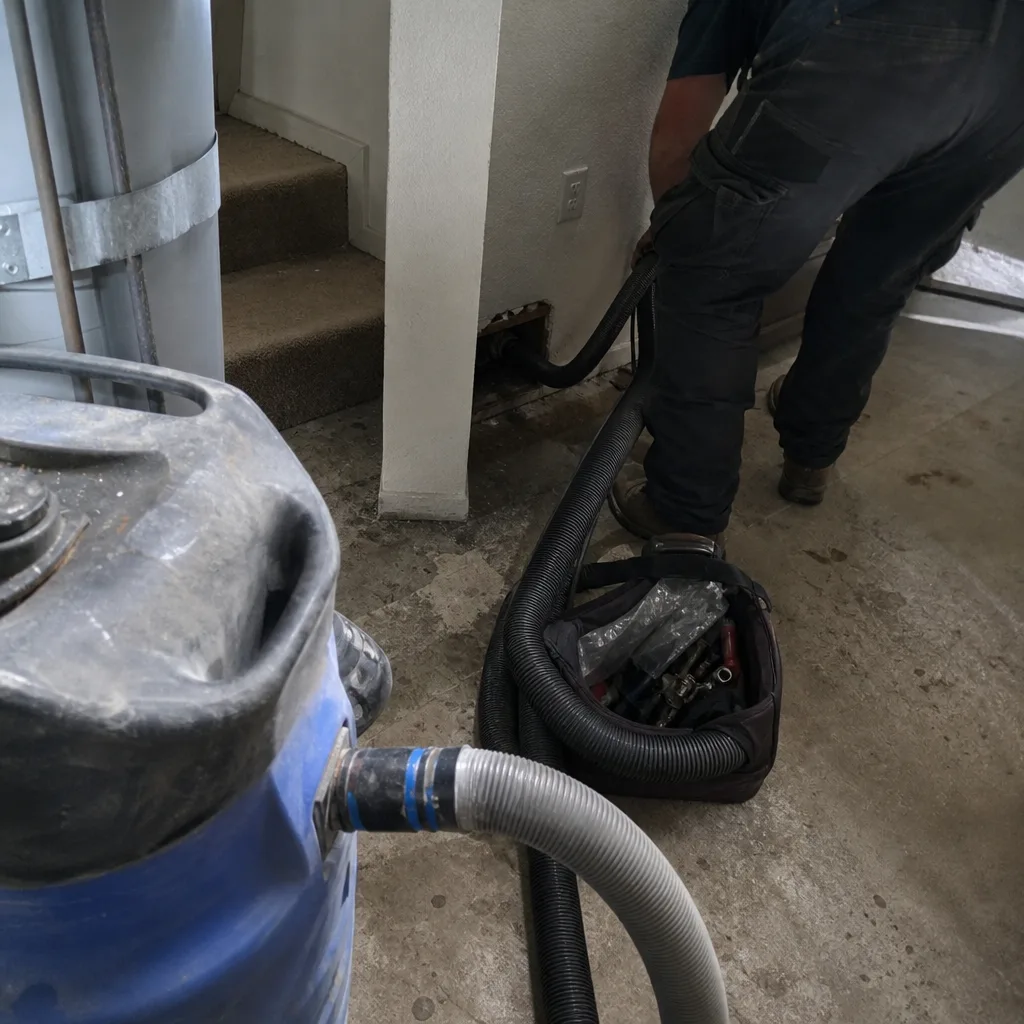 Before
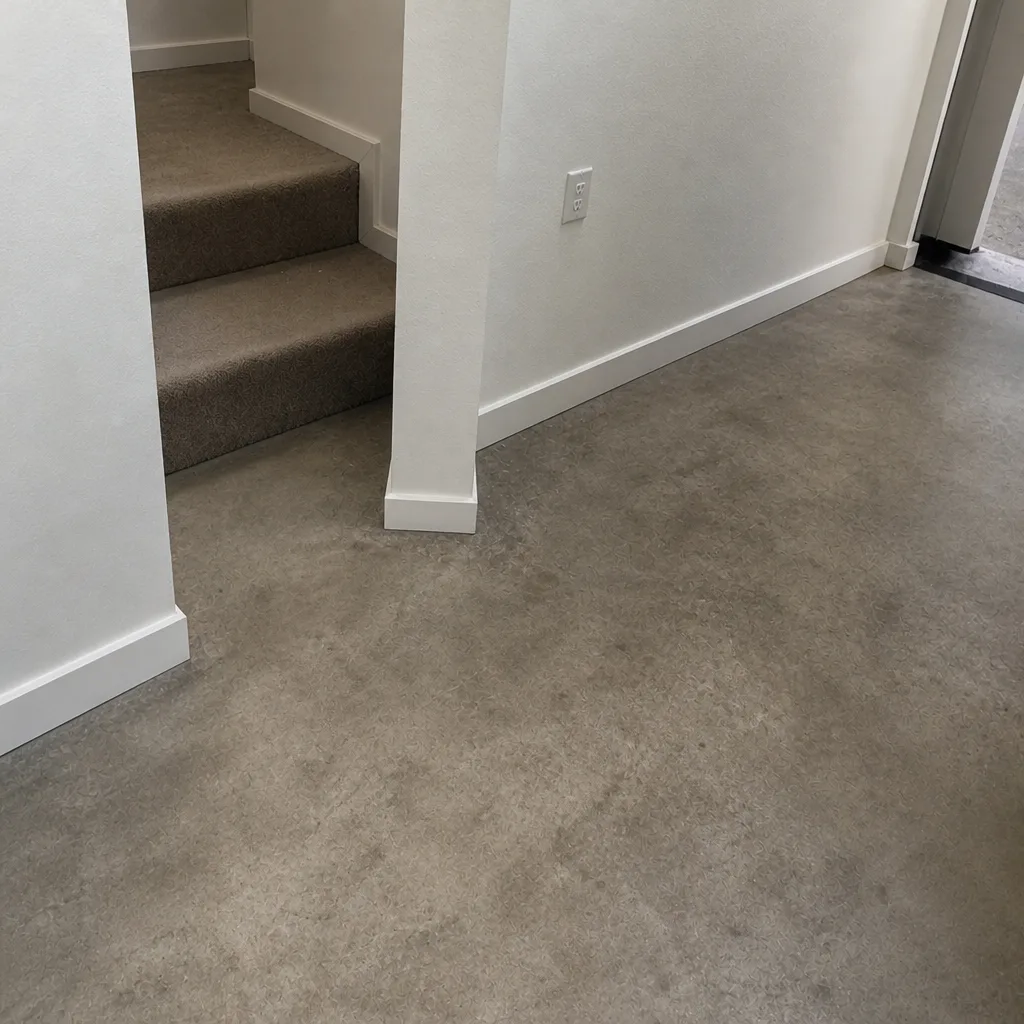 After
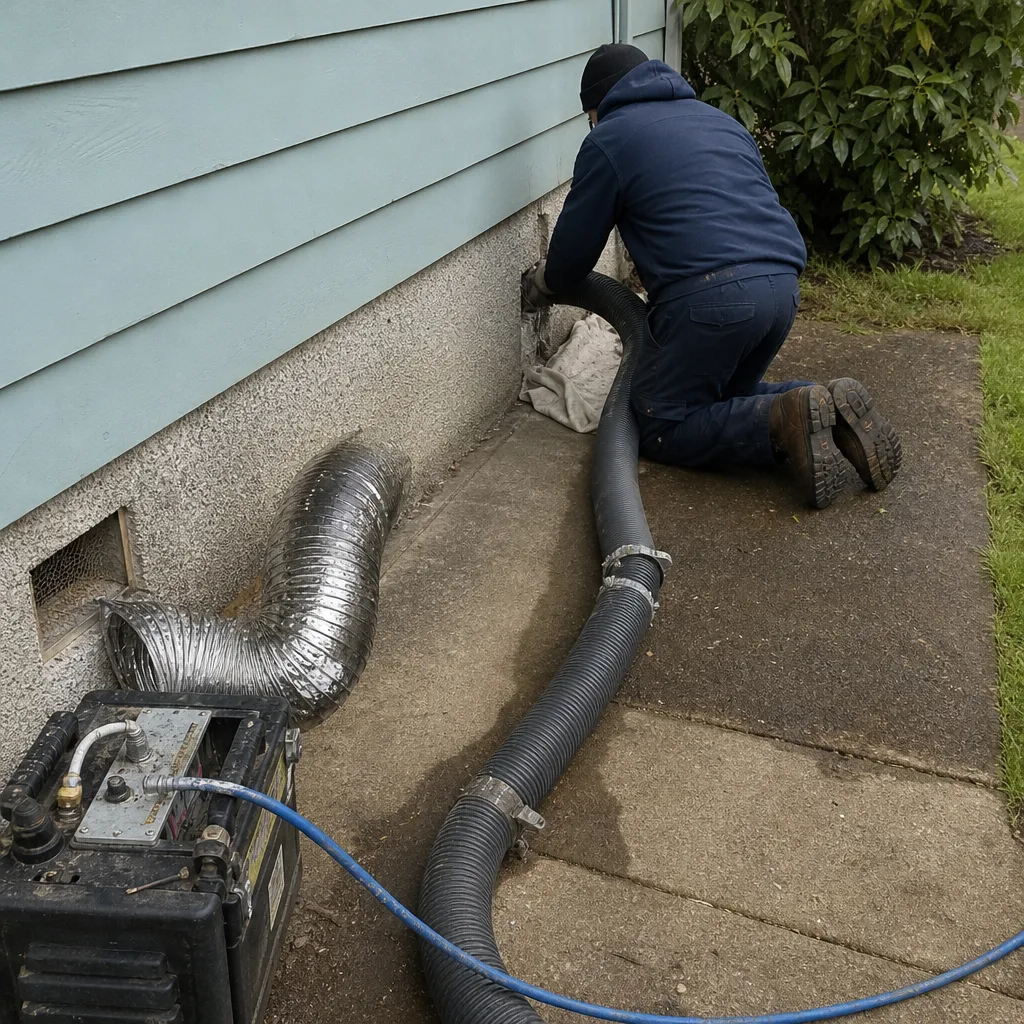 Before
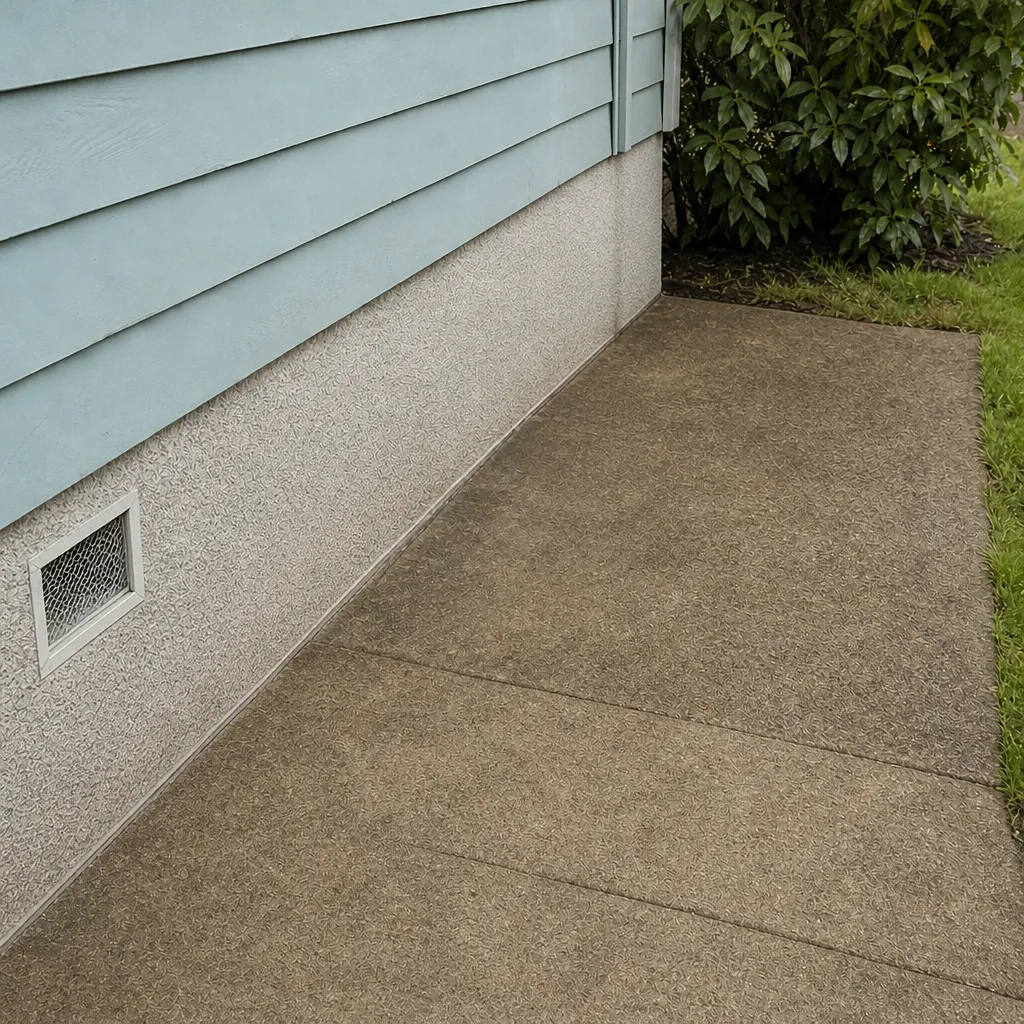 After
When to Call a Professional
Call a professional when the log shows a trend, not a single reading. Specifically: your filter loads heavily at 30 days two cycles in a row, a register has noticeably weaker airflow than its neighbors, dust or streaks are appearing on register surrounds or the ceiling near a supply, you can see debris or a dark coating inside a register opening, your dryer vent flap is sluggish or lint is visible outside, or you’ve just finished a renovation that opened walls or produced heavy dust. Those are the moments when a camera inspection and a cleaning change the trajectory of the system. Tacoma Air Duct Cleaning Pros offers free estimates in Tacoma. Call (877) 865-3172 and we’ll help you read the log and decide what the house actually needs. We answer 24/7. Fast dispatch from 7am to 7pm, Sunday through Friday.
Frequently Asked Questions
Most Tacoma homes fall on a three to five year professional interval, but that’s a starting point, not a rule. Homes with filtered systems, sealed ducts, and clean filter trends can go longer. Homes with flex duct through a vented crawlspace, older sheet metal with leaky joints, pets, or recent renovation dust should be closer to the shorter end. Your own 30-day filter readings, plus local triggers like cedar pollen season and wildfire smoke events, give you a more accurate schedule than any calendar.
Yes. Tacoma’s wet winters mean any leak in a crawlspace or attic duct pulls moisture into the living space, which lets dust bind to duct walls in a way dry dust doesn’t. Long dry summers with cedar pollen and Eastern Washington wildfire smoke add seasonal bursts of fine particulate that standard filters don’t catch completely. Logging each of those events is more useful than assuming a fixed cleaning interval.
Check the filter at 30 days, inspect registers and grilles for debris and streaks, look at the dryer vent flap, and feel airflow at each supply. Those five checks take about 15 minutes and don’t require tools. Anything inside a duct run, inside the air handler, or around the cooling coil should be left to a professional with a camera and the right equipment.
You can document visible register and filter conditions with dated photos and simple notes, and that record is useful for rental compliance purposes. But duct interiors, coil condition, and leakage need a professional inspection with before-and-after photos of the ducts themselves. Landlords should keep both: your tenant-side log and a dated professional inspection file for each turn.
A professional cleaning with camera equipment verifies what’s on the duct walls before and after, not just at the register. Our Rotobrush and Nikro systems agitate and extract debris, and we photograph the interior so you see what was removed. Follow-up sanitizing with Abatement Technologies and Guardsman-grade solutions, plus Honeywell or Aprilaire filters, address the air quality side so the improvement holds.
Ask for before-and-after photos of the interior duct runs, not just the registers. A legitimate cleaning involves agitation and extraction with professional equipment, and a camera inspection should be part of the job. If a quote sounds too low to include those steps, it probably skips them. Call (877) 865-3172 for a free estimate and an explanation of exactly what the work covers. Estimates are free.
The Bottom Line
A duct maintenance checklist for a Tacoma home is a log, not a calendar. Record a baseline after a professional clean, read your filter at 30 days, and log local triggers like pollen, smoke, and renovation dust. Inspect what you can safely reach, and let a professional with a camera handle everything deeper. Keep the record current, and it pays off at resale, in rental compliance, and in how long your HVAC system runs clean. When the log says it’s time, Tacoma Air Duct Cleaning Pros handles the cleaning, sealing, sanitizing, and dryer vent work under one roof. Call (877) 865-3172. We answer 24/7. Fast dispatch from 7am to 7pm, Sunday through Friday.
Written by the team at Tacoma Air Duct Cleaning Pros.