
Last updated November 23, 2026
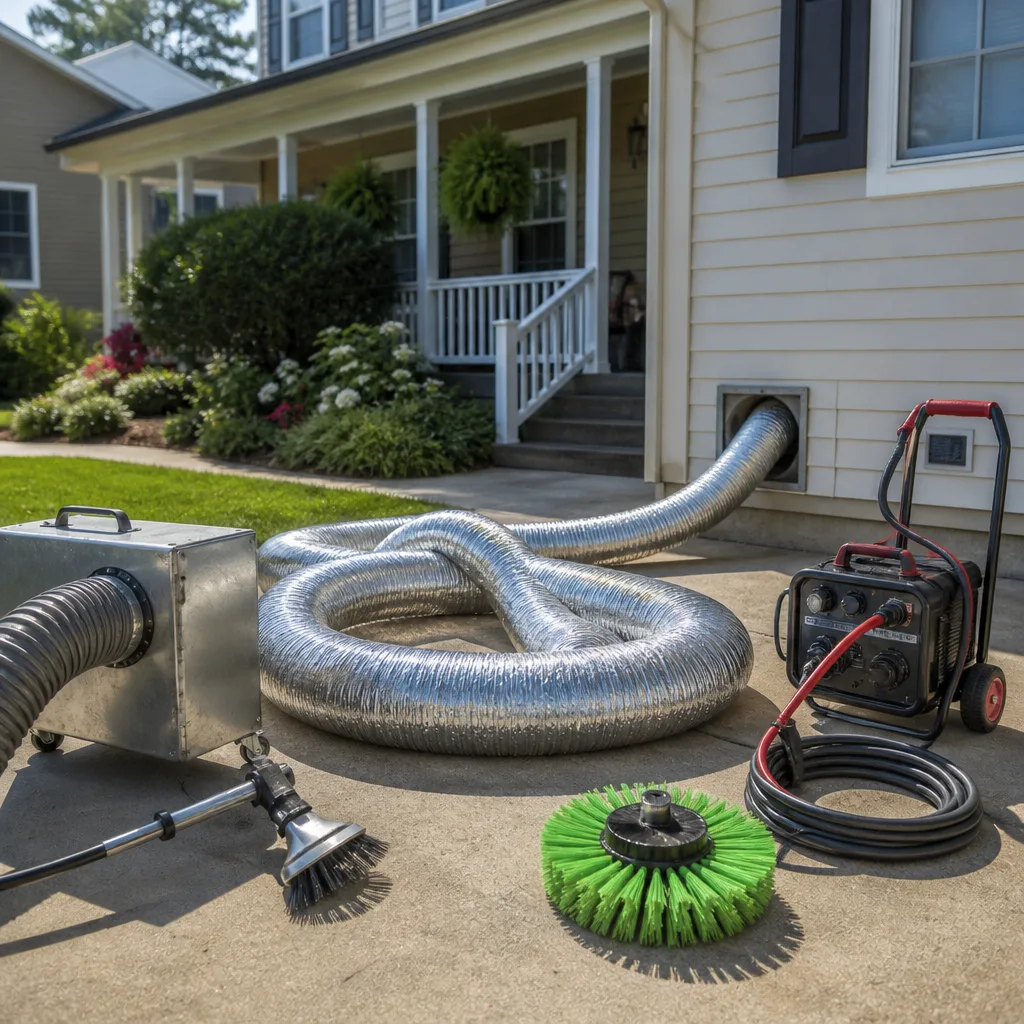 Whole-home duct cleaning
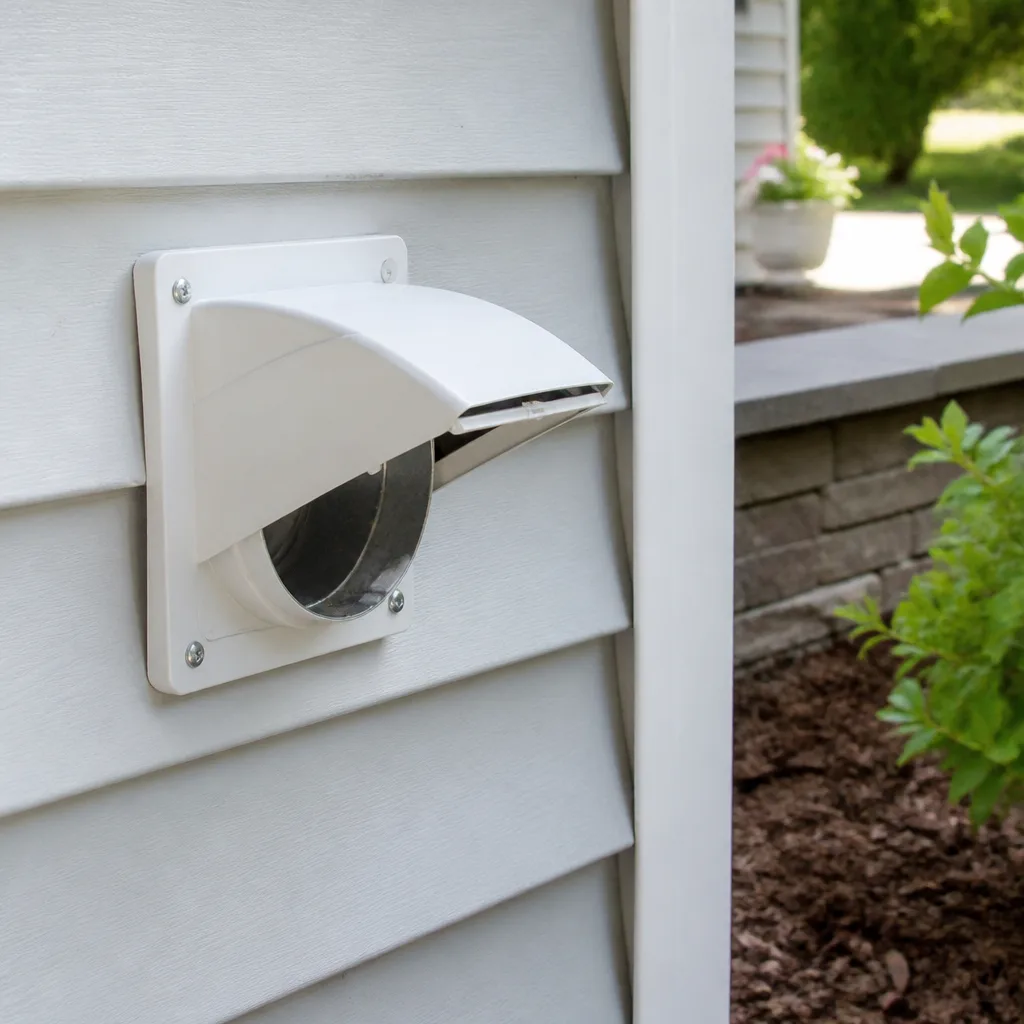 Dryer vent cleaning
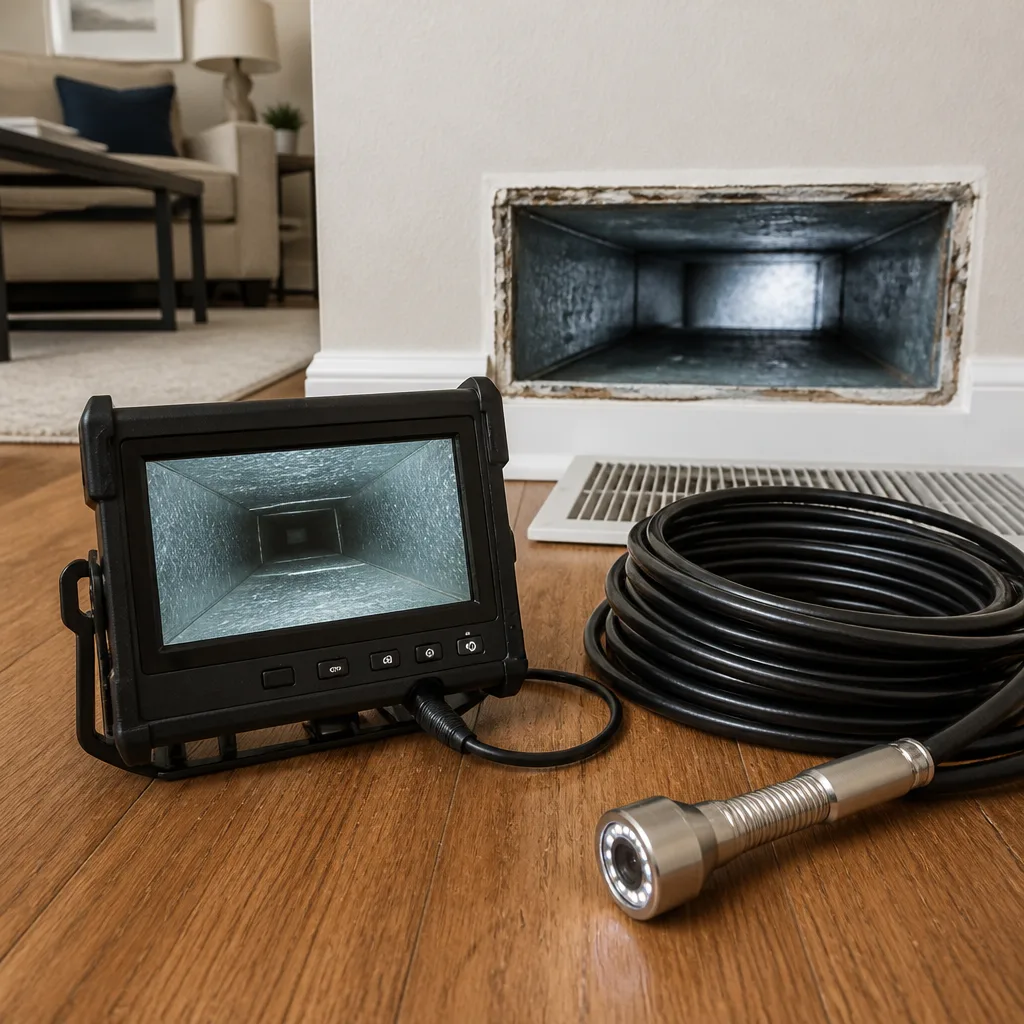 Camera inspection
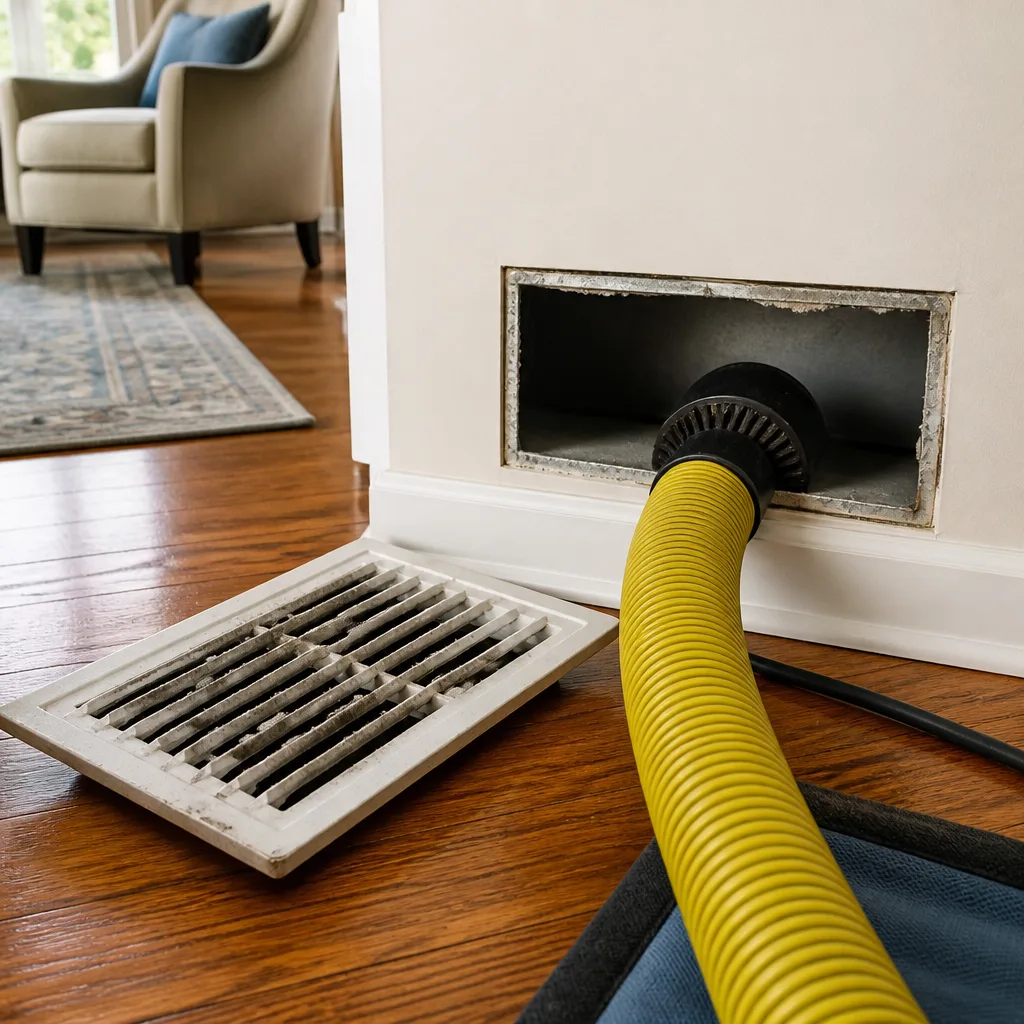 Sanitizing & deodorizing
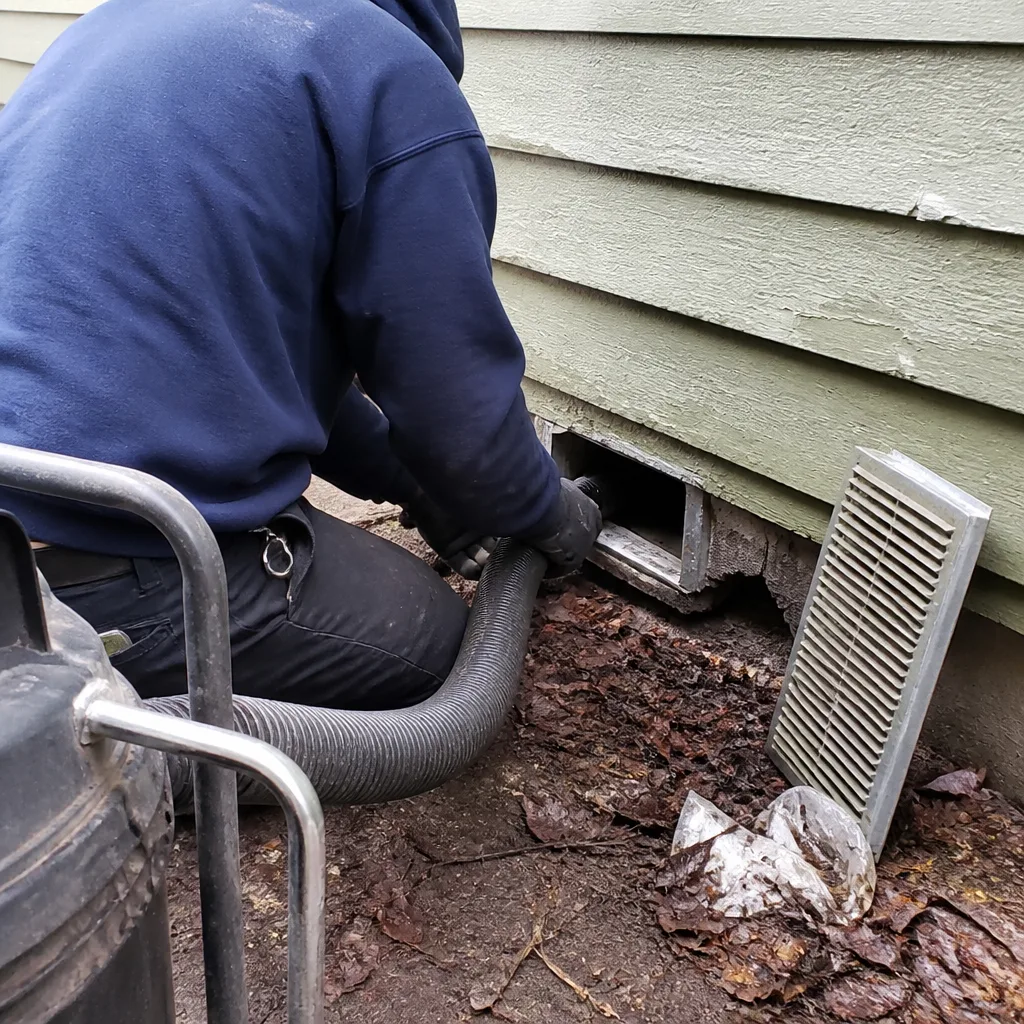
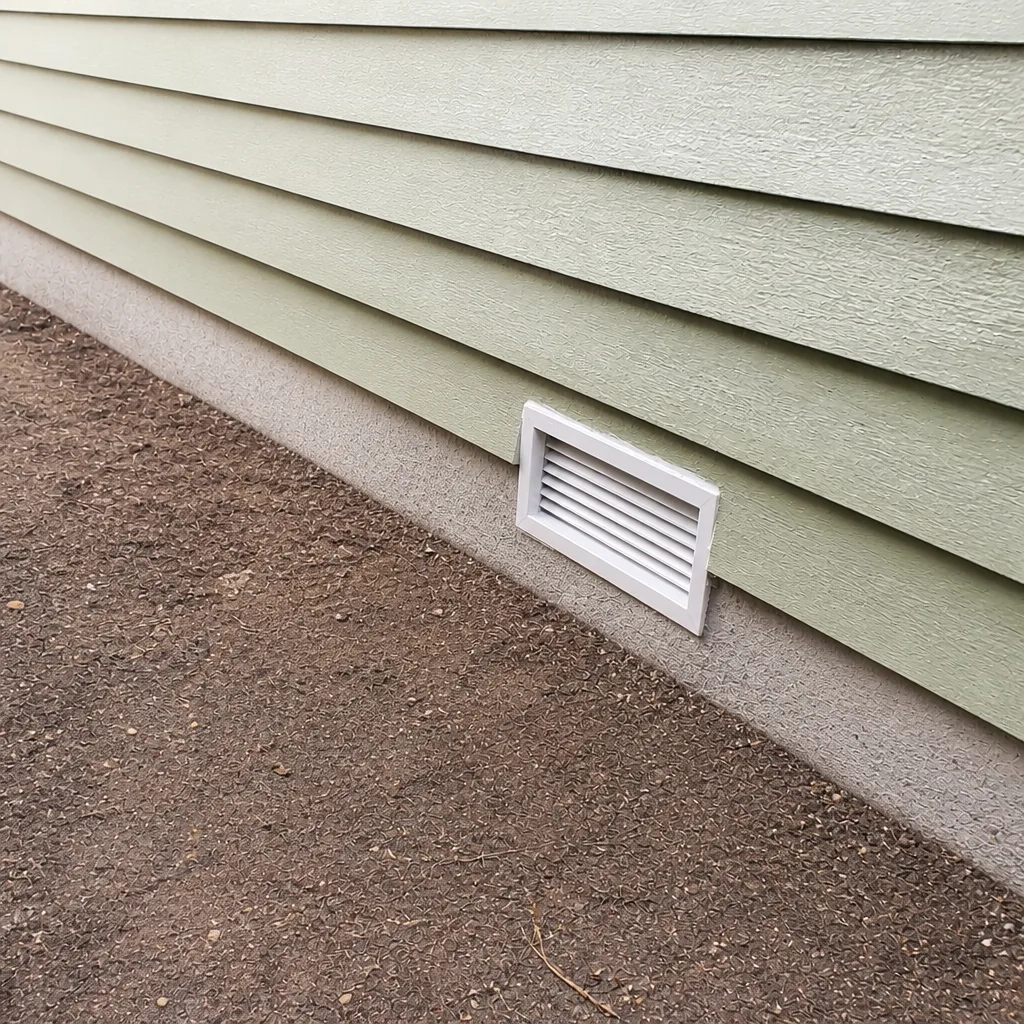
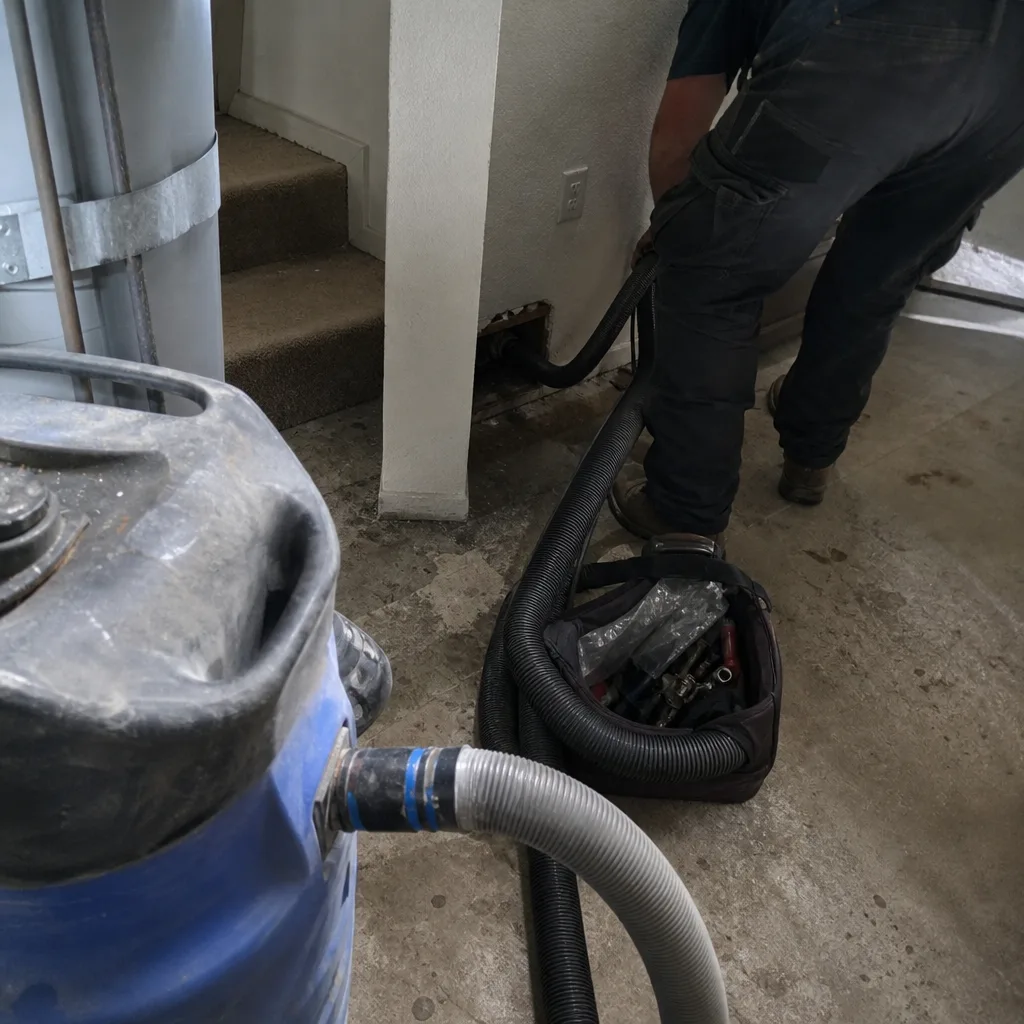
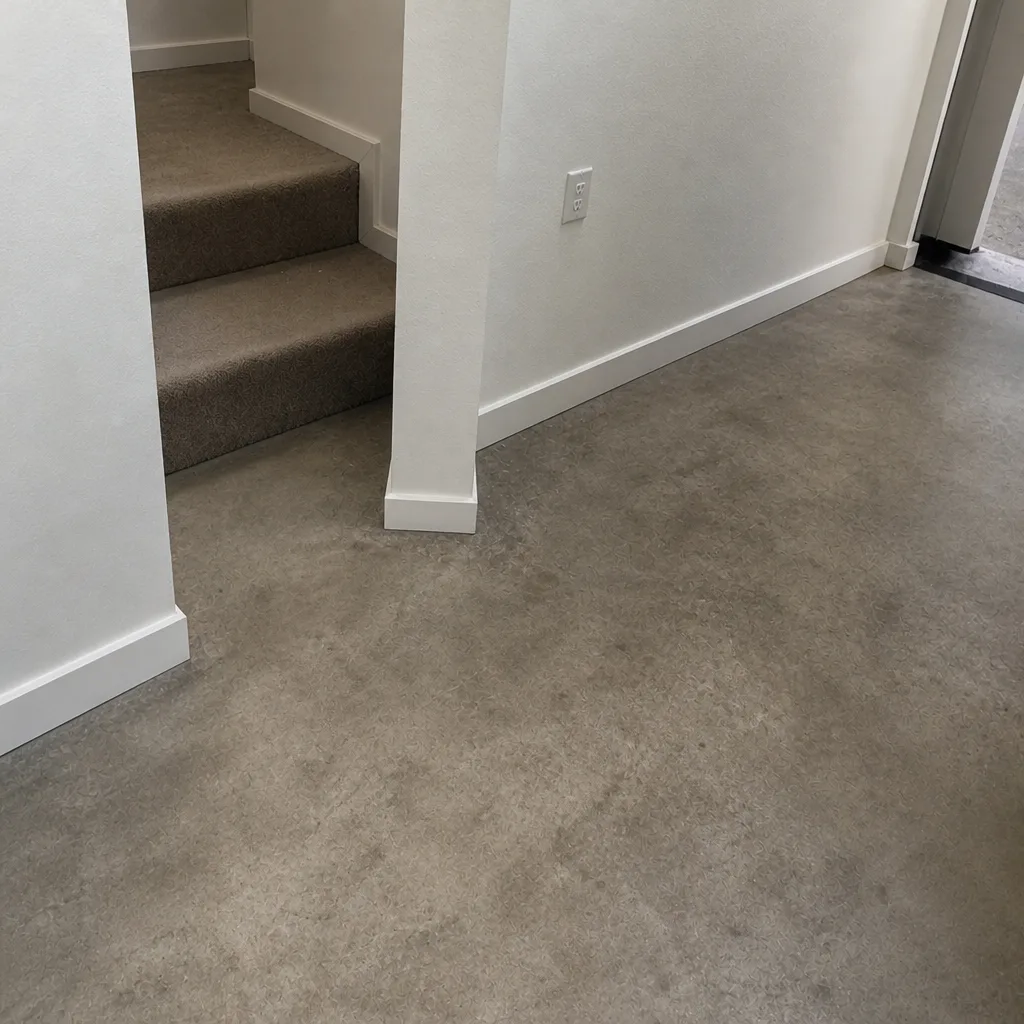
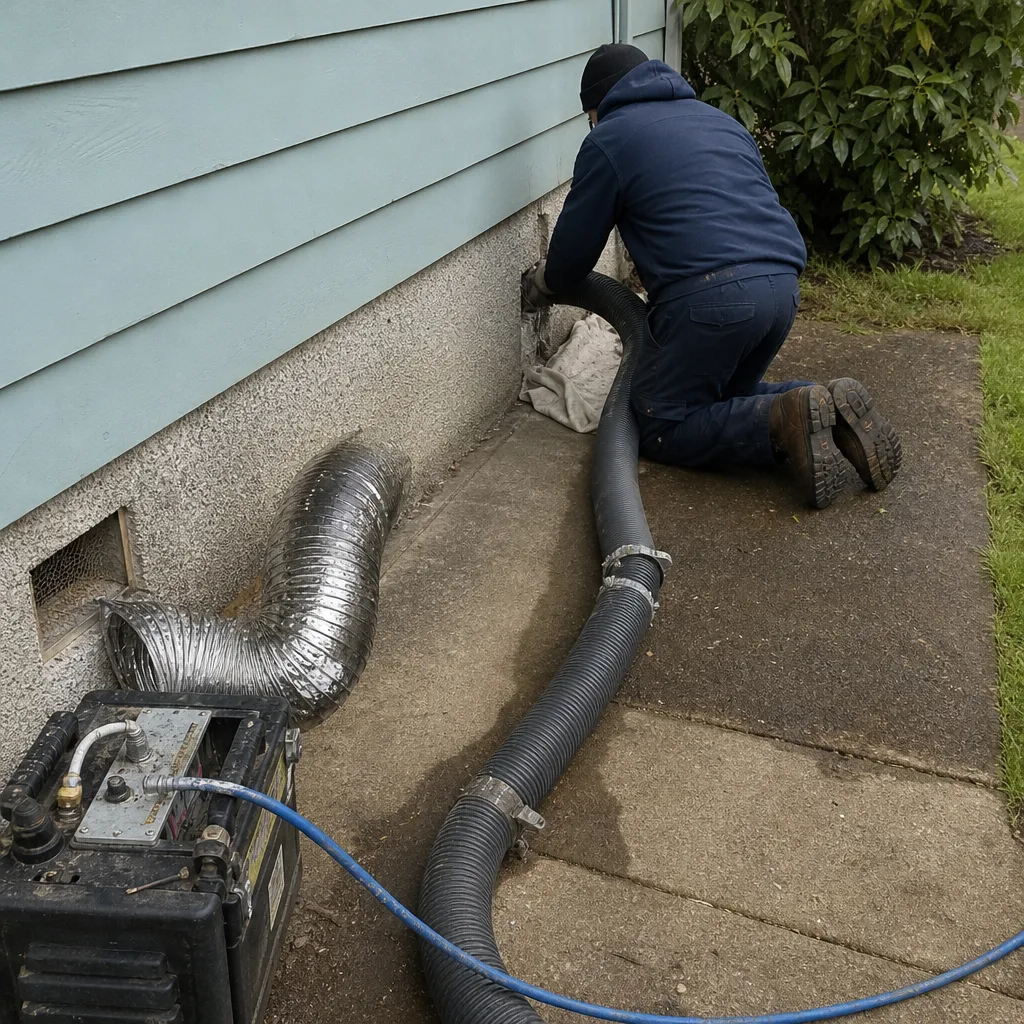
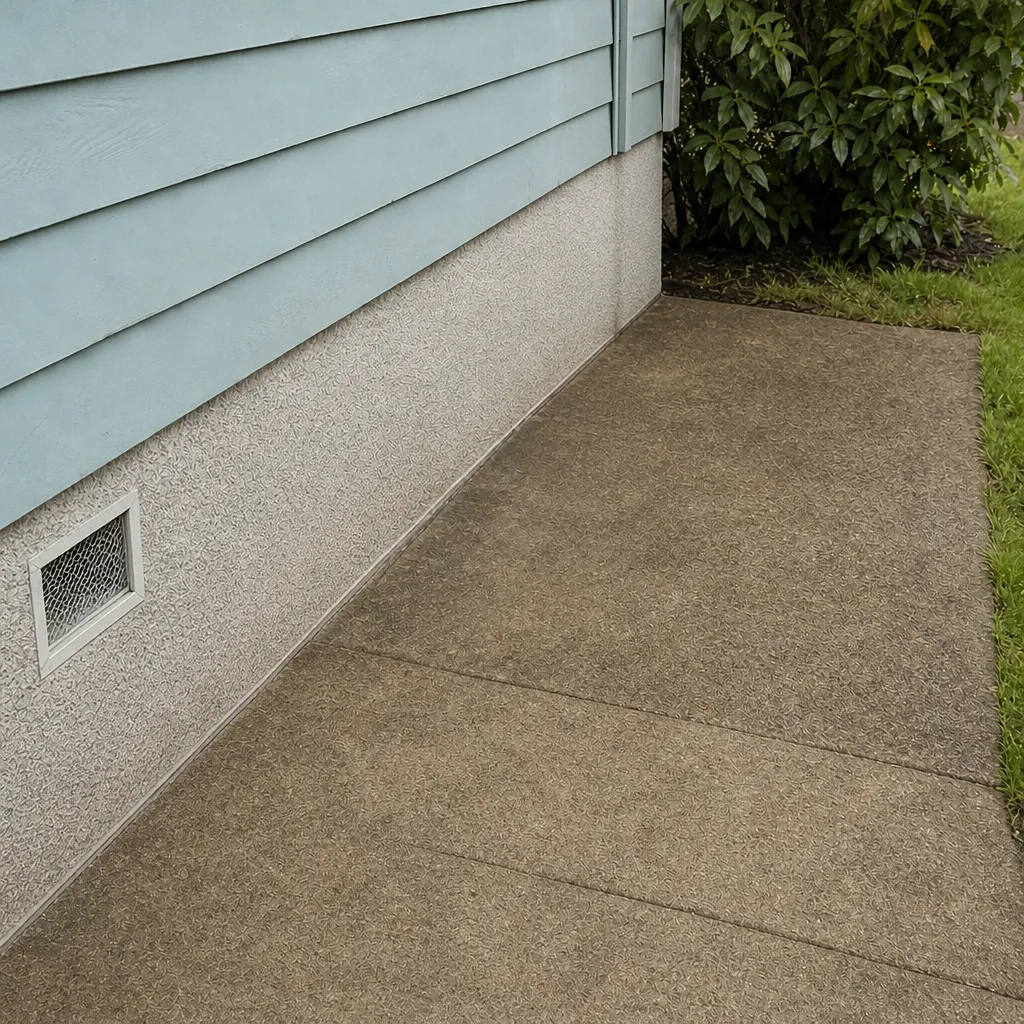
Whole-system duct and dryer vent check with before-and-after photos - you see exactly what came out of your vents
That "$99 whole-house special" is a bait ad - the real number appears once they are in your hallway, or the "clean" is a shop-vac at the register. We photograph the inside of your ducts before and after instead.
Air Duct Cleaning Warning Signs: A Tacoma Homeowner’s Reference Guide
The warning signs most guides list are the last ones to show up. Visible dust puffing from a vent, a musty smell in the hallway, a dark streak above a register: by the time those appear, the contamination has usually been building for years and has spread across surfaces well beyond what a standard cleaning reaches. By the time you can smell mold from your vents, it has already colonized enough surface area to need sanitizing, not just a vacuum. The signals that actually matter show up 12 to 18 months earlier, and they’re quieter. This guide covers those early indicators, what each one tells you about your specific duct system, and how Tacoma’s older housing stock changes the picture.
Quick Answer
The most reliable early warning signs of duct contamination in Tacoma are a filter that loads within two weeks instead of its rated 90 days, rooms that heat or cool unevenly with no thermostat explanation, ring-shaped staining around register faces, a sudden jump in energy costs, and dust that returns days after cleaning. These show up before visible debris or odors, and each points to a different part of the system.
Styles & brands we work with
- Whole-home duct cleaning
- Dryer vent cleaning
- Camera inspection
- Sanitizing & deodorizing
Table of Contents
- The Early Signals Most Homeowners Miss
- Uneven Room Temperatures and Airflow Restriction
- What a Fast-Loading Filter Tells You
- Normal Dust vs. Ring Staining at the Register
- Why Energy Costs Spike Before Ducts Look Dirty
- Post-Renovation Signs in Older Tacoma Homes
- The Dryer Vent Signal Nobody Talks About
- How a Professional Inspection Reads These Signs
- Common Mistakes to Avoid
- When to Call a Professional
- Frequently Asked Questions
The Early Signals Most Homeowners Miss
Airflow restriction in a duct system rarely announces itself. It builds in stages. Debris settles on the bottom of horizontal runs, then accumulates at transitions where the duct changes direction or diameter, then begins to choke specific trunk lines that feed specific rooms. Long before anyone notices dust or odor, the system is already working harder and distributing air unevenly.
Here’s what to watch for in the 12 to 18 months before the obvious signs appear:
- Air that feels weak at one register and strong at another. If the vent in the primary bedroom barely moves a tissue while the one in the living room could blow it across the room, you have restricted flow somewhere in between.
- Dust appearing on horizontal surfaces within a week of cleaning. Normal household dust settles over weeks. Dust that covers a table in days means the supply air is carrying it.
- A filter that looks dark gray before its expected replacement date. We cover this in detail below, but it’s the single most reliable early indicator.
- A faint musty note you notice only when the system first kicks on. That’s the smell of the system’s own surfaces, not the room.
- An HVAC system that runs longer than it used to. Restricted airflow makes the blower work harder and the cycle longer.
Houses in Tacoma’s North End and Proctor district tend to have original or partially retrofitted ductwork that wasn’t sized for the airflow a modern system pushes. That mismatch makes early restriction signs more pronounced here than in newer construction. If you want the broad overview of what professional cleaning actually removes, the Tacoma Air Duct Cleaning Pros main page covers the full process.
Uneven Room Temperatures and Airflow Restriction
If one room in your Tacoma home is consistently 4 to 6 degrees off from the rest of the house, and that room’s duct is the furthest from the air handler or the longest run in the system, debris accumulation in that specific trunk line is a likely cause. It’s the first place restriction shows up because it has the least airflow margin to begin with.
You can test this yourself before calling anyone. Tape a square of toilet paper to a register face and watch it flutter. Do this at every register in the house and compare.
- Note which registers barely move the paper, which flap it steadily, and which let it hang still.
- Write the room name next to each reading so you have a map of the airflow pattern.
- Check whether the weak registers are all on the same run, furthest from the unit, or feeding rooms that face a particular direction.
- If a weak register is in a room you’ve never been able to heat evenly, note how long that’s been true.
What you’re looking for is a pattern, not a single weak vent. One dead register could be a closed damper or a disconnected flex run. Three weak registers all feeding the north side of a 1950s home usually means the trunk line serving that side has lost capacity to debris or to sealing failures. Which leads to a hard truth: cleaning alone won’t fix a duct that’s leaking at the joints. We clean, repair, and seal as one service for exactly this reason. You can read more about the cleaning side under air duct cleaning.
What a Fast-Loading Filter Tells You
If your furnace filter loads up in two weeks instead of the 90 days it’s rated for, the filter is doing more work than it should be. Filter ratings assume a clean upstream duct system. When a filter loads fast, it means either the return side is pulling unfiltered air from somewhere it shouldn’t, or the return ducts themselves are shedding debris into the filter face. Both point to a problem upstream of the filter, not at the filter.
The rated interval on a 1-inch pleated filter relies on a set volume of air moving through it. Once return duct surfaces have collected enough particulate, that debris gets swept along and loads the filter far faster. The filter is doing its job. It’s just receiving more material than it was designed for.
What a fast-loading filter can indicate:
- Return duct contamination. Stored debris on the return runs gets picked up and dumped onto the filter.
- Leaky return ducts in unconditioned space. Return systems under negative pressure will pull in whatever surrounds a leak, including attic or crawlspace air.
- Cabinet or plenum gaps. If the filter sits in a slot with visible gaps at the edges, unfiltered air is bypassing it entirely.
- Poor sealing at the return register. A register grille that doesn’t seal to the wall can pull wall-cavity air.
Older homes in Tacoma’s South End frequently have return systems routed through wall cavities rather than dedicated chases. Those cavities collect dust, plaster dust, and insulation fiber for decades and then slowly feed it into the filter. Cleaning plus sealing is the fix, and the difference is measurable. If you’re seeing this, it’s worth having a technician look at both sides of the system rather than trying thicker filters.
Normal Dust vs. Ring Staining at the Register
Dust at a register face is normal. Every duct system deposits a light film where supply air exits and the velocity drops. What isn’t normal is a defined ring of dust or dark staining around the perimeter of the register, with a cleaner zone in the middle. That ring is the signature of air bypassing the register rather than flowing through it.
When supply air escapes around the edges of a poorly sealed register grille, it creates a low-pressure draw at the gap. That draw pulls air out of the wall cavity, and wall cavity air carries plaster dust, insulation fibers, and whatever settled in the framing bays over decades. The debris deposits in a ring right where the escaping air meets the wall surface.
How to tell them apart:
- Normal dust: even, light gray, builds up slowly, wipes off cleanly.
- Ring staining: clearly defined edge around the register, sometimes slightly warm-toned or darker than the rest of the wall, with a lighter patch right where the metal meets sheetrock.
- Ring staining with visible gaps: hold a flashlight to the edge of the register and see if light comes through. If it does, air is escaping there.
- Streaking upward or downward from a supply register: classic sign of a leak in the supply duct system itself, not the register face.
Find this on one register and it may just be an old install. Find it on five registers throughout a Tacoma home and you’re looking at a duct system that’s losing a substantial volume of conditioned air into the wall cavities. That’s a sealing job, not a cleaning job, and doing one without the other wastes money. Our full process on the HVAC cleaning page covers how sealing is folded into the work.
Why Energy Costs Spike Before Ducts Look Dirty
A sudden, unexplained rise in heating or cooling costs often shows up months before you’d ever notice dust or odor. That’s because restricted airflow and duct leakage both force the HVAC system to run longer cycles to reach the temperature the thermostat is asking for. The system isn’t broken. It’s spending more energy to overcome a delivery problem.
Watch for these patterns on your utility bill:
- A rise that can’t be explained by weather or rate changes. Pull the same month’s bill from the previous two years and compare usage, not dollars. Usage changes are the signal; rate changes just distort it.
- A rise that hits the heating season first. Heating cycles amplify airflow problems, so a duct issue that was tolerable in summer jumps out in the first cold month.
- A slow climb rather than a spike. The most common pattern is a system losing efficiency a little at a time, which is exactly how debris accumulates.
- A rise on the bill while the house doesn’t feel as warm as it used to. More energy for less comfort is the hallmark of a delivery problem.
Tacoma’s heating months are long and often damp, and a marginal duct system gets more total runtime hours here than in a milder climate. That means the early energy-cost signal tends to appear sooner, and clearer, than visible duct symptoms. If your bill has been climbing for two seasons with no other explanation, duct condition belongs on the short list.
Post-Renovation Signs in Older Tacoma Homes
A remodel can turn a clean duct system into a contaminated one in days. Plaster dust, insulation fiber, drywall sanding dust, and framing debris all get airborne during a project, and the duct system becomes an unintended vacuum. Tacoma has a large stock of Craftsman-era and mid-century homes where the original wall cavities, plaster layers, and insulation were never designed to contain that kind of disturbance.
Watch for these signals in the weeks and months after a project:
- Dust appearing in rooms that weren’t part of the remodel. If the living room and upstairs bedroom suddenly collect dust after work in the kitchen, the duct system is moving it.
- A filter that loads within days of the contractor leaving. Sanding dust is the worst filter-clogging particle in residential construction.
- Registers on the remodeled side of the home blowing visible dust for the first time.
- Loss of airflow in the room that was worked on. Demo or drywall work can leave debris inside the register boot or the run feeding it.
- A musty or chemical smell. New insulation, adhesives, and joint compound can off-gas into the duct system through the register openings during the project.
Older Tacoma homes carry an extra risk here. Craftsman and mid-century construction often used original wall-bay insulation that’s broken down over the decades, and a remodel that opens those bays releases decades of accumulated fiber into the nearby ductwork. Cleaning after a renovation, and sealing the joints that got disturbed, is the pattern that prevents contamination from settling into the system permanently. Homeowners in the Stadium District and along 6th Avenue run into this constantly because renovation activity in that housing stock is high.
The Dryer Vent Signal Nobody Talks About
Dryer vent restriction is a warning sign in its own right, and it doesn’t always get caught alongside duct issues even though it’s the same house, the same air quality question, and the same maintenance conversation. The signals are distinct from your HVAC registers, and they tend to build faster than most people expect.
Watch for:
- Clothes taking longer than one cycle to dry. Slow drying is the most consistent early sign.
- The dryer or the laundry area running noticeably warm or humid. Restricted airflow traps heat and moisture at the appliance.
- Lint collecting around the dryer door or on the floor behind the appliance. Lint that isn’t leaving the house is staying inside it.
- A damp smell in the laundry area. Moisture that isn’t being exhausted out will settle.
- A visible lint line at the exterior vent flap. A flap that barely opens, or doesn’t, is a blockage sign.
Lint buildup in a dryer vent is a leading cause of house fires, and it’s the one service many duct cleaners skip or hand to someone else. We include dryer vent cleaning in the same visit when the signs are there, so the whole system gets handled once rather than juggling appointments.
How a Professional Inspection Reads These Signs
A professional inspection reads the same signals you’re collecting, plus visual access into the duct system itself. The order matters: an experienced technician checks airflow, filter condition, register faces, and system age first, then opens access points to confirm what the outside symptoms suggest. That prevents guessing and prevents a cleaning being sold where a repair is the real answer.
Here’s what that inspection typically walks through:
- Filter pull and inspection. How loaded the filter is, and whether the slot is sealed properly, tells us about return-side condition.
- Register-by-register airflow check. A map of strong and weak airflow points to the specific trunk lines with restriction.
- Register face inspection. Distinguishes normal dust from ring staining and trace airflow leaks at joints and boots.
- Duct interior inspection through access points. Direct visual confirmation of debris type, amount, and location.
- Sealing check at accessible joints. Gaps and disconnections we can reach are noted for repair, not just cleaned around.
- HVAC unit and blower area check. Debris buildup on the coil and blower cabinet affects the entire system differently than duct debris does.
- Dryer vent check if applicable. Separate pathway, separate inspection, same visit.
Our technicians have up to 9 years of experience on these inspections, and the equipment matters as much as the checklist. We use Rotobrush and Nikro systems for cleaning, and Abatement Technologies systems for sanitizing work when microbial growth is found. That last piece is what separates a cleaning from a sanitizing job, and the distinction comes down to what the inspection finds, not what a work order says.
Common Mistakes to Avoid
- Waiting for a visible sign before calling. Dust and odor are lagging indicators. By the time you can see debris at a register, the system has been in that condition long enough that the cleaning is bigger. Use the early signs above as your call-to-action.
- Assuming a thicker filter solves the problem. A higher-MERV filter clogs faster in a contaminated system and strains the blower. It doesn’t fix the upstream condition, and it can amplify the airflow restriction.
- Booking a cleaning without asking about sealing. Cleaning a leaking duct system cleans the inside of a sieve. Duct repair and sealing addresses the root cause, and if the company doesn’t offer it, the cleaning is only half the job.
- Skipping the dryer vent because it seems separate. It’s the same house, the same air quality conversation, and one of the highest-risk maintenance items in it. Ask for it to be included when the signs are there.
- Hiring on price alone. A low quote that turns into a big invoice once the technician is on site is the pattern this industry has earned its reputation on. We work on one flat price per system, agreed before any work starts, with before-and-after photos of your own ducts.
- Letting a post-renovation cleaning slide. Once plaster dust and insulation fiber settle into the system, they don’t leave on their own. Cleaning within weeks of a project is far more effective than waiting for symptoms, especially in older Tacoma homes.
- Treating musty odor as a cleaning job. Odor usually means microbial growth on a surface area larger than standard cleaning reaches, which is why sanitizing work with the right equipment matters. Cleaning alone won’t resolve it.
When to Call a Professional
Call a professional when two or more of the early signals stack up: a fast-loading filter plus uneven room temperatures, ring staining on more than one register, a post-renovation dust pattern that hasn’t settled, or an energy bill that’s climbed for two seasons without explanation. One signal on its own is worth noting; two together usually means the system has been in that condition long enough to warrant an inspection. Dryer vent signs should prompt a call regardless of the duct picture, given the fire risk. And if the system hasn’t been cleaned in several years, an inspection is a reasonable baseline even without symptoms, because duct condition is not visible from any room in the house. Tacoma Air Duct Cleaning Pros offers free estimates in Tacoma – call (877) 865-3172.
Frequently Asked Questions
The earliest reliable signs are a filter that loads within two weeks instead of its rated 90 days, rooms that heat or cool unevenly with no other explanation, ring-shaped staining around register faces, a sudden rise in energy costs, and dust that returns within days of cleaning. These appear 12 to 18 months before visible debris or odor. Call (877) 865-3172 for an exact quote – estimates are free.
Whole-system air duct cleaning in Tacoma is priced per system, not per vent, and the written estimate sets the final price. We don’t quote teaser figures or per-vent prices because those are exactly how a low quote becomes a bigger invoice once the technician is on site. The estimate is free, and it reflects your actual system size and configuration. Call (877) 865-3172 for an exact quote – estimates are free.
Cheap quotes usually cover less of the system, or price per vent to make the number look smaller, then add charges once the technician is on site. Some skip sealing entirely, which leaves the root cause in place. We work on one flat price per system agreed before work starts, and we photograph the ducts before and after. Call (877) 865-3172 for an exact quote – estimates are free.
Before-and-after photos of your own duct system, taken during the job. The register faces you can see under normal airflow should also stop showing the ring staining and fast dust return that first prompted the call. If a company doesn’t offer photos of the work done, ask why. Call (877) 865-3172 for an exact quote – estimates are free.
For most Tacoma homes with a standard filter, every 3 to 5 years is reasonable, but the housing stock here changes that. Older Craftsman and mid-century homes with original wall insulation, recent renovations, pets, or allergy-sensitive occupants often benefit from a check sooner. Watch the early signs above and let them set the interval rather than a calendar. Call (877) 865-3172 for an exact quote – estimates are free.
Not by itself if the smell is from microbial growth. Odor from ducts usually means the growth has spread over a surface area larger than standard cleaning reaches, which is why sanitizing matters. We use Abatement Technologies systems for sanitizing work, and Honeywell and Aprilaire products can address the ongoing air quality piece after cleaning. Call (877) 865-3172 for an exact quote – estimates are free.
The Bottom Line
The warning signs that matter most appear 12 to 18 months before dust and odor do. A filter that loads in two weeks, uneven room temperatures, ring staining at register faces, a climbing energy bill, and post-renovation dust in an older Tacoma home are the early indicators. Reading them correctly points to two fixes most companies only half offer: cleaning, and repair and sealing of the duct system itself. Add sanitizing when the inspection finds microbial growth, and dryer vent cleaning when its signs appear, and the whole system is handled in one visit. Watch for the early signals, and act on them before the obvious ones appear.
Call (877) 865-3172 for a free estimate. We answer 24/7. Fast dispatch from 7am to 7pm, Sunday through Friday.
Written by the team at Tacoma Air Duct Cleaning Pros.
See the difference
 Before
 After
 Before
 After
 Before
 After