
Last updated November 23, 2026
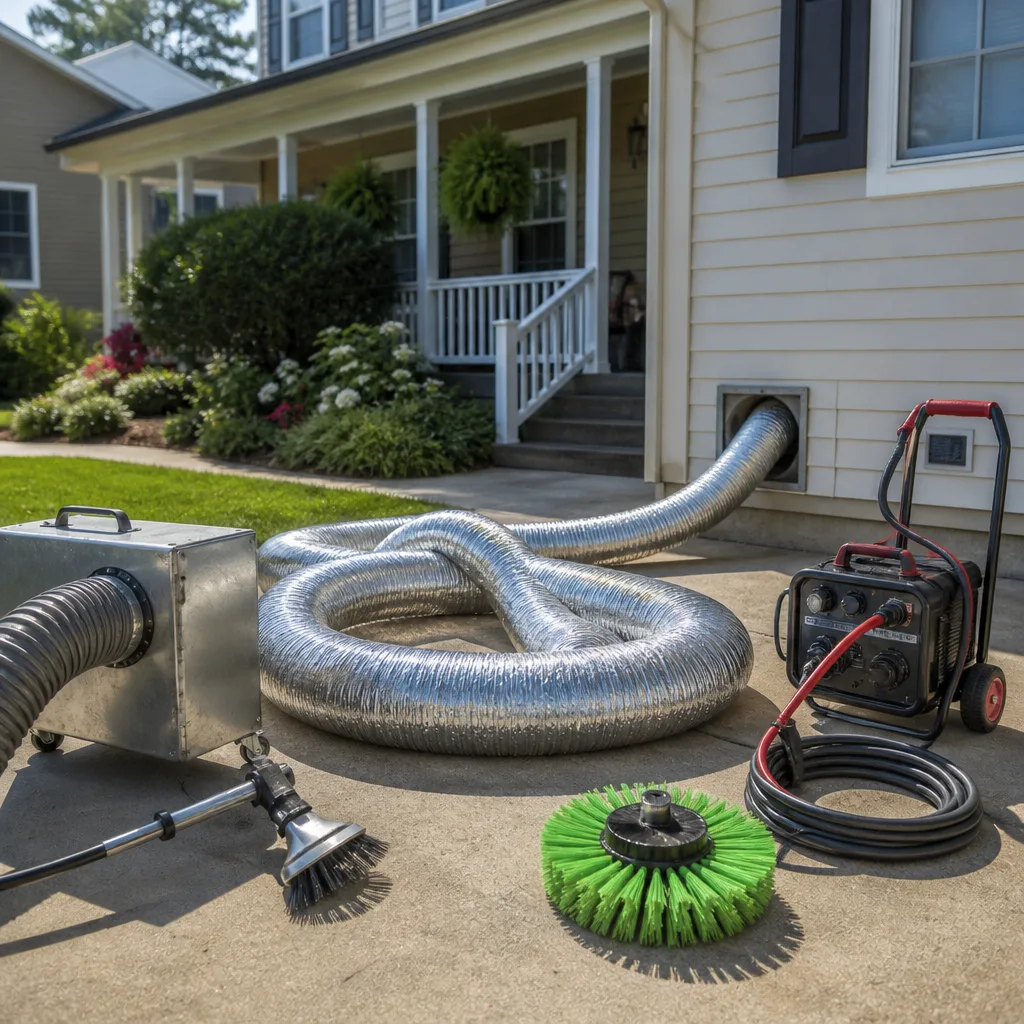 Whole-home duct cleaning
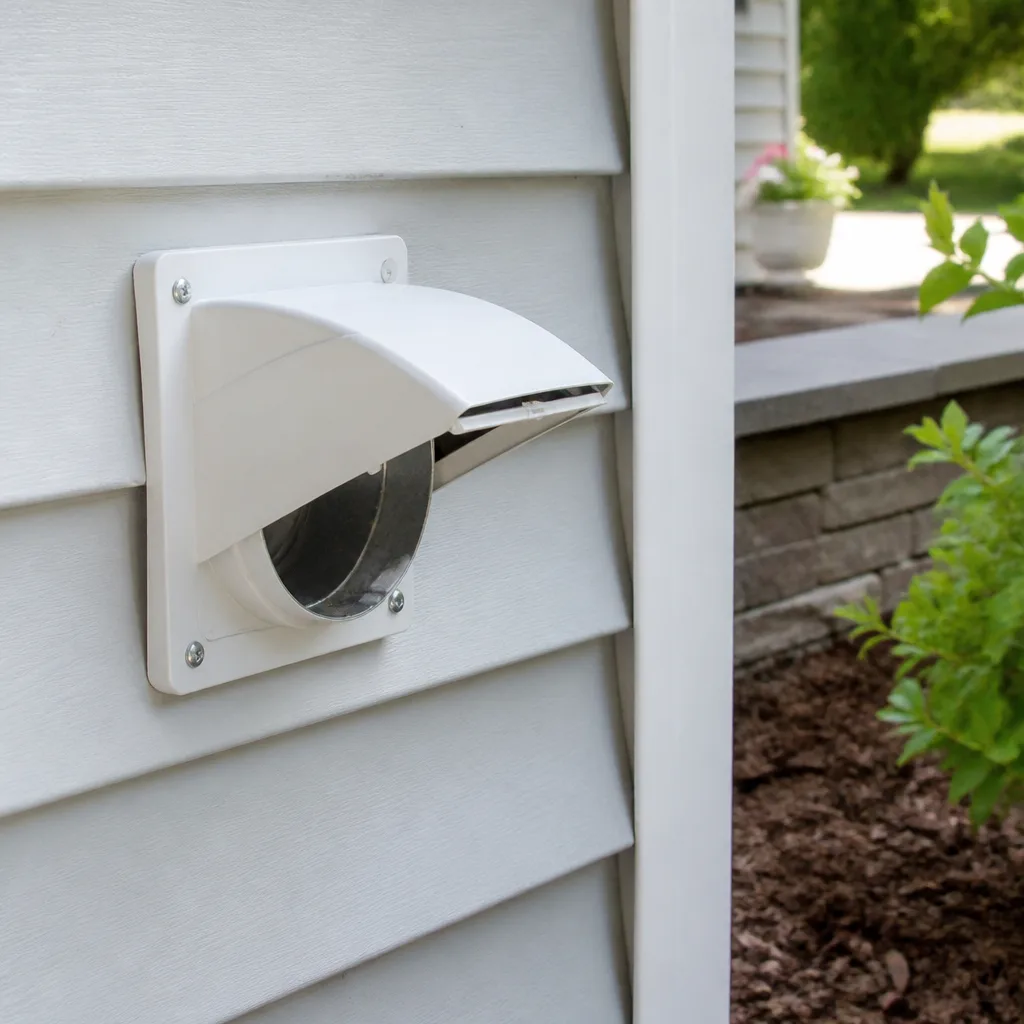 Dryer vent cleaning
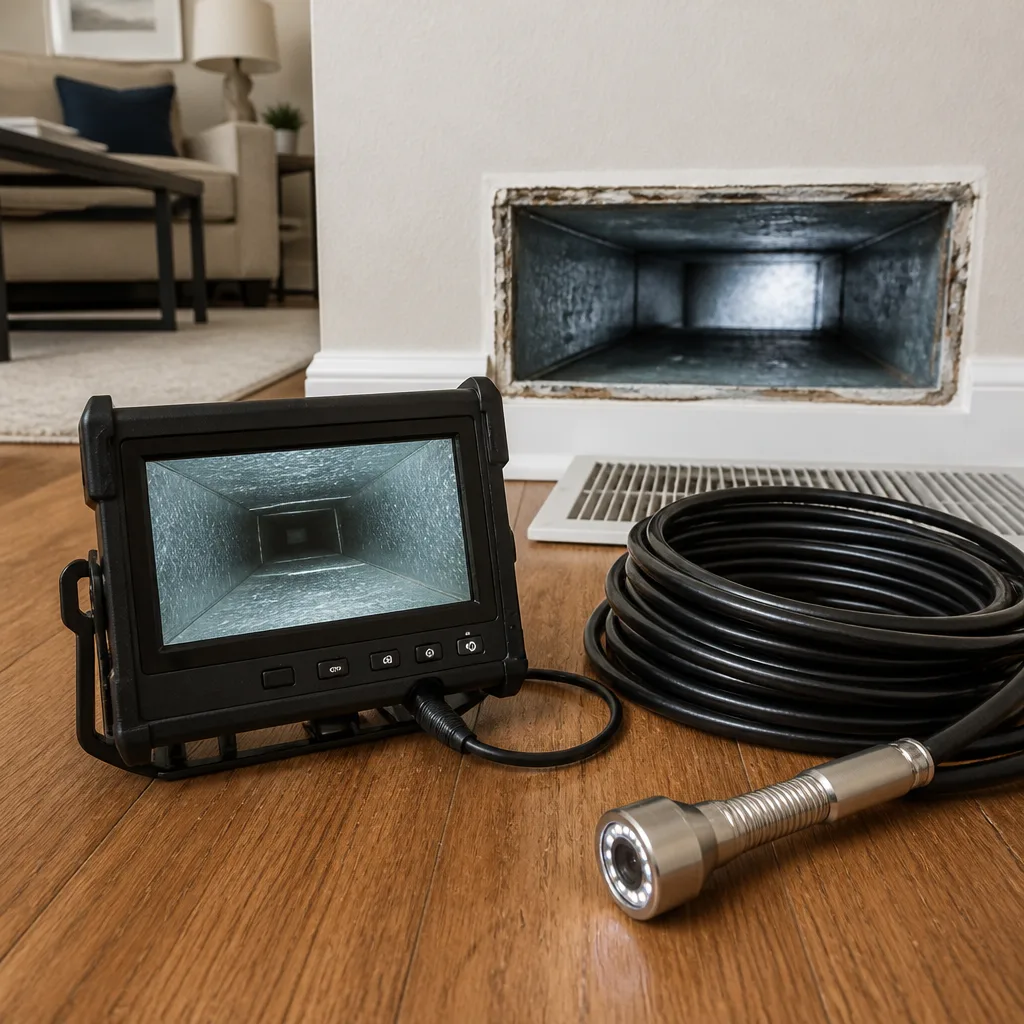 Camera inspection
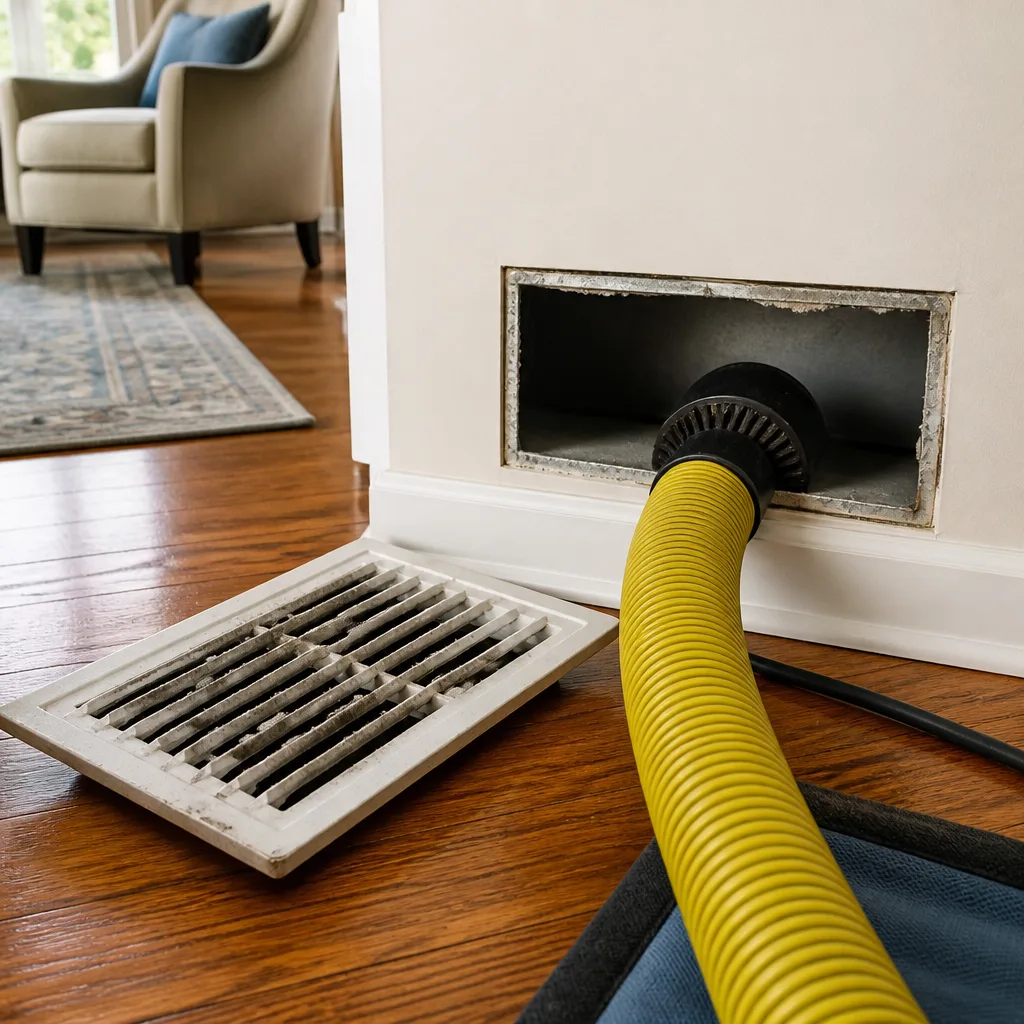 Sanitizing & deodorizing
Whole-system duct and dryer vent check with before-and-after photos - you see exactly what came out of your vents
That "$99 whole-house special" is a bait ad - the real number appears once they are in your hallway, or the "clean" is a shop-vac at the register. We photograph the inside of your ducts before and after instead.
The Complete Guide to Air Duct Cleaning in Tacoma
Most people assume “air duct cleaning” means someone runs a vacuum hose over the registers in each room and calls it done. That’s the picture the industry has sold, and it’s wrong. The vents you can see are just the exits. The debris that actually affects your air quality and your heating bills collects in places you never look: the return plenum, the supply trunk lines running through crawlspaces and attics, the coil housing, and the drain pan. A service that only touches the registers addresses a fraction of the system moving air through your house. This guide maps every component of a forced-air system, explains what a genuine full-system cleaning involves from start to finish, and shows you how to tell a real job from a partial one dressed up as complete. We’ll keep the focus on how this plays out in Tacoma specifically.
Quick Answer
Air duct cleaning in Tacoma means cleaning the entire forced-air system, not just the visible vents: supply trunks, return plenums, the coil housing, and the drain pan. A thorough job uses brush agitation and negative air pressure to physically remove debris rather than blow it around, and it typically takes several hours depending on system size and access. Anything advertised as a quick register-only vacuum is a partial cleaning.
Styles & brands we work with
- Whole-home duct cleaning
- Dryer vent cleaning
- Camera inspection
- Sanitizing & deodorizing
Table of Contents
- The Anatomy of a Forced-Air System
- How Tacoma’s Climate Shapes Duct Contamination
- Contact Vacuuming, Negative Air Pressure, and Brush Agitation
- What a Full-System Clean Looks Like Start to Finish
- Red Flags of a Partial Cleaning Sold as Complete
- Duct Repair and Sealing: Fixing the Root Cause
- Why Dryer Vent Cleaning Belongs in the Same Visit
- Air Quality and Sanitizing After the Clean
The Anatomy of a Forced-Air System: What Collects Debris and What Spreads It
To understand what a complete cleaning involves, you need a working picture of how air actually moves through your home. A forced-air system has two sides: the return side pulls air in and the supply side pushes conditioned air out. Debris collects unevenly across both, and some components are far worse offenders than others.
The components that collect the most debris:
- Return plenums and return ducts. These carry unfiltered room air back to the furnace or air handler. Because the air here hasn’t passed through the filter yet, this is where dust, pet hair, lint, and settled particulate concentrate first.
- The blower compartment and blower wheel. Dust sticks to the spinning wheel and the housing, cutting airflow and efficiency over time.
- The evaporator coil and coil housing. A wet coil during cooling season traps dust into a damp mat that restricts airflow and creates a surface where biological growth can take hold.
- The drain pan. Standing condensate mixed with dust becomes a sludge that supports microbial growth right inside the air path.
- Supply trunk lines. Dust that slips past the filter settles along the bottom of the trunks and in the branch runs feeding each room.
The components that mostly distribute air rather than collect debris are the supply registers and the branch ducts closest to them. This matters because a service that only cleans registers cleans the part of the system with the least debris. The return side and the coil housing hold the real load. When we inspect a Tacoma system, the return plenum almost always tells the story before we’ve opened a single register.
The full five-service scope matters here. Duct cleaning, dryer vent cleaning, HVAC cleaning, duct repair and sealing, and air quality sanitizing aren’t separate businesses bolted together. They address different parts of one connected system, and a single inspection can find leakage, contamination, and equipment buildup in the same pass.
How Tacoma’s Climate Shapes Duct Contamination
Tacoma sits in a cool, damp marine climate with wet winters and mild, humid summers. That has a direct effect on what grows and collects inside a duct system, and it produces contamination patterns different from what you’d find in a dry inland city.
In drier climates, duct debris is mostly dry dust and lint, and the main concern is airflow restriction and dust redistribution. In Tacoma, moisture changes the equation. Several factors combine:
- Longer heating seasons with the system running more months. More runtime means more air cycled through the ducts and more dust deposited on the return side.
- Humid summers and active cooling. When the air conditioner runs, the evaporator coil stays wet for extended periods. A damp coil housing is where dust turns into a sticky film rather than staying loose.
- Crawlspace and attic duct runs in damp conditions. Many Tacoma homes route ductwork through crawlspaces or unconditioned attics. In a wet climate, those runs are exposed to higher ambient humidity, and any leak in the duct jacket lets moist air and dust into the system.
- Drain pan moisture. A pan that doesn’t fully drain keeps a constant moisture source inside the air handler.
What this means in practice: in Tacoma, we treat the coil housing and drain pan as priority zones, and we pay close attention to duct sealing because damp air finding its way into a leaky duct run compounds the problem. A cleaning that ignores the moisture side of the system won’t hold up the way it would in a drier market. The climate is the reason the sanitizing step earns its place in the process here.
Contact Vacuuming, Negative Air Pressure, and Brush Agitation: When Each Is Used
Not every cleaning method does the same thing, and the difference matters. Here’s how the three main approaches work and when each is appropriate.
Contact Vacuuming
A vacuum is placed against or inside a duct section and debris is pulled out through direct contact. This works well for accessible sections and for removing loose material from register boots and short branch runs. On its own, it’s limited: it reaches what the nozzle reaches and nothing more. A contact-only job is the method behind most quick, low-cost cleanings, and it’s the reason those jobs miss the trunk lines and plenum.
Negative Air Pressure
The system is placed under negative pressure while the ducts are agitated, so loosened debris is drawn toward a collection point rather than drifting into the living space. This is the containment layer of a proper job. It keeps the work from simply redistributing dust through the house, which is the opposite of what you’re paying for. Negative pressure is what lets us agitate aggressively without pushing contamination into the rooms.
Brush Agitation
Rotating brush systems physically scrub the duct walls, breaking loose the caked-on material that vacuum alone can’t lift. This is where our Rotobrush and Nikro systems come in. They’re commercial-grade rotating brush and vacuum systems that agitate debris along the duct surface and extract it at the same time. In this damp climate, where dust clings and builds a film rather than staying loose, brush agitation is usually the deciding step between a surface pass and a genuine clean.
In our experience, a thorough Tacoma job combines all three: negative pressure for containment, brush agitation to break material loose, and contact vacuuming for the reachable sections and boots. The right method depends on the system, but a job that relies on only one of them is a partial clean by definition.
What a Full-System Clean Looks Like Start to Finish
A reputable full-system cleaning follows a sequence, and understanding that sequence helps you evaluate any quote you receive. Here’s the process as it should run.
- Inspection and system mapping. The technician identifies supply and return runs, locates the air handler, checks the coil and drain pan, and documents existing conditions before any work begins. This is also where leakage and access problems surface.
- Protecting the living space. Registers are covered, the work area is contained, and the vacuum and negative-pressure equipment are set up so debris has one place to go.
- Setting negative pressure. The system is placed under negative pressure before agitation begins, so loosened material is captured rather than spread.
- Cleaning the return side. Return plenums, return ducts, and the blower compartment get attention first because that’s where the heaviest debris load sits.
- Cleaning supply trunks and branches. Brush agitation runs through the supply trunk lines and branch runs, with vacuum extraction following along.
- Cleaning the coil housing and drain pan. The evaporator coil area and drain pan are cleaned, and any standing moisture or sludge is addressed.
- Cleaning registers and boots. The visible end of the system is done last, once the upstream dust has been removed.
- Before-and-after documentation. Photos of the ducts before and after the work show exactly what was removed. You shouldn’t have to take anyone’s word for it.
How long this takes depends on system size, the number of runs, and how much debris has built up. A typical single-family home takes several hours of actual work, not a 45-minute pit stop. In Tacoma’s damp climate, expect extra time on the coil housing and drain pan, and on any duct runs that show leakage. This is also where the five-service scope pays off: if the inspection turns up duct leakage, we can address it with HVAC cleaning and sealing in the same visit instead of sending you to another contractor.
Red Flags That a Quoted Job Is a Partial Cleaning Sold as Complete
The biggest frustration homeowners bring us is the bait-and-switch reputation of this industry. Some jobs are sold as complete cleanings but only touch the registers. Watch for these signs:
- The quote is for “vents” or “registers” rather than the full system. If the scope doesn’t name supply trunks, return plenums, and the coil housing, it’s a partial clean.
- A per-vent price with no whole-system figure. Pricing per vent is a structure that pays for surface work only. A complete job is quoted as a system-level price, and the written estimate should be agreed before work starts.
- No mention of the return side or the air handler. A cleaning that never opens the return plenum or looks at the coil isn’t addressing where debris actually collects.
- No before-and-after photos. A reputable service documents its work. “You’ll have to trust us” is not documentation.
- Equipment that’s just a shop vacuum and a hose. Professional containment, negative pressure, and rotating brush systems like Rotobrush and Nikro are the tools a full clean requires.
- Nobody inspects first. A quote given without looking at your system, your return plenum, or your coil can’t be a complete quote.
- Unwillingness to name the equipment. Ask what they’ll use. A straight answer tells you the scope of the work.
We’ve found that the conversation around a quote reveals more than the price does. If the scope is described in terms of the whole system and the equipment is named, you’re looking at a real clean. If it’s described per vent with a teaser figure, it’s surface work.
Duct Repair and Sealing: Fixing the Root Cause
Cleaning a leaky duct system is a temporary fix. If the ducts leak, freshly cleaned surfaces are exposed to attic or crawlspace air, dust, and moisture entering through the same gaps that caused the problem. That’s why duct repair and sealing belong alongside cleaning, not months later.
What repair and sealing involve:
- Finding the leaks. Inspecting accessible runs, joints, and seams for gaps where air escapes or outside air enters.
- Sealing the joints and seams. Closing the gaps so the air moving through the system stays inside the ducts.
- Addressing disconnected or damaged runs. Sections that have come loose or been crushed reduce airflow to the rooms they serve.
- Verifying after sealing. Checking that the system holds pressure and airflow reaches the registers it should.
This matters especially in Tacoma, where damp crawlspace or attic air finding its way into a leaky duct run adds moisture to the problem. Sealing the system closes that path. It also keeps the clean you just paid for from being undone by contamination re-entering through the same leaks. Cleaning, repair, and sealing are one job, done right.
Why Dryer Vent Cleaning Belongs in the Same Visit
Dryer vent buildup is a leading cause of house fires. Lint accumulates in the vent run over time, and a restricted vent makes the dryer less efficient and creates a real risk. Many duct cleaners skip it or send it to someone else. We clean those too, and there’s a practical reason to do it in the same visit.
The dryer vent is a venting problem in the same home, often in the same wall or crawlspace. Lint buildup restricts airflow and, depending on the run, can be difficult to reach without the right rotating brush and vacuum equipment. When we’re already set up for air duct cleaning, the dryer vent is a quick addition. It’s one call that covers your ducts, your HVAC system, your dryer vent, and your air quality, with no coordinating multiple contractors or separate appointments.
Air Quality and Sanitizing After the Clean
Cleaning removes the physical debris. Sanitizing addresses what cleaning alone doesn’t reach: allergens, mold spores, and microbial growth on the surfaces inside the system. It’s a separate step, and in Tacoma’s damp climate it’s the step that keeps the result stable.
Our sanitizing uses Abatement Technologies systems, a containment-grade air scrubbing approach typically reserved for remediation work, with Guardsman-grade cleaning solutions. What that means for you: the treatment targets what’s on the surfaces after the debris is gone, rather than masking odor. We combine this with products from Honeywell and Aprilaire to bridge cleaning and long-term air quality improvement. After the system is clean, these are installed to keep it that way, addressing filtration and humidity at the source instead of relying on periodic re-cleaning to stay ahead of the buildup.
We do this in sequence, because sanitizing a dirty system wastes the treatment. Clean first, then sanitize, then install the components that help the improvement last. That’s how a full-system approach works, and it’s why the five-service scope exists.
How Much Does Air Duct Cleaning Cost in Tacoma?
Air duct cleaning in Tacoma is priced per system, not per vent. Because most companies quote a whole-system figure for a complete clean that includes supply trunks, return plenums, the coil housing, and the drain pan, the figure you hear from a reputable provider covers the actual system. That’s the structure you want. Pricing per vent is a structure built around surface work.
When you compare quotes, compare scope alongside price. A quote for registers only will always look cheaper than a quote for the full system, because it’s a different amount of work. The number that matters is a whole-system figure for a complete clean, agreed in writing before work begins, with a written estimate that sets the final price. Ask what’s included, what equipment will be used, and whether before-and-after photos are part of the job. Those answers tell you what you’re actually buying.
For an exact quote on your Tacoma home, call (877) 865-3172. Estimates are free, and the price is set per job by the written estimate.
How Often Does Air Duct Cleaning Really Need to Be Done?
Most homes don’t need air duct cleaning on a fixed schedule. The usual external signals are a recent remodel or construction project that generated dust, visible debris or dust blowing from the registers, persistent musty odor when the system runs, or a coil housing that looks dirty on inspection. In a damp climate like Tacoma, moisture and the coil housing tend to drive the timing more than the calendar does.
Instead of a schedule, think in terms of inspection and condition. A routine inspection paired with a whole-system clean when the system shows real buildup is more useful than cleaning on a timer. If your system is showing the signals above, an inspection will tell you whether a full clean is needed. Call (877) 865-3172 for a free estimate.
See the difference
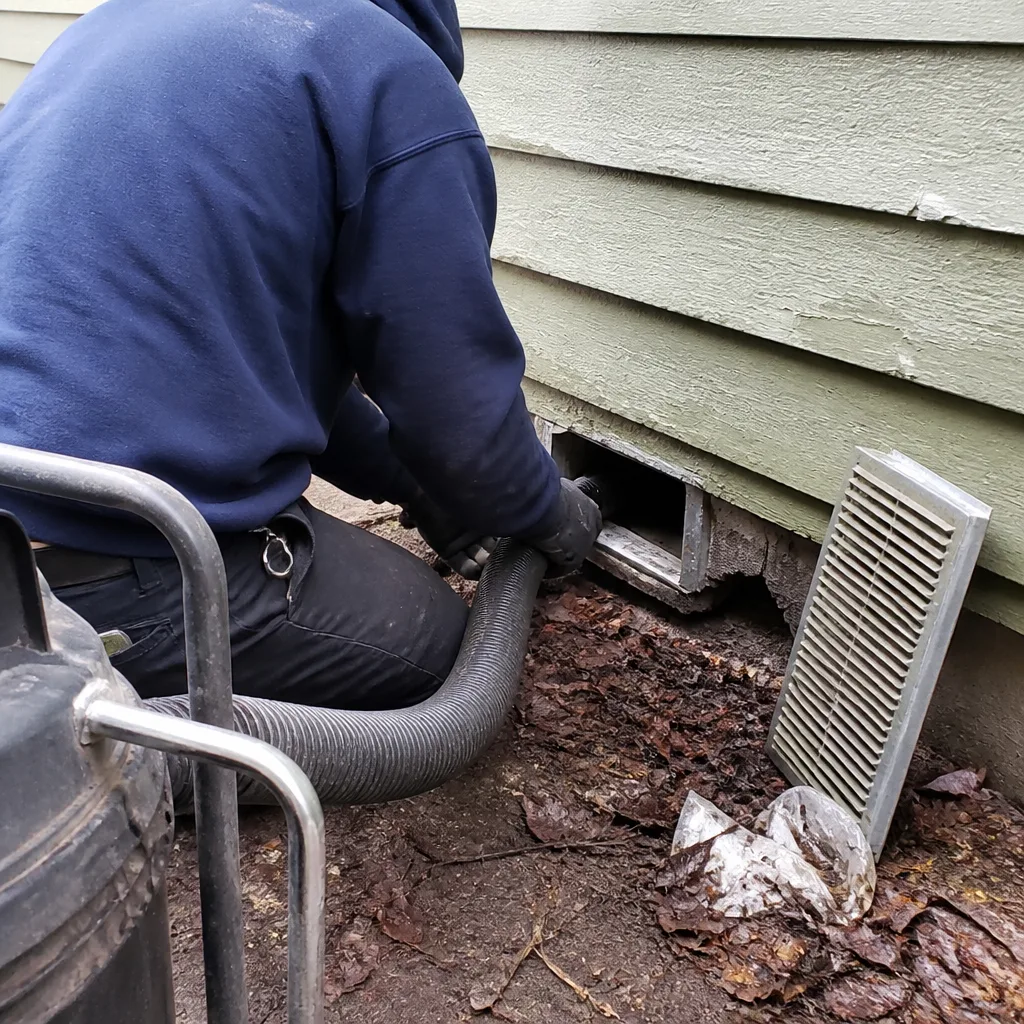 Before
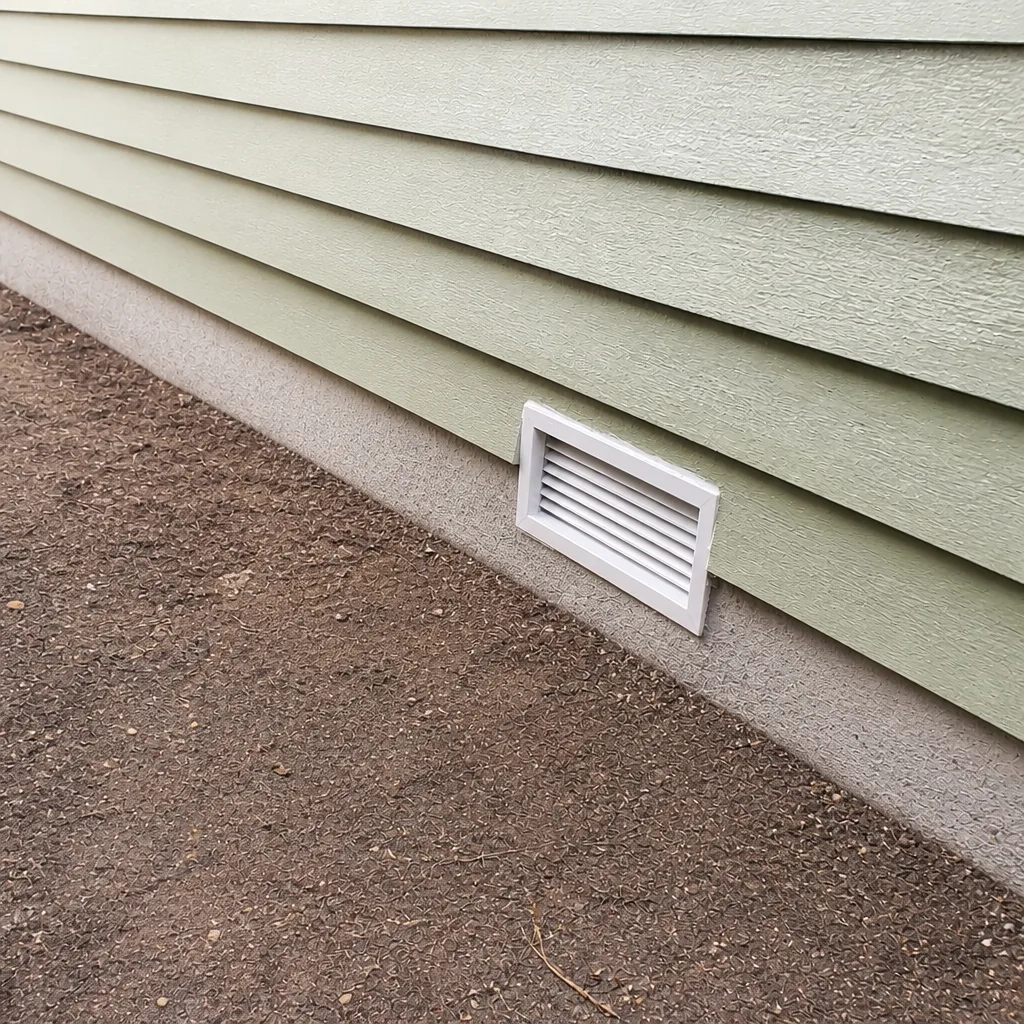 After
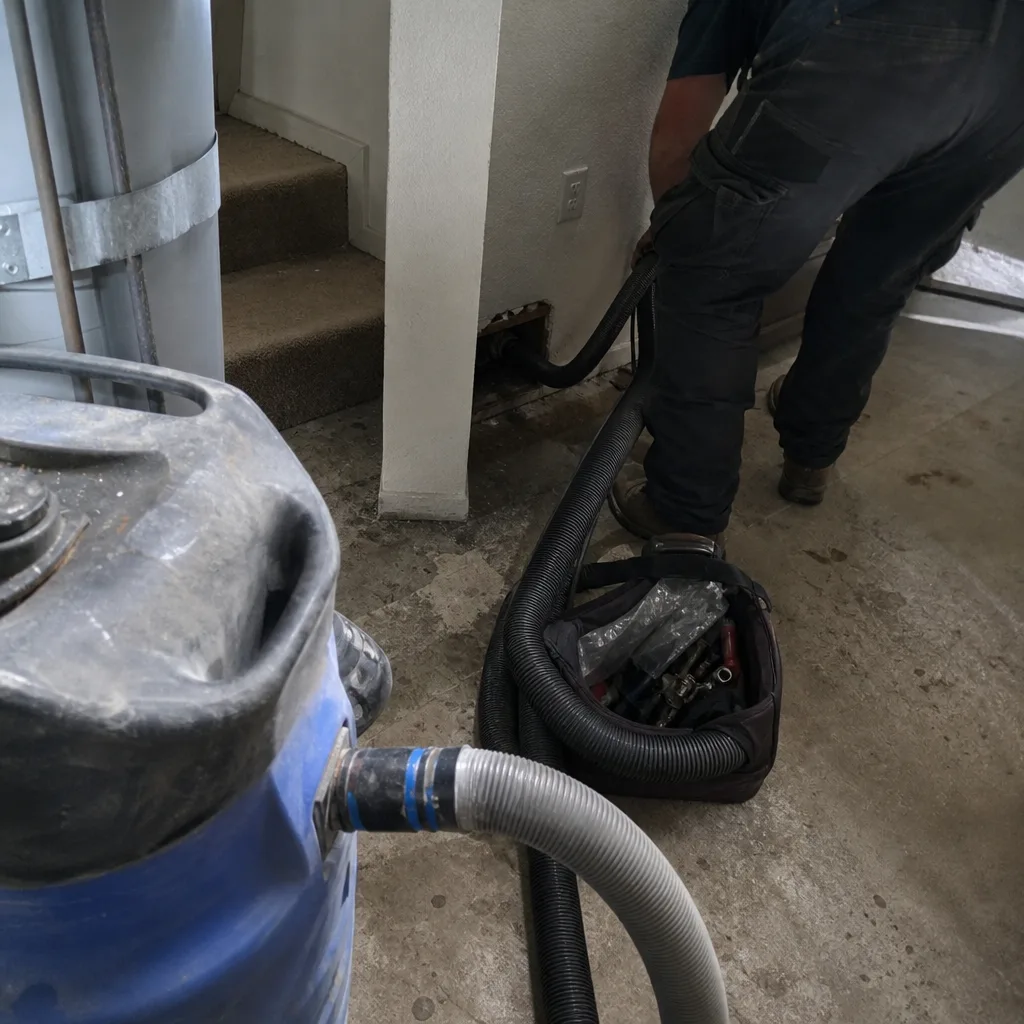 Before
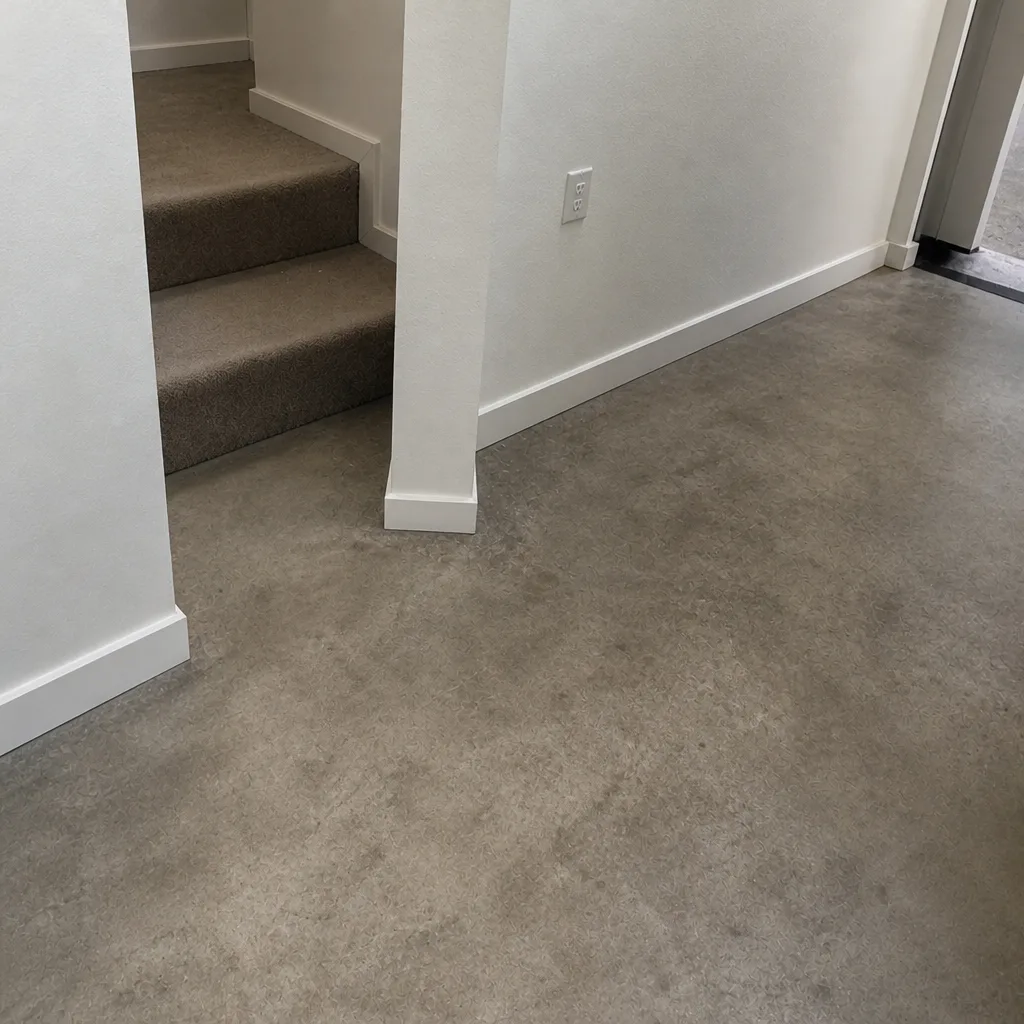 After
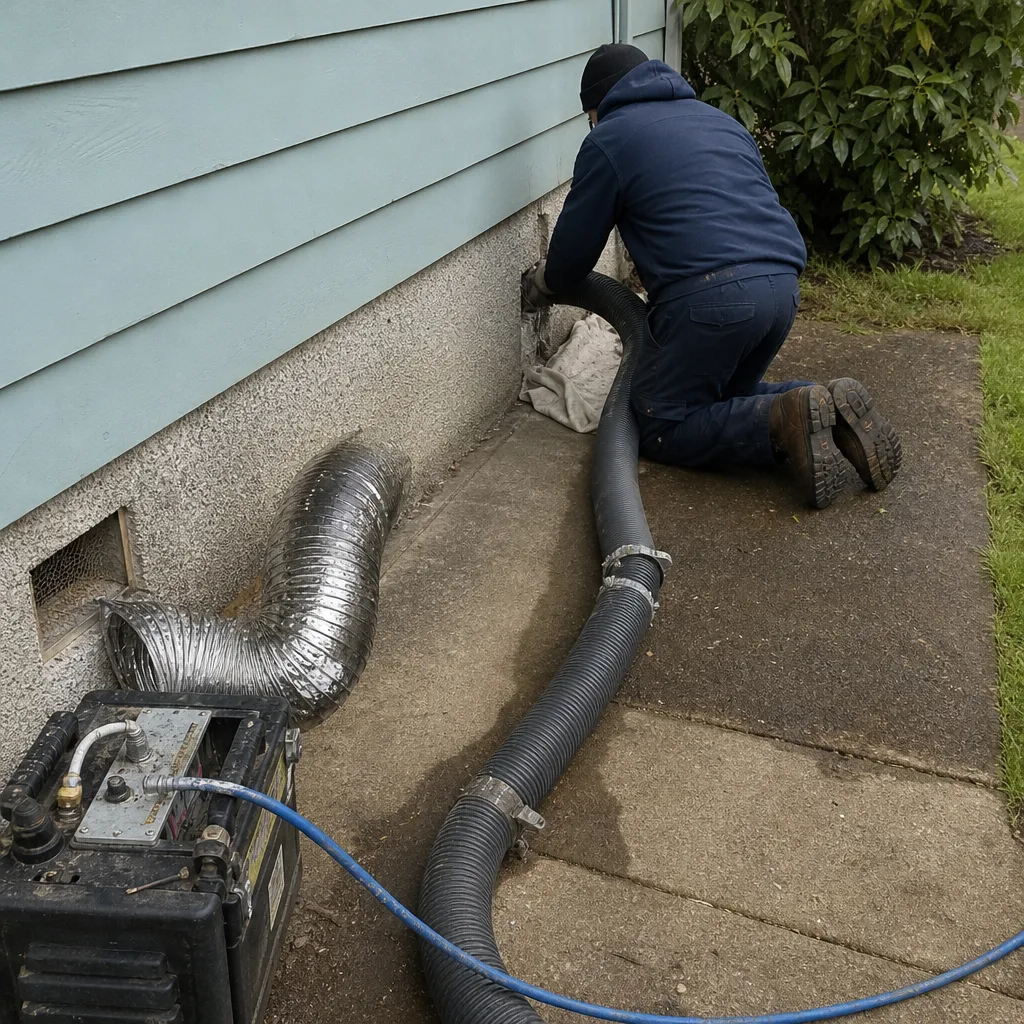 Before
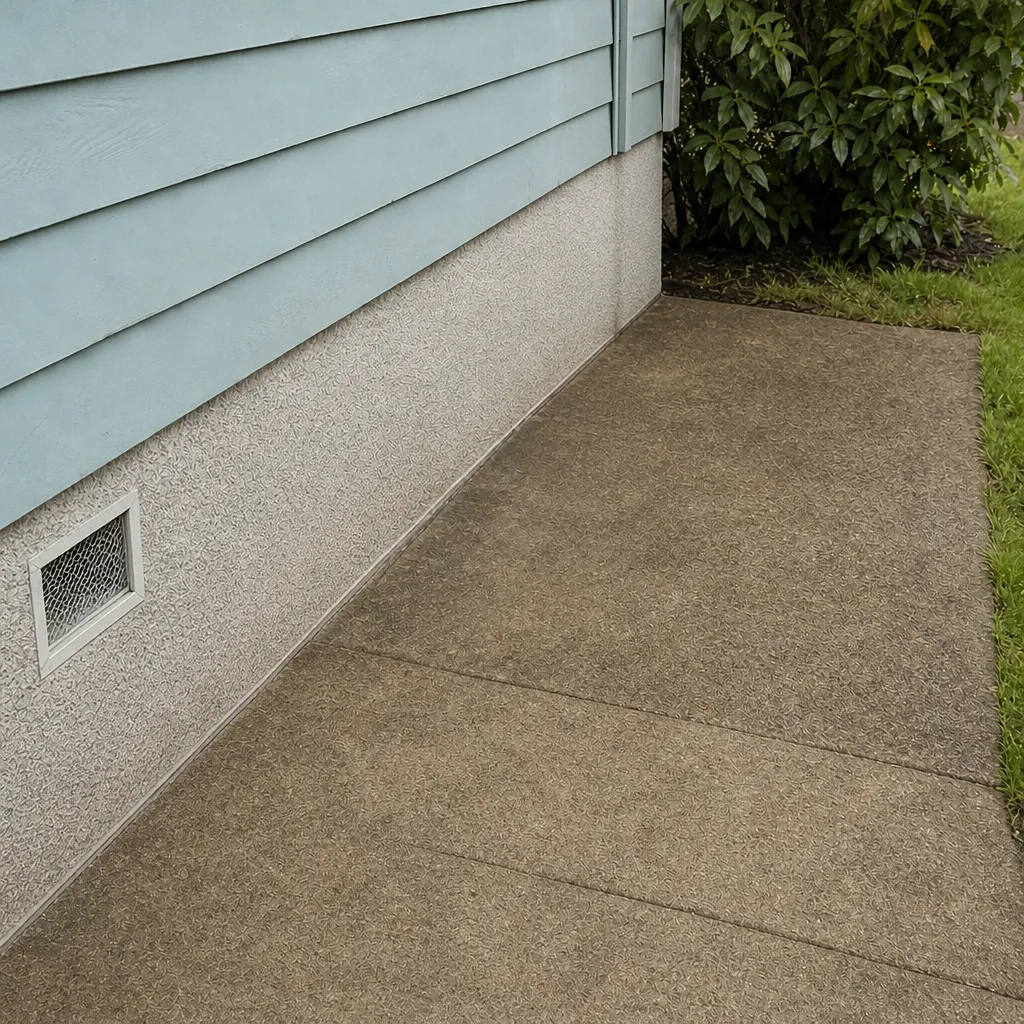 After
Common Mistakes to Avoid
- Cleaning only the registers. That’s the visible fraction of the system. The return plenum and coil housing hold the real debris; a register-only job misses both.
- Judging quotes by price alone. A per-vent quote for surface work will always undercut a whole-system quote. Compare scope, not just the number.
- Skipping the inspection. Without inspecting your system, no one can quote a complete job. A quote given blind is a guess, not an estimate.
- Cleaning a leaky system and stopping there. If the ducts leak, the clean is exposed to outside air and moisture. In Tacoma’s damp conditions, sealing first or alongside the clean is essential.
- Ignoring the coil and drain pan. A wet coil and drain pan support growth inside the air path. Cleaning the ducts but leaving these untouched is incomplete.
- Not asking for before-and-after photos. You shouldn’t have to trust a verbal claim. Documentation shows what was removed.
- Skipping the dryer vent. Dryer vent buildup is a fire risk. Cleaning it in the same visit is a small addition with a real safety payoff.
When to Call a Professional
Call a professional when dust is visibly blowing from the registers, when you notice a musty odor every time the system starts, or after a remodel or construction project that filled the return side with debris. Persistent allergy or asthma symptoms that seem worse indoors, a coil housing or drain pan that looks dirty on inspection, or a system that seems to run longer than it used to are all reasons to have the system looked at. A visible gap or loose joint in a duct run also warrants a call, because leaky ducts undercut any cleaning. Tacoma Air Duct Cleaning Pros offers free estimates in Tacoma. Call (877) 865-3172. We answer 24/7, and dispatch runs 7am to 7pm, Sunday through Friday. Our technicians have up to 9 years of experience, and every job is quoted as a whole-system price agreed in writing before work starts, with before-and-after photos as part of the job.
Frequently Asked Questions
A complete air duct cleaning in Tacoma includes the supply trunks, return plenums, the coil housing, the blower compartment, the drain pan, and the registers, not just the visible vents. The job uses negative air pressure for containment and brush agitation to remove caked-on debris, with before-and-after photos documenting the result. Anything limited to the registers is a partial clean. Call (877) 865-3172 for a free estimate.
Air duct cleaning is priced per system, not per vent, because a complete job covers the whole system rather than just the visible registers. A whole-system figure for a complete clean will be higher than a per-vent quote for surface work, which is why you compare scope alongside price. The written estimate sets the final price. Call (877) 865-3172 for an exact quote, and the estimate is free.
Cheaper quotes are usually cheaper because they’re a partial clean: a contact vacuum on the registers and accessible branches only, without cleaning the return plenum, coil housing, or drain pan. It’s a smaller job, so it costs less. The price is lower because the scope is smaller. Ask what the quote covers before you compare numbers. Call (877) 865-3172 for a whole-system estimate.
Ask for before-and-after photos of the ducts. Photos show exactly what was removed from the return plenum, trunks, and coil housing, and they remove the need to take a claim on trust. A reputable service documents its work as a standard step. Call (877) 865-3172 and we’ll walk you through what the documentation includes.
Yes, cleaning and duct repair and sealing can be done in one visit, and doing them together is the point. Cleaning a leaky system only to leave it exposed to outside air and moisture means the clean won’t hold up. Sealing alongside cleaning addresses the root cause. We can also handle dryer vent cleaning and sanitizing in the same visit. Call (877) 865-3172 to book an estimate.
Sanitizing is a separate step, and in Tacoma’s damp climate it’s often worth doing because moisture and a wet coil support surface growth that cleaning alone doesn’t address. We sanitize with Abatement Technologies systems and Guardsman-grade solutions, then install Honeywell and Aprilaire components to keep the improvement going. Whether you need it depends on what a look at your system turns up. Call (877) 865-3172 to talk it through.
The Bottom Line
Air duct cleaning in Tacoma isn’t a single service applied to your vents. It’s a whole-system job that includes the supply trunks, return plenums, coil housing, and drain pan, done with negative pressure for containment and brush agitation to remove what vacuum alone can’t lift. Tacoma’s damp climate makes moisture and duct sealing central to a result that lasts, and it makes sanitizing a meaningful step rather than an add-on. When you compare quotes, compare scope and equipment, not just the price. Ask for before-and-after photos, ask what’s included, and get a whole-system price agreed in writing before anything begins. Our team works with Rotobrush and Nikro systems, cleans and seals, sanitizes with Abatement Technologies, and handles your ducts, HVAC system, dryer vent, and air quality in one visit.
Call Tacoma Air Duct Cleaning Pros at (877) 865-3172 for a free estimate. We answer 24/7, with fast dispatch from 7am to 7pm, Sunday through Friday. Whether you need a complete cleaning or just want to know what your system looks like inside, air duct cleaning starts with an inspection and a clear whole-system quote.
Written by the team at Tacoma Air Duct Cleaning Pros.