
Last updated November 23, 2026
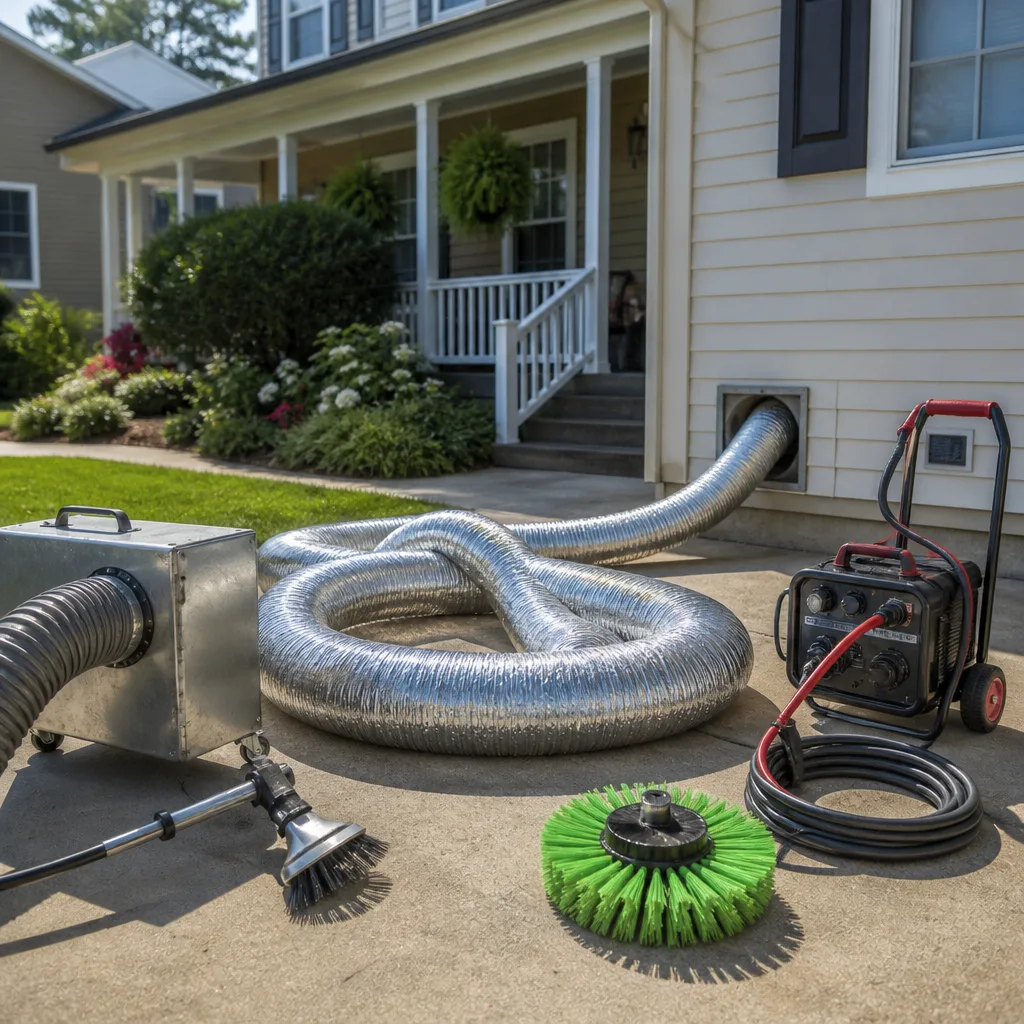 Whole-home duct cleaning
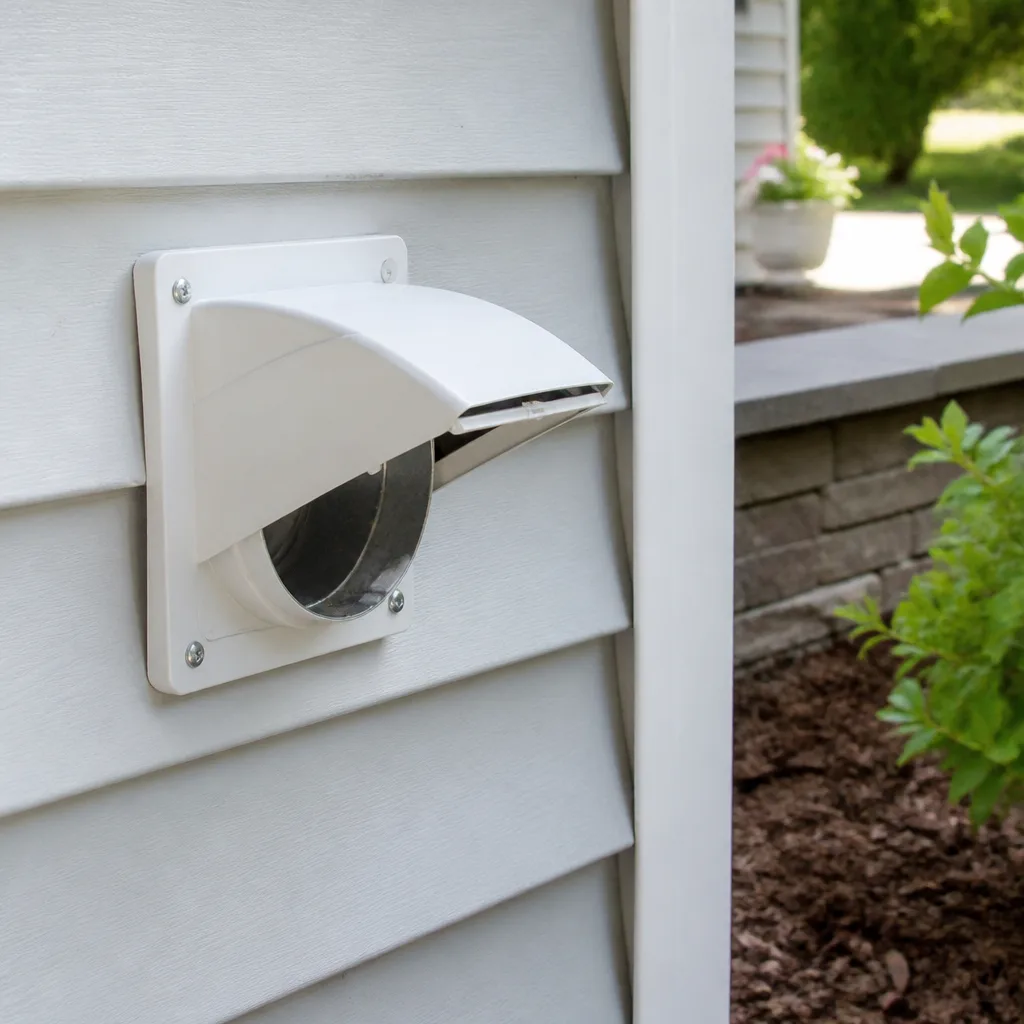 Dryer vent cleaning
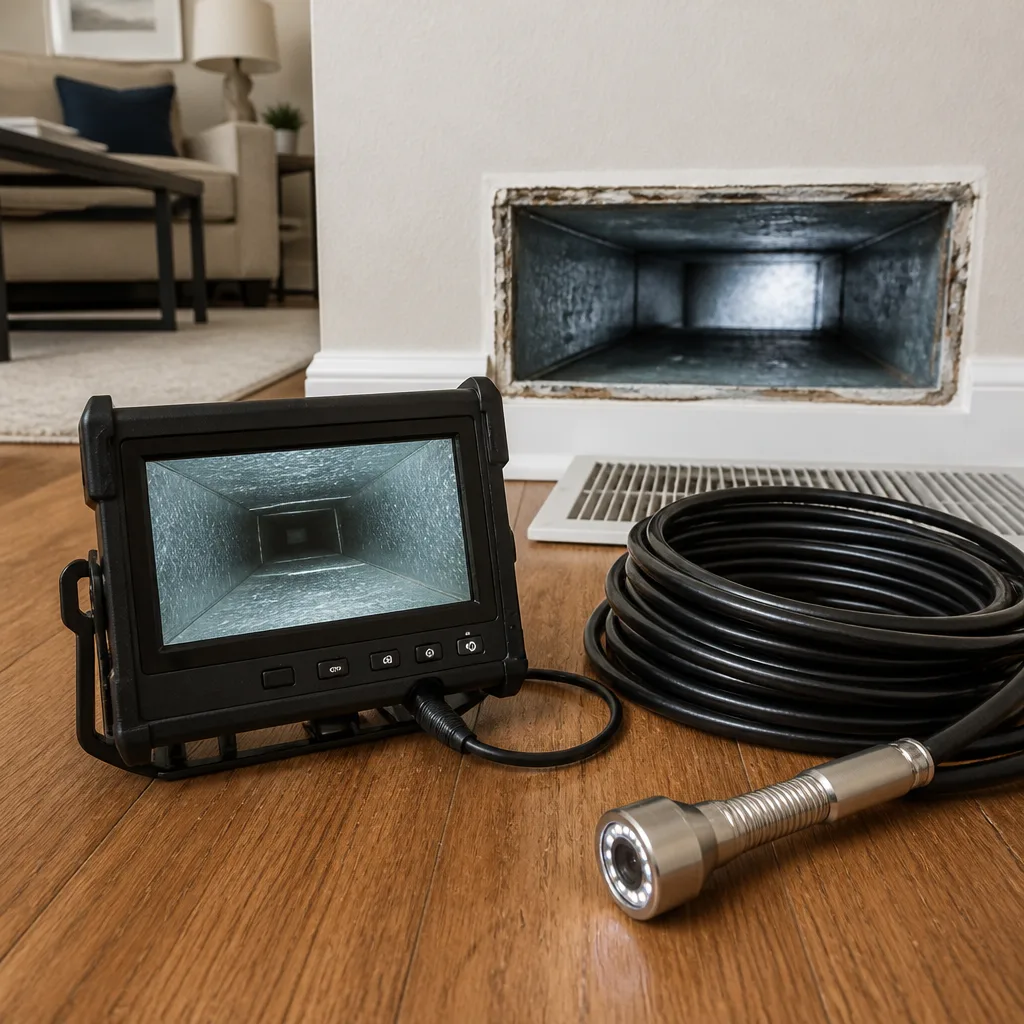 Camera inspection
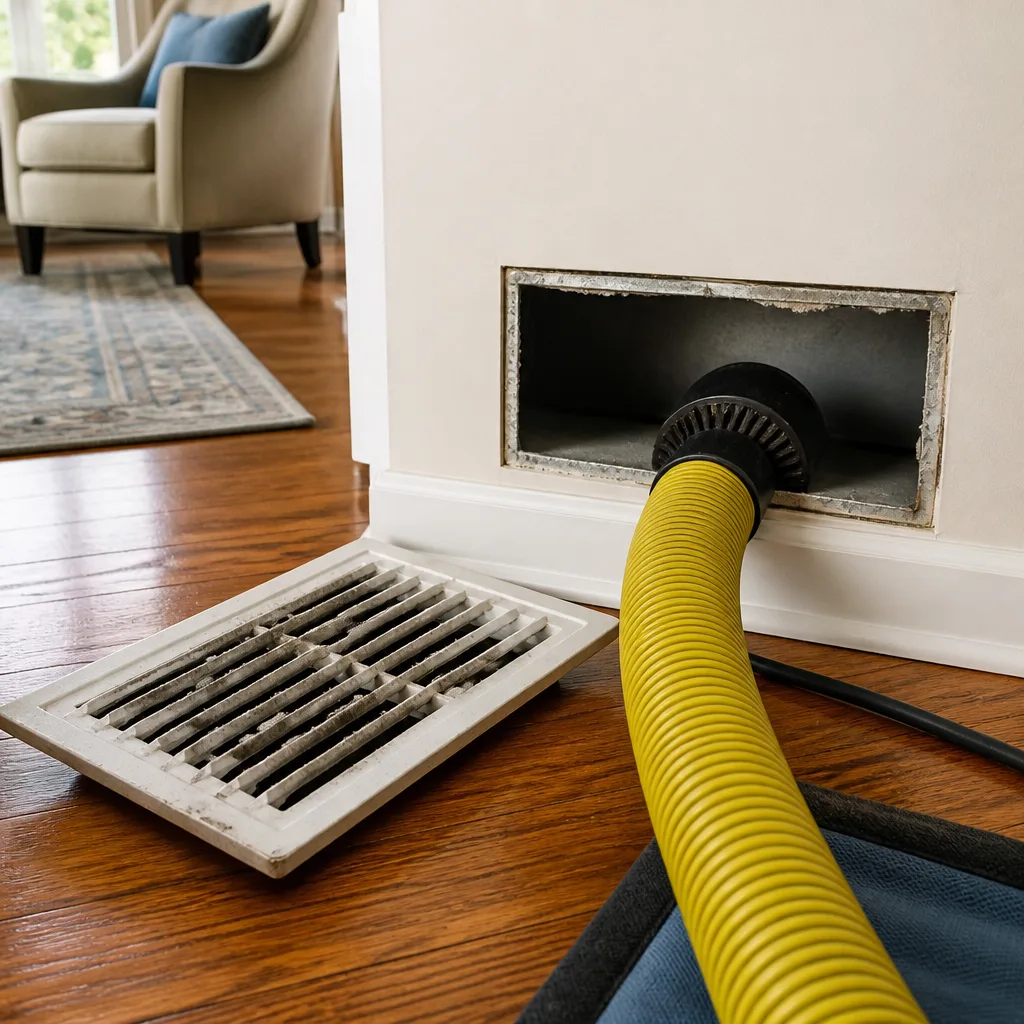 Sanitizing & deodorizing
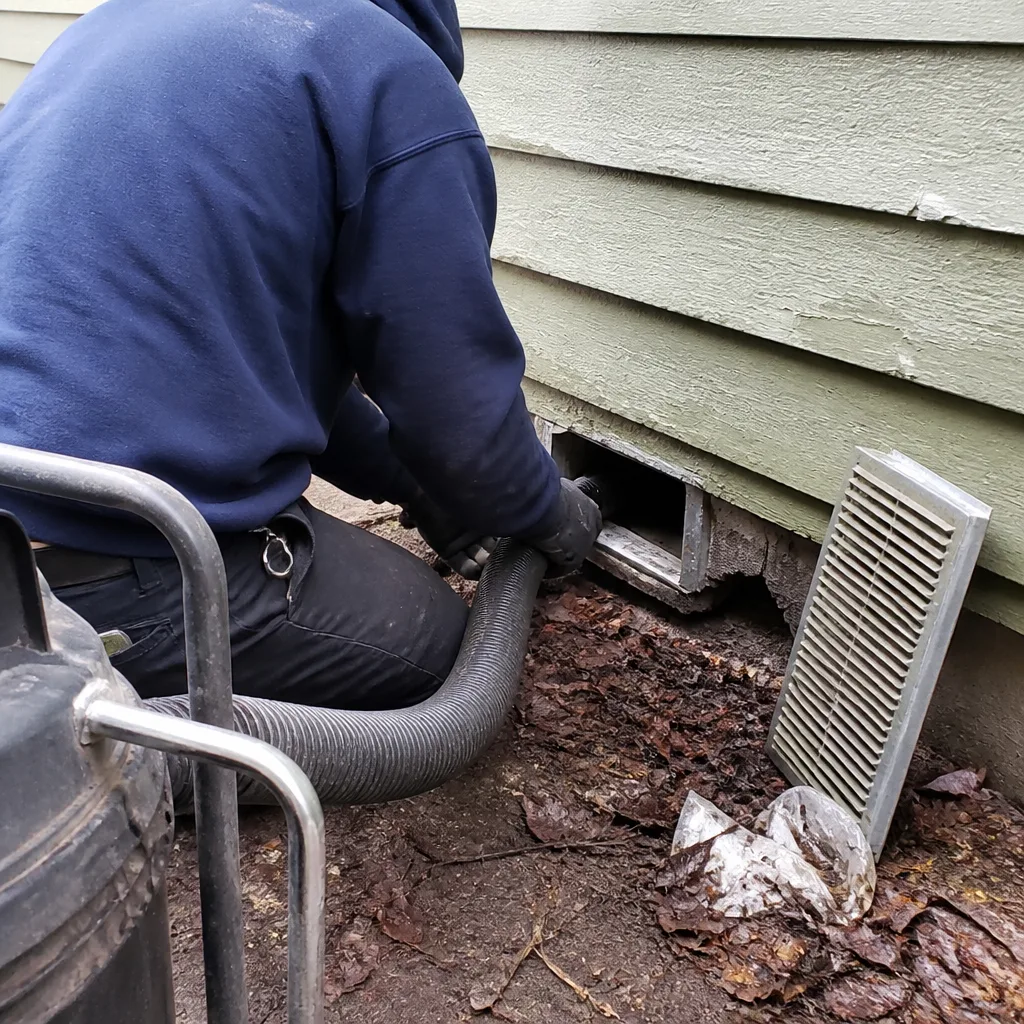
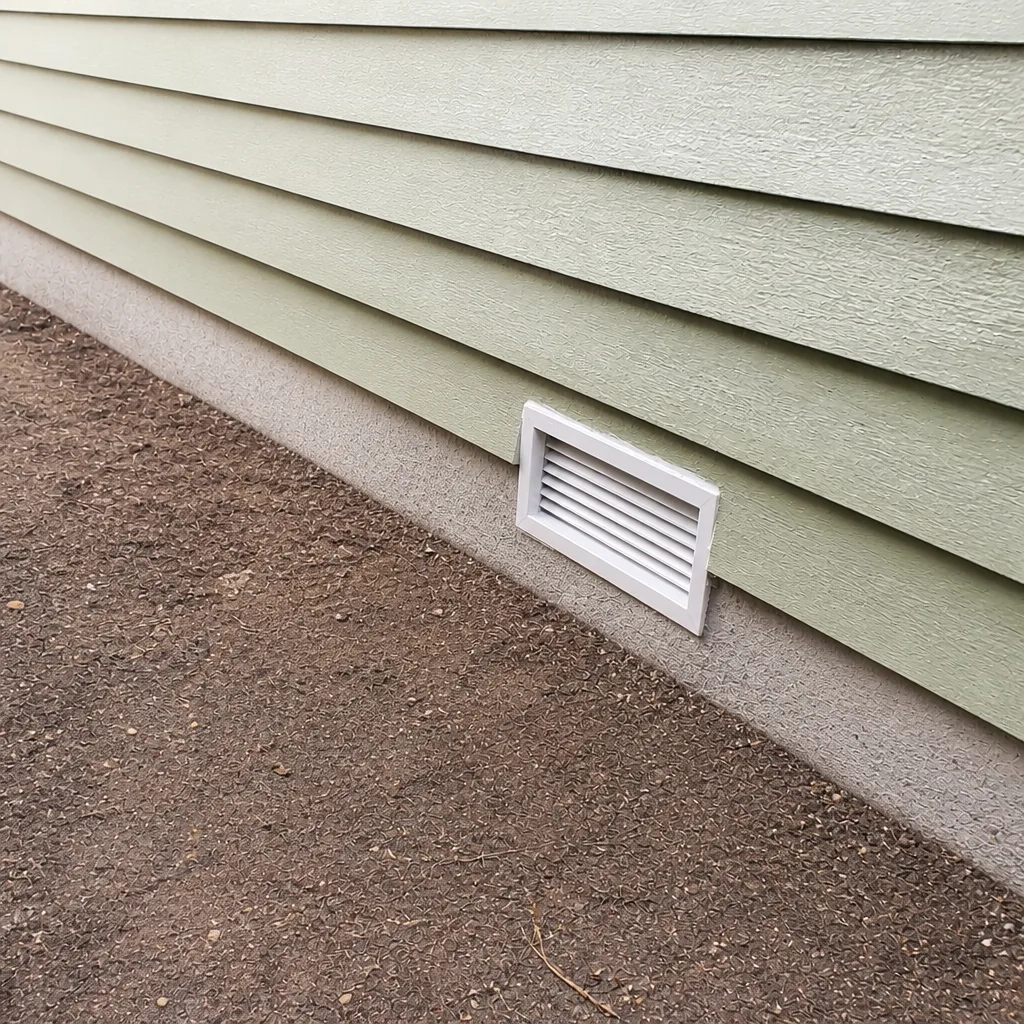
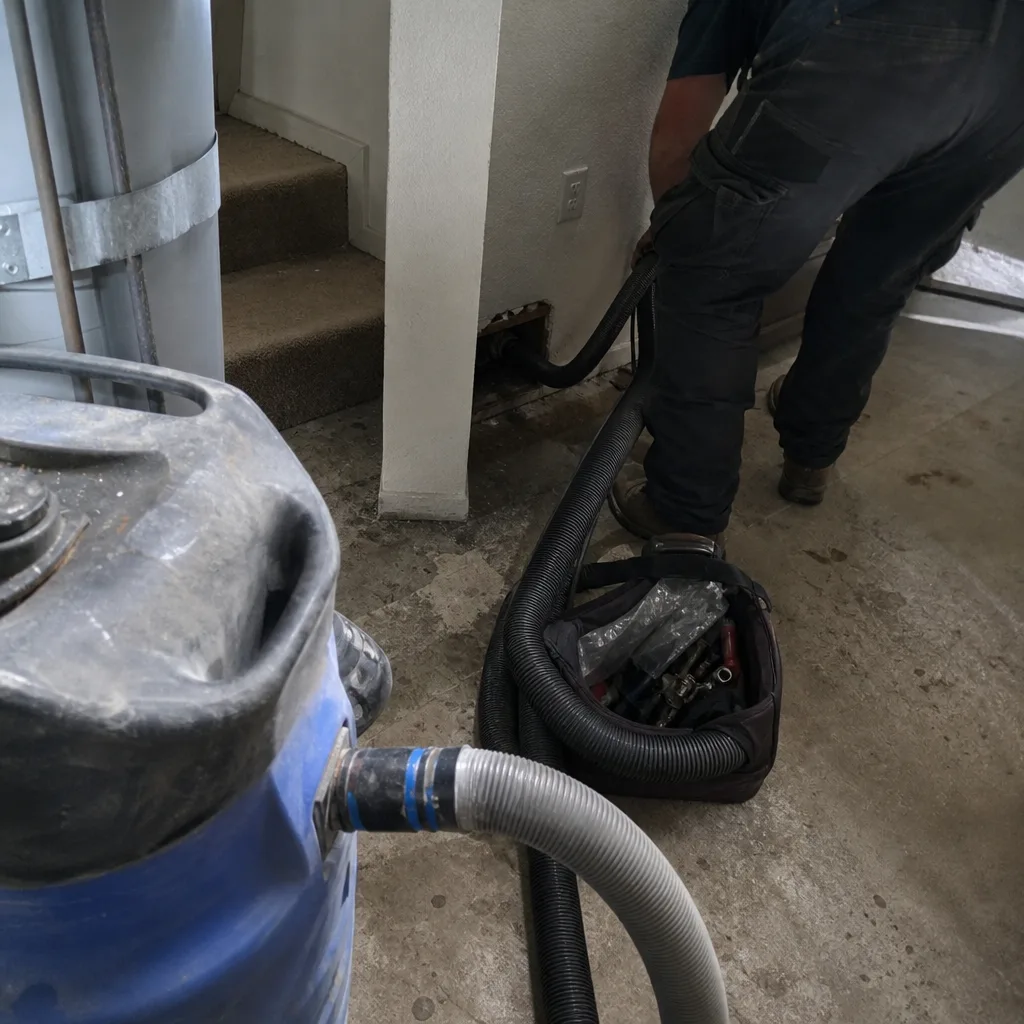
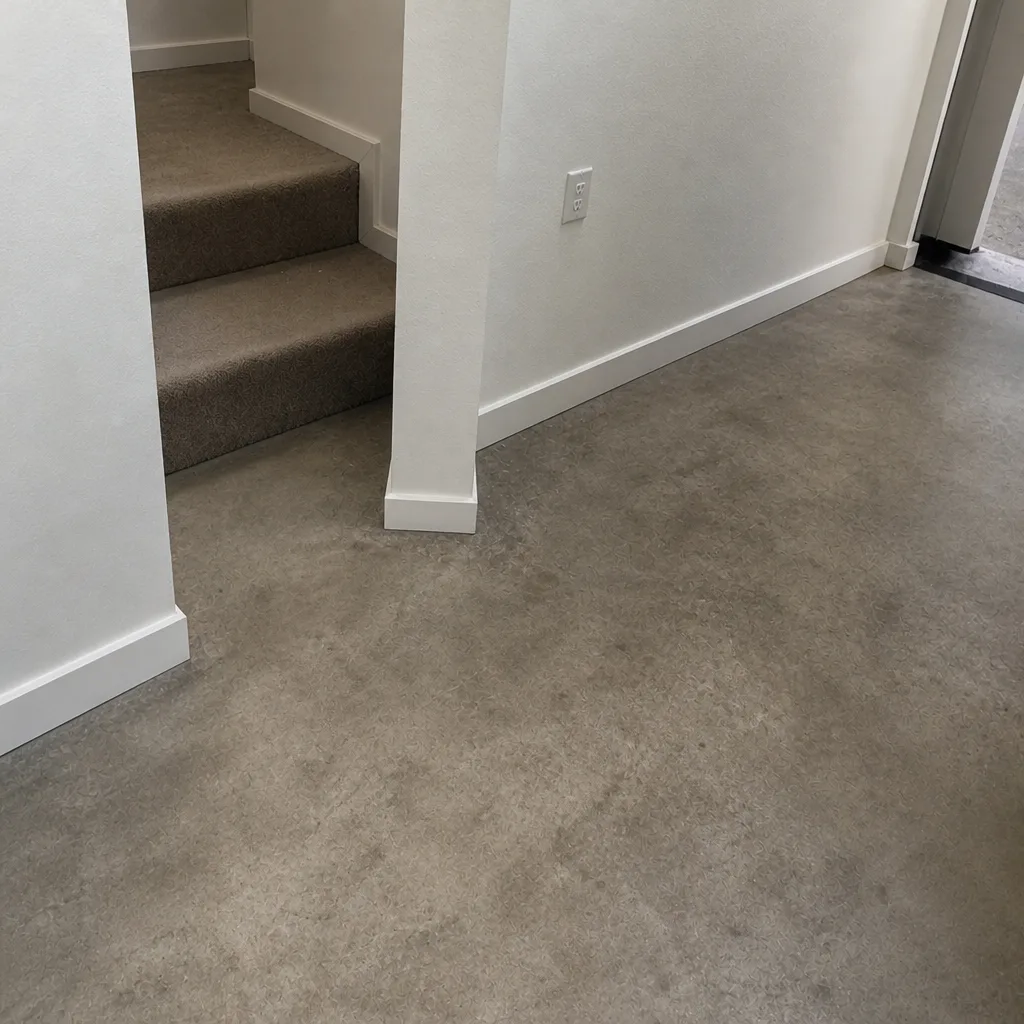
Whole-system duct and dryer vent check with before-and-after photos - you see exactly what came out of your vents
That "$99 whole-house special" is a bait ad - the real number appears once they are in your hallway, or the "clean" is a shop-vac at the register. We photograph the inside of your ducts before and after instead.
Air Duct Cleaning Permits, Codes & Inspections in Tacoma, WA: What You Need to Know
Most people assume duct work sits outside the building code. It doesn’t. Cleaning your ducts is maintenance and needs no permit in Tacoma. Cutting into a duct run, re-routing it, or sealing a joint with mastic or foil tape can tip the same job into regulated mechanical alteration under Washington’s mechanical code, and that is the line most homeowners never hear about until an inspection or a sale brings it up. This guide walks through where cleaning ends and alteration begins in Tacoma, what WAC 51-52 actually covers, how pierce county building rules treat duct sealing, and what paperwork to keep when ducts are touched during an HVAC change-out.
Quick Answer
In Tacoma, routine air duct cleaning and dryer vent cleaning do not require a permit. Repairing, re-routing, or resealing ductwork beyond simple joint upkeep is treated as mechanical alteration in Pierce County, and permits and inspections generally apply under the Washington State Mechanical Code (WAC 51-52). Before any duct repair is scheduled, ask the contractor whether the scope crosses from maintenance into alteration, and ask to see their Washington L&I contractor registration.
Styles & brands we work with
- Whole-home duct cleaning
- Dryer vent cleaning
- Camera inspection
- Sanitizing & deodorizing
Table of Contents
- Cleaning vs. alteration: where the line sits
- What WAC 51-52 covers for duct systems
- Pierce County permits and inspections
- Duct sealing: mastic, foil tape, and the permit question
- Verifying a contractor’s L&I registration
- Documentation to keep during an HVAC change-out
- What an inspector actually looks at
- How to spot a contractor cutting corners
Cleaning vs. alteration: where the line sits in Tacoma
Cleaning removes what’s inside the duct. Alteration changes the duct itself. That’s the clean split, and it’s the one Pierce County building staff work from when they decide whether a permit is triggered. A contractor running a Rotobrush or Nikro system through existing ductwork is cleaning. A contractor cutting out a section of flex duct, splicing in a new length, moving a register, or re-routing a return is altering the mechanical system.
What counts as cleaning (no permit needed):
- Source-removal vacuuming and mechanical agitation of duct interiors
- Dryer vent cleaning from the appliance end to the exterior termination
- HVAC coil, blower, and plenum cleaning without disconnecting or moving the equipment
- Sanitizing with Abatement Technologies equipment after cleaning
- Replacing a register grille or filter without changing the duct
What counts as alteration (permit review likely):
- Cutting a new supply or return run into a trunk line
- Re-routing a run to serve a new room or a reworked layout
- Replacing a length of duct beyond a simple joint repair
- Resealing a system as part of a broader mechanical change
- Changing the duct design as part of an HVAC equipment swap
In Tacoma, older homes in neighborhoods like North End and Proctor often carry unusual duct layouts from past remodels. Cutting into those runs without knowing the code picture is where people get tripped up. If a contractor proposes a “repair” that leaves the pipe sizes or routing different than they were, ask whether a permit is required before work starts.
What WAC 51-52 covers for duct systems
WAC 51-52 is the Washington State Mechanical Code. It adopts and amends the International Mechanical Code for use across the state, which means Pierce County and the City of Tacoma both work from the same baseline. For duct work, the provisions that matter most cover duct construction, sealing, support, and the requirement that alterations to existing mechanical systems meet the same standard as new installations.
In practical terms, here’s what the code section affects on a typical residential duct job:
- Materials and construction: duct materials must be listed and labeled for their use. That means a contractor shouldn’t substitute a plastic flex length for a rigid trunk without meeting the code’s requirements.
- Sealing: joints and seams in duct runs must meet leakage standards for the system’s class. In an existing home, “I taped over the gap” isn’t the same as a code-compliant seal.
- Support: duct runs must be supported at code spacing to prevent sag.
- Alterations: when a duct system is altered, the altered portion must meet the same standard as a new install.
- Terminations and clearances: dryer exhaust and duct terminations have specific requirements under the same code family, which is one reason dryer vent cleaning is more than a lint pull.
You don’t need to memorize WAC 51-52 to own a home in Tacoma. You do need to ask any contractor authorizing a duct repair which sections apply and whether a permit will be pulled. A contractor who can answer that without hand-waving is one who understands the code. The Washington State Building Code Council publishes the adopted text if you want to read it directly.
Pierce County permits and inspections
In Pierce County, mechanical permits are issued through the county or through the City of Tacoma’s building department, depending on the address. The general rule: a permit is required when a mechanical alteration changes the system’s function, routing, or capacity. Cleaning does not trigger a permit. Resealing to code as part of a repair usually does.
When a permit is required for duct alteration, here’s how the process usually runs:
- Permit application: the contractor files the scope of work with the local authority having jurisdiction.
- Plan review: for most residential alterations, the review is over the counter; for larger scope, plan-review turnaround can take days.
- Work performed: duct alterations are completed to the plan on the permit.
- Inspection: an inspector examines the sealed and supported ductwork, sometimes including a duct blaster test, before the job is signed off.
- Final sign-off: the permit is closed and the inspection record belongs with the homeowner.
One thing to keep straight: Pierce County inspection rules apply whether the duct alteration happened during a full HVAC swap or a standalone repair. If you sell a Tacoma home and the buyer’s inspector finds unpermitted mechanical alteration, that’s a problem in escrow, not just a phone call. Keeping the permit documentation with your home records saves a lot of back-and-forth later.
Duct sealing: mastic, foil tape, and the permit question
Duct sealing with mastic is usually maintenance when it’s touching up a leaking joint on an otherwise intact system. It crosses into alteration when the sealing is part of a broader repair, when it’s paired with a duct modification, or when the scope involves resealing runs that were previously not code-compliant. Foil tape on a register collar is maintenance. Foil tape after cutting a length out of a trunk is not.
The practical test we walk homeowners through:
- Is the duct being opened or cut? If yes, treat the work as alteration and check the permit question.
- Is the duct route or size changing? If yes, alteration.
- Is the seal part of a larger system change? If yes, the seal falls under the same permit.
- Is it spot-sealing a leaking joint on otherwise untouched duct? Usually maintenance.
Our own approach is straightforward. We clean, we repair, and we seal – using the same Rotobrush and Nikro equipment for the cleaning side of the job and code-appropriate materials for the sealing side. But we don’t treat a repair-and-reseal as background maintenance when the scope crosses into alteration. That’s the moment where air duct cleaning and code compliance stop being unrelated.
The short version: if the “seal” work looks like a repair, ask about the permit. If it’s just maintenance, it isn’t. The contractor should welcome the question. If they flinch, that tells you something.
Verifying a contractor’s L&I registration
Washington requires anyone doing construction work for pay – including duct cleaning and duct repair – to register with the Department of Labor & Industries. The registration is not a trade license. It’s a business registration that carries bonding and insurance requirements, and it’s what you check before letting anyone work in your home.
How to check a contractor’s L&I status, step by step:
- Ask for the contractor’s UBI or registration number up front.
- Go to the L&I website and enter the number in the “Verify a Contractor” tool.
- Confirm the business name on the registration matches the name on the estimate and invoices.
- Confirm bond and insurance are active, not just on file.
- Ask whether the people doing the work are employees or subcontractors, and confirm the registration covers both.
The distinction that matters: L&I registration is about who is legally allowed to contract for construction services in Washington. It is not a certification in duct cleaning, and it’s not a mechanical endorsement. A registered contractor can still be sloppy. But an unregistered contractor cannot legally contract for the work at all, and that’s a hard line to care about.
If a contractor tells you the “license” number doesn’t apply to duct cleaning, ask again. Cleaning is on the list of services that require registration in Washington. The only wrinkle is that some companies do duct cleaning under a general contractor registration rather than a mechanical one. Either is verifiable in the L&I lookup, which is the whole point.
Documentation to keep during an HVAC change-out
When duct work happens alongside an HVAC system change-out, the paper trail matters more than the duct repair itself. The permit and inspection records from a change-out are also your proof that the ducts connected to the new system were handled correctly – and they turn into something a future buyer’s inspector will want to see.
What to request and keep:
- Copy of the mechanical permit, with the permit number
- Signed scope of work describing duct cleaning, repair, and sealing that was done
- Inspection record or final sign-off from the authority having jurisdiction
- Photo documentation of before-and-after duct condition (before the ducts are buttoned up)
- Invoice that names the contractor, their L&I registration number, and the address where the work was performed
- Note of the date and the equipment used (Rotobrush, Nikro, or the specific cleaning system)
We recommend a simple filing system: one folder, digital or physical, per home, and a fresh sheet each time a system is touched. On HVAC cleaning jobs and change-outs, our technicians photograph the duct condition on both sides of the cleaning so the record is complete whether a permit was required or not. If a permit is required, we work with the permit holder on the documentation.
The reason this matters in Tacoma specifically: Pierce County inspectors want to see the paperwork trail match what’s in the wall. If a change-out on a West End or South Tacoma home has a permit record and a duct-cleaning record that don’t line up, that’s the first red flag.
What an inspector actually looks at
When a Pierce County inspector examines duct alteration, they aren’t scoring the cleaning job. They’re checking that the altered portions of the system meet code. That usually means looking at sealing quality, support, and whether noncompliant materials were removed. On systems with significant leakage concerns, the inspector may request a duct leakage test, usually a duct blaster, which measures CFM of leakage at a given static pressure.
The usual inspection checklist:
- Duct materials are listed for use and match the plans
- Joints and seams are sealed per the class of the duct
- Supports are at required spacing
- Clearances at equipment and penetrations are maintained
- Terminations and dryer exhaust meet the required clearances
- No unauthorized substitutions of duct material or design
We’ve seen the inspection end of this become a paperwork issue more often than a duct issue. If the duct alteration was done right, the inspection is uneventful. If it was done with a foil-tape shortcut and no permit, the inspector catches it, and the homeowner has to open up a portion of the system to fix it. Getting the permit question right up front avoids all of that.
How to spot a contractor cutting corners
Most duct cleaning work in Tacoma is straightforward, and most contractors do it honestly. The few who cut corners usually follow a pattern. Look for it before you sign anything.
- No L&I number on the estimate. A legitimate estimate lists the registration number. If the number is missing or hand-written in later, ask why.
- The “we don’t need a permit for cleaning” deflection. True, but the question is whether the work is actually cleaning. If a repair is being bundled in, the contractor needs to answer the permit question, not dodge it.
- No mention of inspection during a duct alteration. If a repair crosses into alteration, inspections are part of the process. A contractor who never brings them up is signaling they don’t intend to pull a permit.
- Vague equipment. Real cleaning uses named equipment – Rotobrush, Nikro, Abatement Technologies – not “high-powered vacuums.” If the contractor can’t name their system, ask why.
- No before-and-after photos offered. Duct cleaning is invisible. Photos are how you know the work happened. A contractor who waves that off is telling you something.
- Sealing work described as “free” during a cleaning. Free is fine if it’s a mastic touch-up on a joint. Free during a bigger repair is a sign the permit question is being skipped.
- Cash-only or unsigned scope of work. A signed scope of work is what a future inspector or buyer will want to see. No paper, no protection.
None of these is a single red flag that means “walk away.” Two or three together, though, and you’re looking at a contractor who treats code and documentation as a nuisance. That’s the wrong attitude for a system that lives inside your walls.
Common Mistakes to Avoid
- Treating cleaning and alteration as the same job. Cleaning is maintenance. Alteration is regulated. Ask which one your scope of work is, in writing, before the technician starts.
- Skipping the permit to save time. In Pierce County, a failed inspection on unpermitted mechanical alteration can mean opening up finished walls to fix work that would have been inspected anyway.
- Assuming a “certification” is a license. Washington uses L&I registration for construction work, not a duct cleaning certification. Check the registration, not a certificate in a frame.
- Letting a contractor substitute duct materials without documentation. A different flex length, a different diameter, or a different fitting can push a repair out of maintenance and into alteration under WAC 51-52.
- Not keeping the inspection record. In Tacoma, that record becomes part of the home’s mechanical history and it matters at resale. Keep it with your other home documents.
- Skipping dryer vent documentation. Even when the dryer vent cleaning is maintenance, the termination and clearance checks tie back to the same code section that covers duct terminations.
- Using sealant as a substitute for repair. Mastic over a failing joint hides the failure without fixing it. The permit question is a symptom; the underlying repair is the point.
See the difference
 Before
 After
 Before
 After
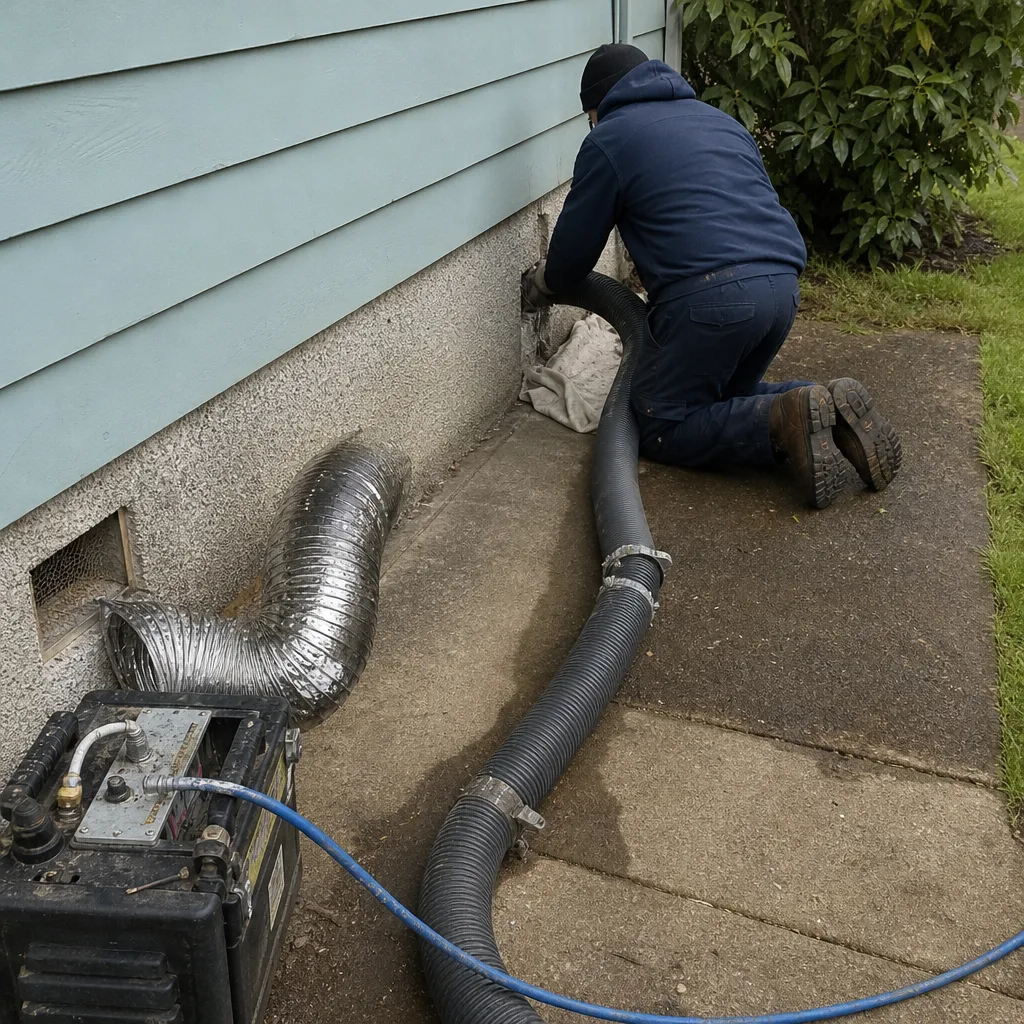 Before
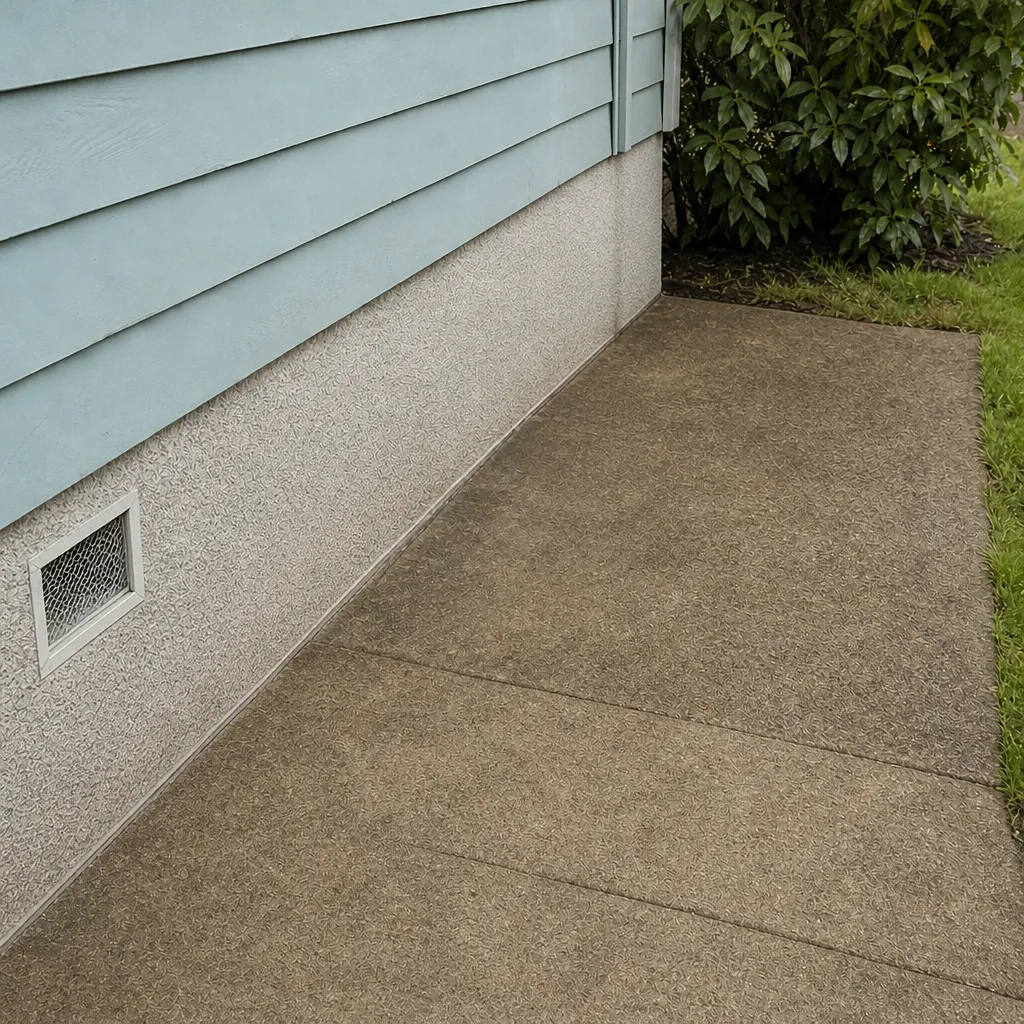 After
When to Call a Professional
If a duct system has visible gaps, sagging runs, or a joint that’s been duct-taped more than once, we’d recommend an assessment before deciding whether the fix is maintenance or alteration. If a home is in Tacoma and the ducts are original to an older house, the layout almost always needs a walk-through before anyone commits to a repair plan. The same is true if a recent HVAC change-out left the duct picture unclear, or if a contractor has proposed “resealing” that sounds like more than spot sealing. And if a home inspection has flagged mechanical alteration on ductwork, the first step is looking at what was done – not pulling another cleaning quote. Tacoma Air Duct Cleaning Pros offers free estimates in Tacoma – call (877) 865-3172 for a free estimate. We answer 24/7. Fast dispatch from 7am to 7pm, Sunday through Friday.
Frequently Asked Questions
No. Routine air duct cleaning, dryer vent cleaning, and HVAC cleaning are maintenance and don’t require a permit in Tacoma. A permit becomes a question when the work crosses into duct alteration – cutting, re-routing, replacing duct runs, or resealing as part of a repair. Ask the contractor to describe the scope of work as either cleaning or alteration, in writing, before the job starts. Call (877) 865-3172 for a free estimate on a Tacoma duct cleaning job and we’ll spell out what the scope actually is before we arrive.
Usually not, if it’s spot-sealing a leaking joint on an otherwise untouched system. It crosses into permit territory when the seal is part of a larger repair, when the seal accompanies a duct modification, or when the sealing is being used to bring a previously noncompliant run up to code as part of an alteration. The test we use: if the duct was opened, resized, or re-routed, treat the seal as alteration and check with Pierce County or the City of Tacoma building department. Call (877) 865-3172 for a free estimate if you’re unsure which side of the line your job sits on.
Ask for their Washington L&I contractor registration number, then look up that number on the L&I “Verify a Contractor” tool. Confirm the business name on the registration matches the estimate and invoices, and confirm that bond and insurance are active. L&I registration is a business registration, not a trade certification – a registered contractor can still do sloppy work, but an unregistered one shouldn’t be contracting for the job at all. Call (877) 865-3172 for a free estimate from a Tacoma team whose registration you can check before we start.
Keep the mechanical permit (if one was pulled), the signed scope of work, the inspection record from the authority having jurisdiction, before-and-after photos of the duct condition, the invoice with the contractor’s L&I number and the property address, and a note of the equipment used. Those records become part of the home’s mechanical history and they matter at resale. Call (877) 865-3172 for a free estimate and we’ll walk you through what our documentation package includes.
WAC 51-52 is the Washington State Mechanical Code, which adopts the International Mechanical Code for residential and commercial ductwork with state-specific amendments. For duct jobs, the relevant requirements concern duct construction, materials, sealing, support, and the requirement that alterations to existing systems meet the same standard as new installs. You can read the adopted text through the Washington State Building Code Council. If a Tacoma contractor can’t tell you which sections apply to a proposed repair, that’s the moment to call (877) 865-3172 for a free estimate and a second opinion.
It can. A buyer’s home inspector will look at the duct system, and the sale paperwork usually asks whether permits were pulled for prior mechanical work. Unpermitted alteration on the ducts is a common discovery in Tacoma sales and it can stall escrow until it’s documented or corrected. If you’re not sure whether a past repair crossed the line, an assessment before listing is cheaper than discovering it under contract. Call (877) 865-3172 for a free estimate.
The Bottom Line
Cleaning is maintenance. Alteration is regulated. That’s the whole guide in two lines, and the line between them in Tacoma is drawn by WAC 51-52 and Pierce County’s permit process. Duct cleaning and dryer vent cleaning need no permit. Duct repair, re-routing, and any resealing that’s part of a broader repair usually does. Verify the contractor’s L&I registration before the work starts, ask for the scope of work in writing, and keep the permit and inspection records with the home. Our technicians have up to 9 years of experience and we use Rotobrush and Nikro systems and Abatement Technologies sanitizing equipment – named equipment, signed scope of work, documentation you can hand to a buyer’s inspector. If a duct system in Tacoma needs more than a clean, we’d rather have the permit conversation up front than hear about it in escrow.
Call (877) 865-3172 for a free estimate. We answer 24/7. Fast dispatch from 7am to 7pm, Sunday through Friday, closed Saturday. One call covers Tacoma Air Duct Cleaning Pros, your ducts, your dryer vent, and your air quality questions – and we’ll be honest about what’s cleaning and what’s code.
Written by the team at Tacoma Air Duct Cleaning Pros.