
Last updated November 23, 2026
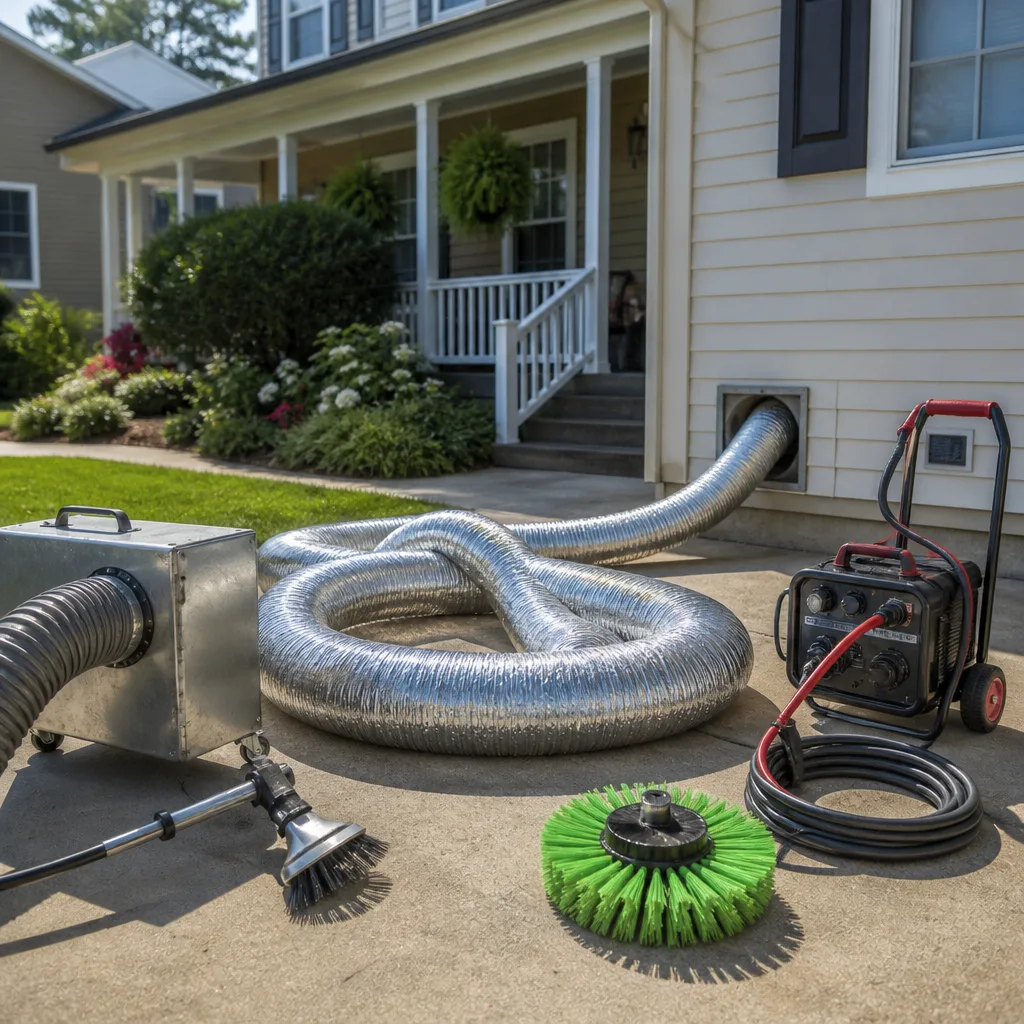 Whole-home duct cleaning
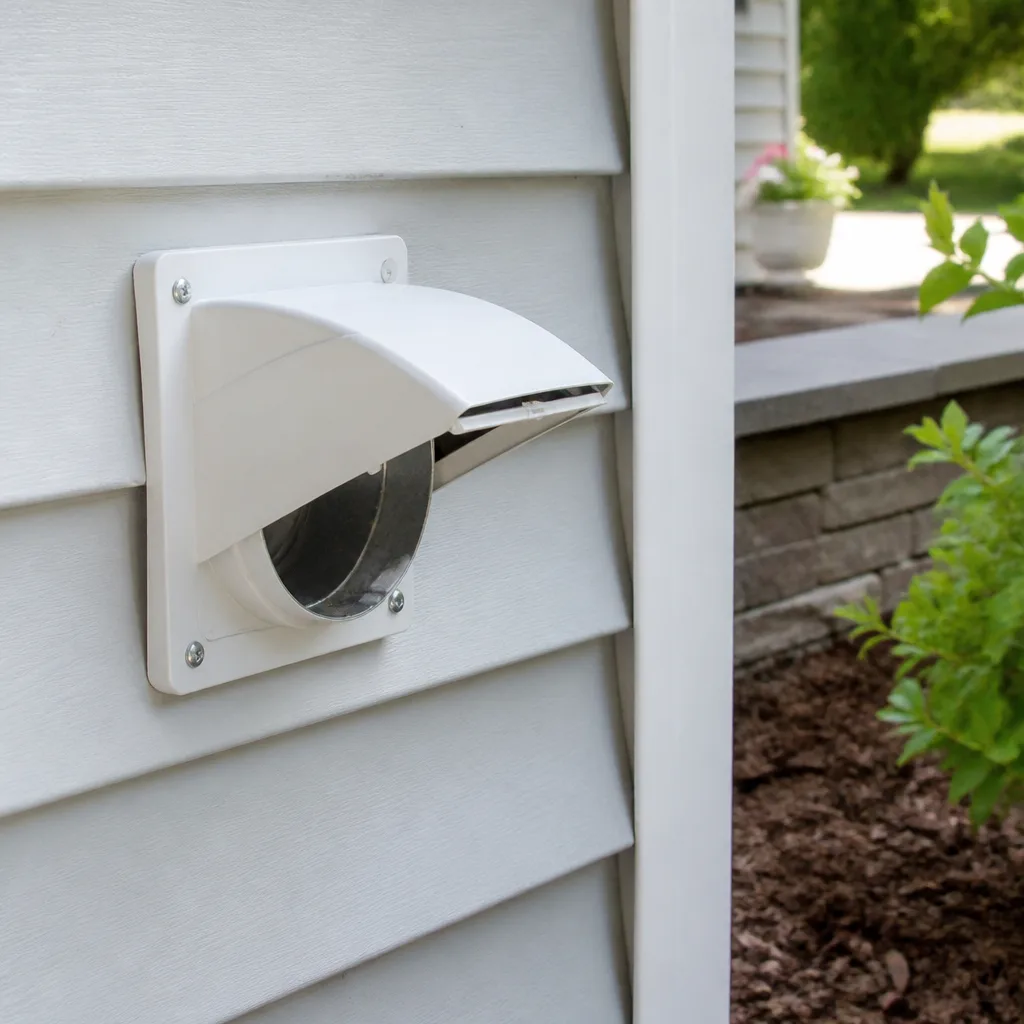 Dryer vent cleaning
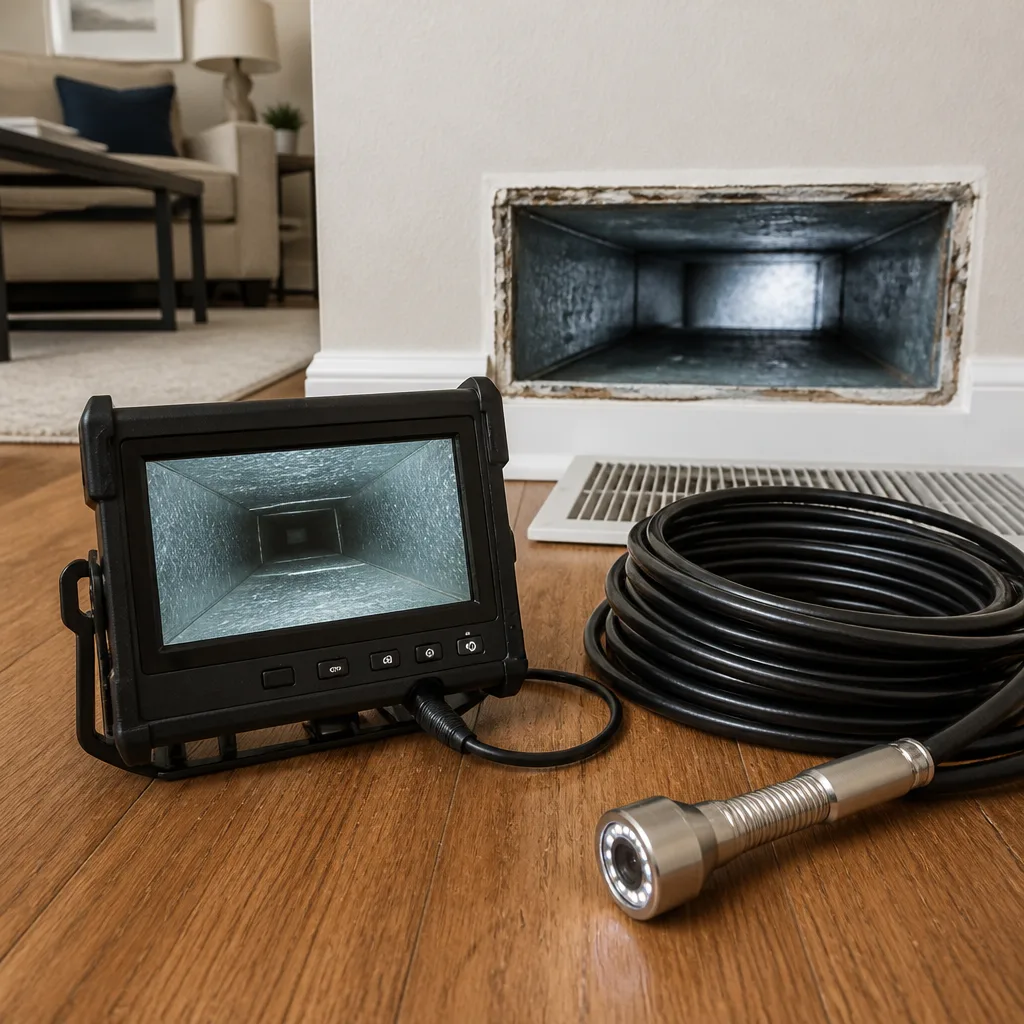 Camera inspection
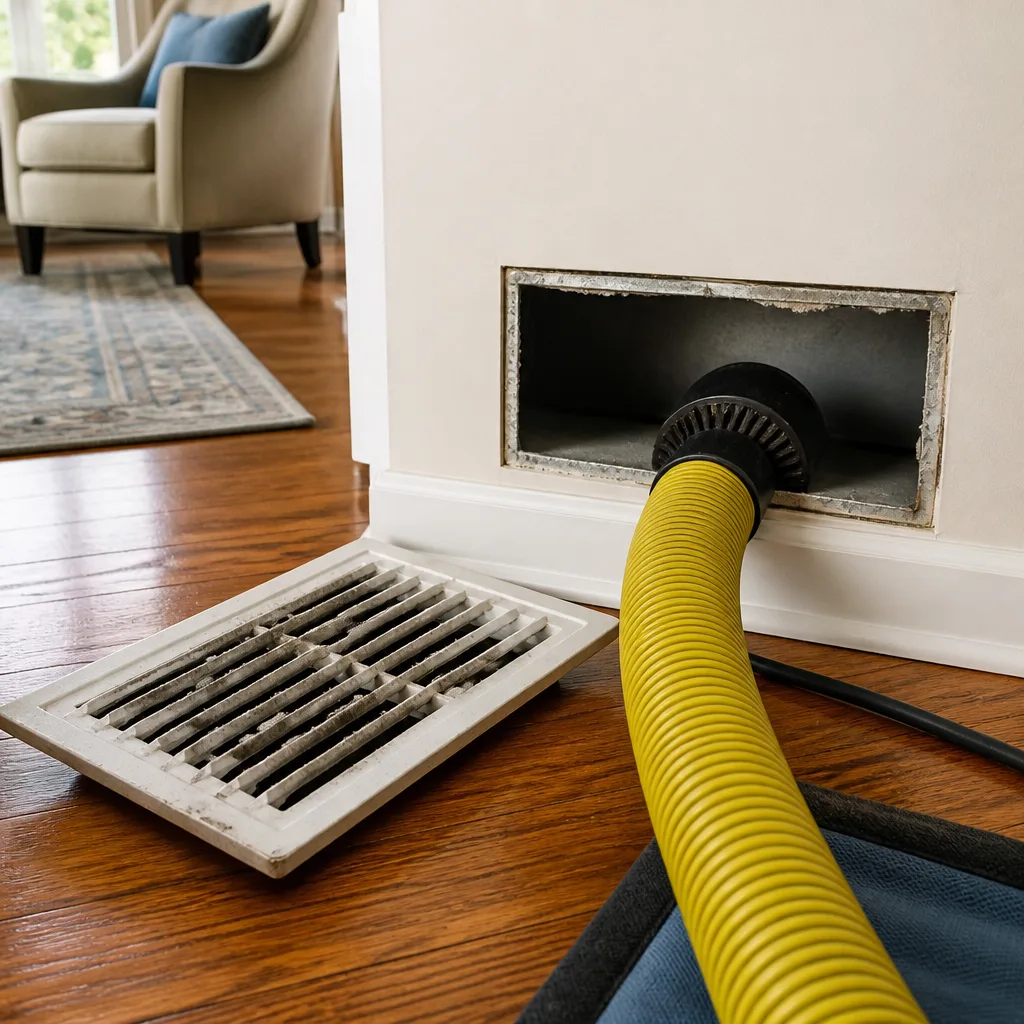 Sanitizing & deodorizing
Whole-system duct and dryer vent check with before-and-after photos - you see exactly what came out of your vents
That "$99 whole-house special" is a bait ad - the real number appears once they are in your hallway, or the "clean" is a shop-vac at the register. We photograph the inside of your ducts before and after instead.
DIY vs Professional Air Duct Cleaning: The Tacoma Homeowner’s Decision Guide
Vacuuming your duct registers without a machine that creates negative pressure across the entire system is roughly equivalent to sweeping a floor with a fan blowing. The debris moves, but it doesn’t leave. That single physical fact sits underneath almost every DIY-versus-professional question homeowners in Tacoma ask us, and it’s the part that most online advice skips over. You can spend an afternoon with a shop vac and a brush kit and still not remove what’s sitting on the far side of a return plenum. This guide explains the physics honestly, then maps the narrow but real scope of what you can do yourself, where the risks concentrate in Tacoma’s older housing, and how to decide which side of the line your own system falls on.
Quick Answer
Professional duct cleaning removes debris from the whole system by pulling it under negative pressure and agitating every run with mechanical brushes; DIY cleaning only reaches what you can touch through a register, which means it redistributes more than it extracts. You can absolutely handle register wipe-downs, filter changes and visual dryer vent checks yourself. Deep cleaning of the trunks, returns, plenum and flex runs is a professional job, and in pre-1980 Tacoma housing it carries real material risks if disturbed by guesswork.
Styles & brands we work with
- Whole-home duct cleaning
- Dryer vent cleaning
- Camera inspection
- Sanitizing & deodorizing
Table of Contents
- Why negative pressure is the whole ballgame
- What you can legitimately do yourself
- Where DIY stops working
- Tacoma’s older housing stock and the DIY risks it creates
- The real cost-benefit math of DIY register cleaning
- How partial DIY maintenance extends professional intervals
- A step-by-step way to decide for your own home
- Common mistakes to avoid
Why Negative Pressure Is the Entire Point of Professional Duct Cleaning
Air duct cleaning works because debris is captured, not because it’s scrubbed. A professional system puts the entire duct network under negative pressure with a high-volume vacuum connected at a central point, usually the main trunk or plenum. While that vacuum holds the whole system below room pressure, rotating brush heads travel each run and physically loosen what’s stuck to the walls. Loose debris gets pulled toward the vacuum, not into the living space, because the pressure gradient only flows one way.
Consumer equipment can’t build that gradient. A shop vac pulls air from a few feet away at best. The moment you open a register to clean it, the pressure differential across the whole duct system doesn’t change; you’ve created a small local suction at one opening, and the fan in your furnace is still doing what it always does, pushing air through a network that now has an open port. In practice, most of the dust and debris you loosen with a home brush ends up settling in a different section of duct or drifting into the room.
We use Rotobrush and Nikro systems for exactly this reason. The rotating brush agitation is real, and the whole-system vacuum is real, but the reason the combination works is that both happen at once, with the entire duct under vacuum. A commercial and restoration-trade equipment standard exists because that negative pressure requirement can’t be shortcut. Here’s what that means in practice:
- The vacuum captures debris at the source, not after it settles on your couch.
- Rotating brush heads reach the full interior surface of each run, not just the top-facing side a hand brush can touch.
- Flex runs, elbows and transitions get worked rather than skipped.
- The plenum and main trunk get cleaned, which is where most of the accumulated material lives.
Without negative pressure, the entire mechanism falls apart. That’s the honest dividing line between DIY and professional air duct cleaning, and no amount of effort with better consumer brushes closes it.
What You Can Actually Do Yourself (and Do Well)
DIY duct maintenance is legitimate, within a tight scope. Every task below genuinely extends the interval between professional cleanings and reduces the dust load hitting your system. None of it requires special equipment, and none of it carries meaningful risk if you use a little care.
- Clean the supply and return registers. Pop the grille off, wipe the face and the inside of the boot with a damp microfiber cloth, and vacuum the slats. Do this every few months, or more often in a home with pets or a wood-burning stove. Register cleaning cuts visible dust immediately and stops it from getting pulled deeper into the system.
- Replace the filter on schedule. This is the single most impactful DIY task. A clogged filter starves airflow, raises static pressure and pushes dust past the filter into the coil and ducts. Check monthly during heating and cooling season; change when it’s visibly loaded.
- Inspect the dryer vent visually. Pull the dryer out, disconnect the vent line, and look for lint buildup, kinks, crushes, or a bird nest at the exterior termination. Vacuum what you can reach. This is legitimately a homeowner task, and it’s also the one with a real fire-safety dimension – dryer vent buildup is a leading cause of house fires, which is why dryer vent cleaning belongs in a complete maintenance plan.
- Check return grilles for visible blockage. Furniture, rugs or boxes blocking returns cause pressure problems throughout the system. This is a five-second fix that costs nothing.
- Monitor for obvious symptoms. Note when dust reappears quickly after cleaning, when rooms feel stuffy, or when HVAC airflow drops in specific areas. That record gives a professional useful information on a first visit.
Notice what’s not on this list: any task that requires opening a duct run, cutting into flex, or attempting to reach beyond the register opening. Those cross the line, and the next two sections explain why.
Where DIY Stops Working: The Limits You Can’t Buy Your Way Around
If you’ve priced consumer duct cleaning kits, you may have noticed they look convincing. Rotating brush heads, flexible rods, a shop vac adapter. The equipment is real, and the design is honest. The problem is that it operates inside a system still under the furnace fan’s positive pressure, and that changes the physics completely.
Every part of a duct system that matters is on the far side of a register or a plenum: the trunk lines running through the crawlspace or attic, the return chase, the transition elbows, the interior surfaces of long runs. A DIY kit can reach a foot or two into a run from the register opening. Most debris sits in the trunk, the plenum, and the first several feet of each branch – areas no home kit can see, let alone clean.
There’s a second limitation: agitation without extraction is redistribution. A brush loosens material from the floor of a duct and the fan carries it into the airstream, from where it settles somewhere else in the system or lands on surfaces in your home. You’ve moved the problem. You haven’t reduced it. That’s why the register-to-register approach rarely produces the visible improvement homeowners expect, and why attempts get abandoned halfway through.
Professional cleaning is also an inspection, and that matters just as much as the vacuum. A technician working through a Tacoma home’s ducts finds loose joints, failed mastic, damaged flex, disconnected branches and crushed runs – all of which push conditioned air into a crawlspace or pull unfiltered air back into the system. That’s why we repair and seal as well as clean, and why HVAC cleaning routinely turns up issues the homeowner couldn’t see from ground level. You can’t seal what you can’t reach.
Tacoma’s Older Housing Stock: Where DIY Risks Concentrate
Tacoma has a substantial inventory of homes built before 1980, and many of them still carry original or partly-updated duct systems. That’s not a knock on the housing; it’s a fact with real consequences for anyone contemplating deeper DIY work. The materials in older systems are the issue, and they’re not visible from the register.
Asbestos-containing duct tape
Fabric-backed and foil-backed duct tapes manufactured before the 1980s sometimes contained asbestos in the adhesive or the backing. These tapes were used on joints, seams and transitions, and in many older Tacoma homes they’re still in place, often painted over, hidden in a crawlspace, or wrapped around a plenum. A homeowner poking at a joint with a scraper or a wire brush can disturb friable material without knowing it. That’s a genuine hazard, and it’s the kind of thing a professional inspection flags before any cleaning begins.
Deteriorating flex connections
Older flex duct and the connectors at trunk transitions get brittle with age. The plastic inner liner cracks, the outer jacket tears, and joints that were sealed thirty years ago have long since let go. Rough handling during DIY cleaning can dislodge a connection or tear a liner, which pushes dust into the cavity around the duct instead of into the vacuum. Worse, a torn return-side flex can pull crawlspace air – with whatever’s in it – straight into your living space.
None of this argues against ever touching your ducts. It argues for knowing where your home sits on the risk curve before you start. A pre-1980 Tacoma house with intact, well-sealed ductwork is fine to maintain at the register level. One with crumbling tape, visible debris inside the boots, or unknown history deserves a professional look first. That’s the responsible order of operations, and it costs far less than a botched DIY attempt.
The Real Cost-Benefit Math of DIY Register Cleaning
Register cleaning at home saves the cost of a professional visit for the small portion of the job a professional visit is designed to cover. That’s a real saving, but it’s smaller than it looks once you account for what the DIY approach doesn’t do. Here’s how the two scope levels compare:
- Register face and boot wipe-down: Fully DIY-appropriate. Household cloth and vacuum. Keeps visible dust down, does nothing for the ducts themselves.
- Filter replacement: Fully DIY-appropriate. Cheap, high impact, no risk. Extends the effective interval between professional cleanings more than any other single task.
- Dryer vent visual inspection: DIY-appropriate for the visible section. Deeper clearing of the full vent run is a professional job.
- Supply and return boot interiors: Partly DIY. A shop vac with a crevice tool reaches a foot or two. Beyond that, professional equipment.
- Trunk lines, plenum, main runs: Professional only. Not reachable with consumer tools, and the negative pressure requirement rules out DIY entirely.
- Duct repair and sealing: Professional only. Requires inspection of concealed runs and application of proper mastic or tape rated for the job.
What a homeowner actually saves by doing register cleaning is the labor cost of that task, which is small. What’s at risk in attempting the deeper system work is significant: disturbed asbestos tape, torn flex, a dislodged joint, and debris redistributed into the return plenum where it cycles back into the living space. The math doesn’t favor DIY for anything past the register face, and it isn’t close.
There’s also the question of what “clean” means. A professional cleaning has a definable end point: the visible surfaces inside the duct are clear, the vacuum has captured what was extracted, and the technician can show you before-and-after images of your own system. Register cleaning produces a cleaner register. That’s a different outcome. If you’re trying to resolve an air quality concern, dust that reappears quickly, or an HVAC system that’s been running harder than it should, register cleaning won’t get you there.
How Partial DIY Maintenance Genuinely Extends Professional Cleaning Intervals
DIY maintenance done well is the reason a professional cleaning schedule can stretch past the one-to-three-year default. Here’s a numbered approach that has worked for the homes we service across Tacoma’s mature neighborhoods:
- Set a filter rhythm and keep it. Mark the calendar when you install a new filter, and replace it at the manufacturer’s stated interval or sooner if it’s loaded. This single discipline keeps new dust production down and reduces the load hitting the ducts.
- Clean registers and boots every few months. A quick wipe of every supply and return grille, twice a year at minimum, prevents dust from accumulating to the point where it enters the airflow.
- Keep returns unobstructed. Don’t put a bookcase in front of a return, don’t stack boxes against it, and check that rugs aren’t covering floor grilles.
- Inspect the dryer vent twice a year. Visual inspection, lint removal from the exterior termination, and a check that the vent line has no kinks or crushed sections. Hvac cleaning schedules and duct cleanings don’t cover this unless you specifically ask.
- Watch for warning signs early. A sudden uptick in dust on surfaces, a musty smell the first time the heat comes on, or a room that’s consistently dustier than the rest points to something more than the register. Note it and call before the next scheduled cleaning.
- Schedule the deep clean based on system history, not just the calendar. A home with no pets and a good filter habit can go longer than a home with three dogs, a wood stove and a full house of occupants. The professional visit should reset the baseline, not paper over neglect.
Do these things and you’ll get more mileage out of each professional cleaning, which is the honest argument for DIY in the first place. Skip them and the ducts load up faster than any cleaning schedule can offset.
A Step-by-Step Way to Decide for Your Own Home
If you’re still on the fence, use this sequence. It takes about an hour and replaces guesswork with information.
- Note your home’s construction era. Pre-1980 Tacoma homes get extra caution on any joint-touching work. Post-1980 homes have less asbestos exposure risk but often have flex duct that’s aged into brittleness.
- Pull one register and look inside with a flashlight. If the boot interior is visibly coated in dust, or you can see debris on the duct floor, you already know the system needs more than a register wipe. If the boot is clean and the run beyond looks clean, register maintenance is enough for now.
- Check the filter and the return grille. A heavily loaded filter or a dusty return grille tells you the system is under strain. Replace the filter first, then reassess in a month.
- Verify dryer vent condition. Clear lint from the exterior termination. If you can’t reach the full vent run, that’s a professional call.
- Look at visible ducting in the crawlspace or attic if accessible. Crushed flex, disconnected joints, or tape that’s peeling off is a repair-and-seal job, not a cleaning job.
- Decide based on what you found. Clean boots, intact ducting, filter habit in place = register cleaning and periodic professional visits. Visible debris, deteriorating sealant, suspected asbestos tape, or a house with allergy-sensitive occupants = call a professional for a look now.
That last step is where a free inspection pays for itself. It gives you a scope of work before any price is discussed, and it’s how we handle Tacoma air duct cleaning pros visits. We’d rather tell you the system doesn’t need a deep clean than sell one you don’t need.
Common Mistakes to Avoid
- Believing a home kit replicates a professional cleaning. The equipment may look similar, but without whole-system negative pressure it’s redistribution, not extraction. It’s the most common DIY disappointment we hear about.
- Scraping or brushing old duct tape and joint sealant. In pre-1980 Tacoma homes this material may contain asbestos. Leave it alone until a professional has assessed it.
- Running a brush past the boot into aged flex. Old flex liner tears easily, and a tear can route unfiltered crawlspace air into the living space. Stop at the boot opening.
- Skipping filter changes because register cleaning “feels like enough.” A loaded filter is the largest single source of dust and pressure problems in most systems. Register cleaning doesn’t offset it.
- Ignoring the dryer vent because it’s not part of the duct system. It is, functionally, and it’s the component with the clearest fire-safety consequence.
- Assuming a cheap professional bid means a full-system clean. Register-only cleaning is sometimes sold as duct cleaning. Ask what’s actually being cleaned, what equipment is used, and whether the plenum and trunks are in scope.
- Reaching into a supply boot with a shop vac while the furnace is running. The fan is pushing air out of that opening the whole time. If you’re going to vacuum a boot, turn the system off first.
See the difference
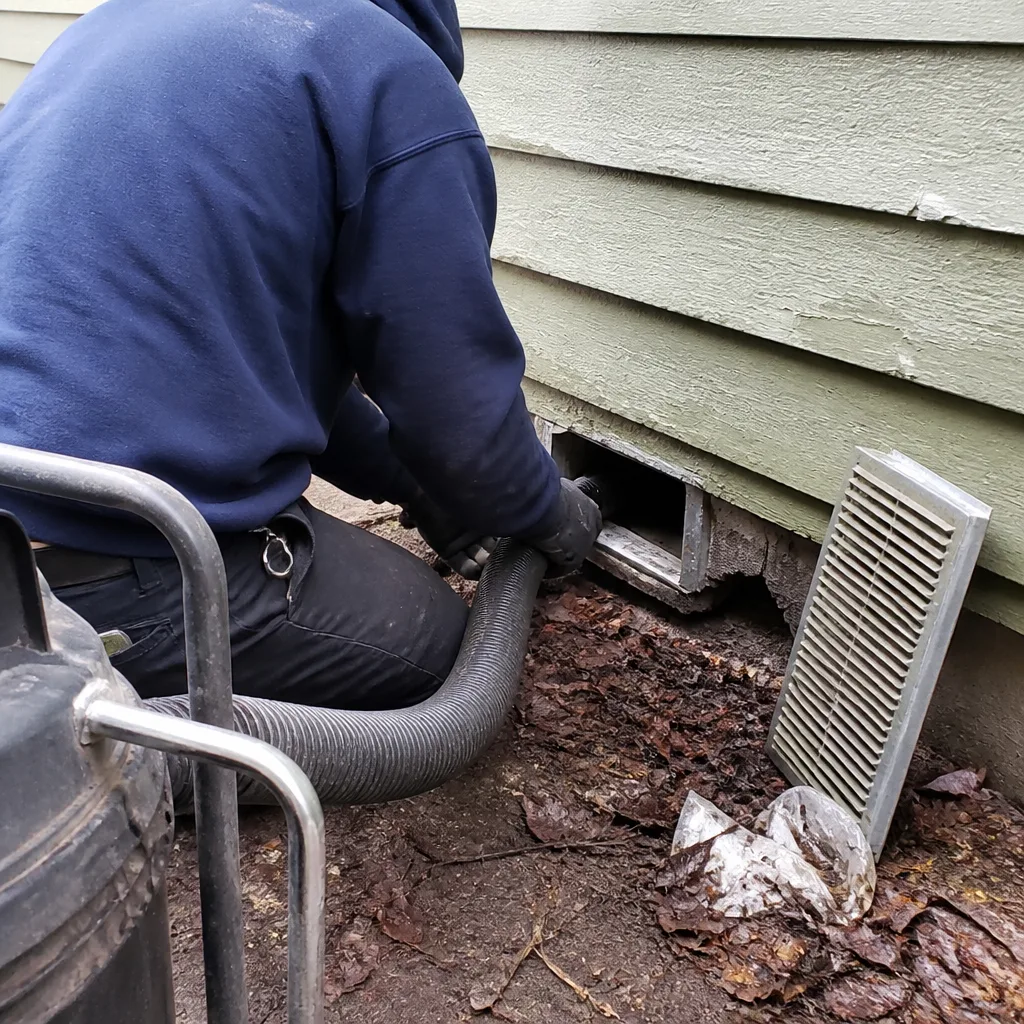 Before
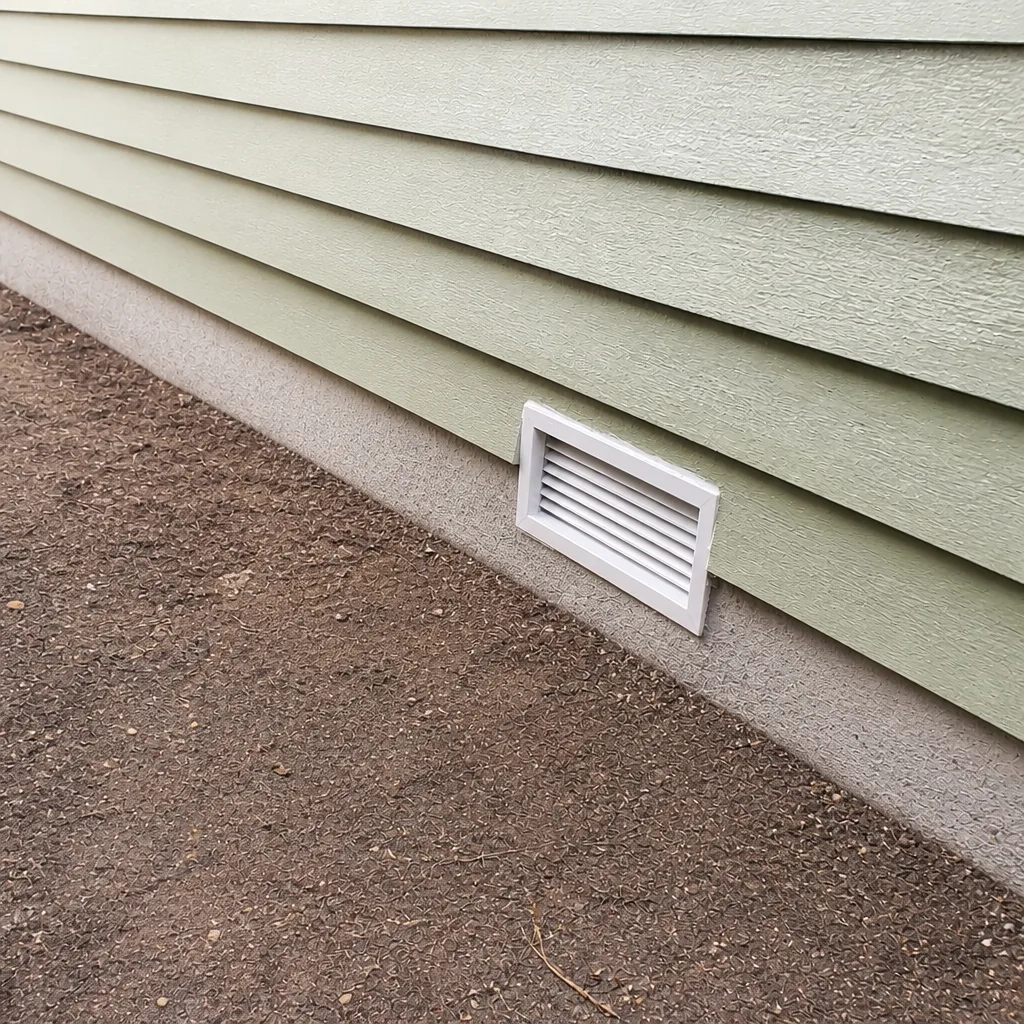 After
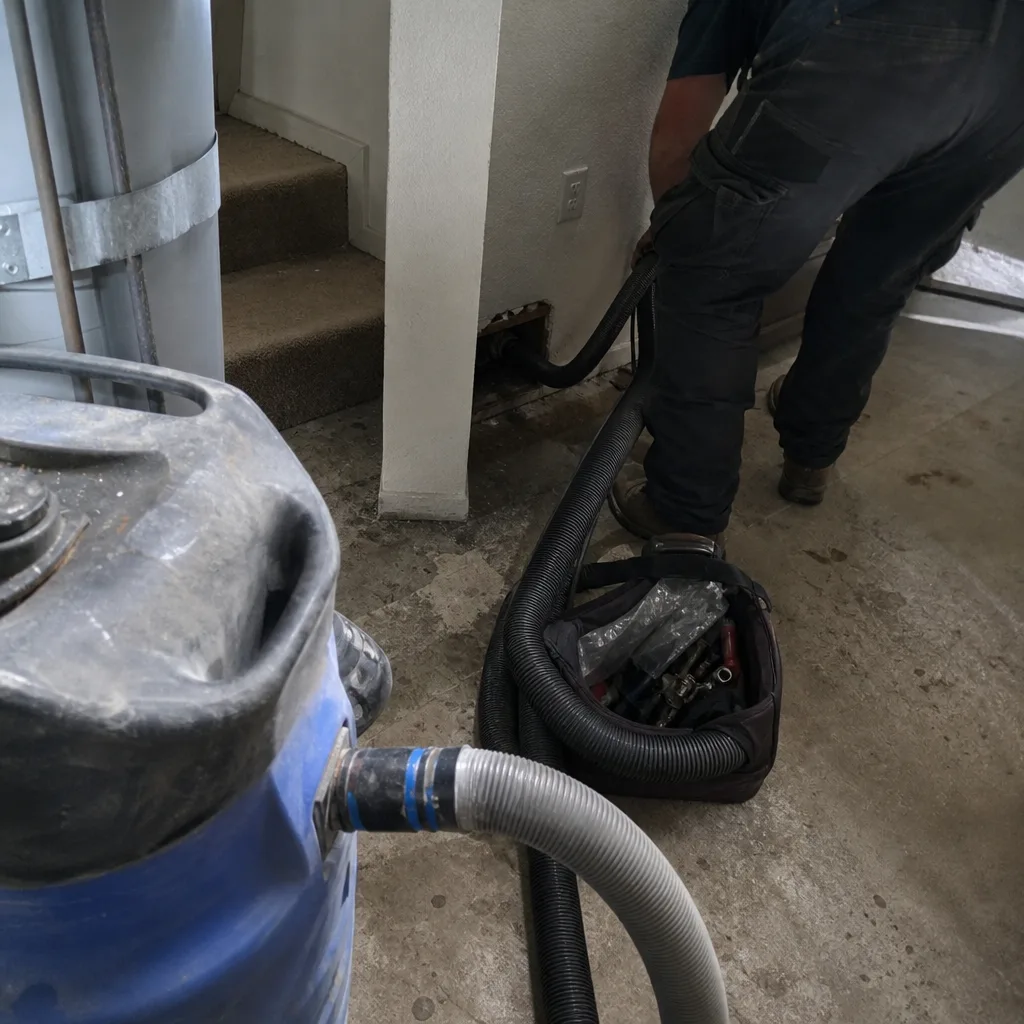 Before
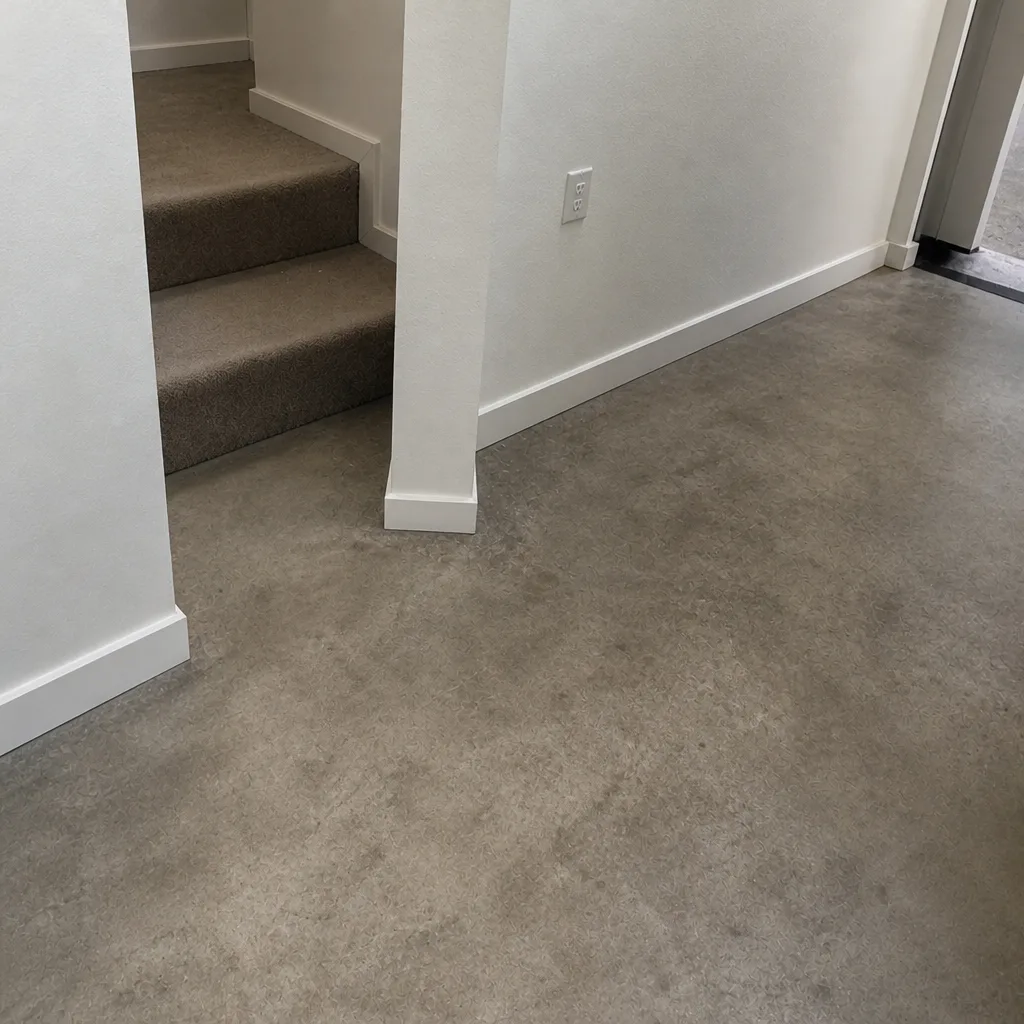 After
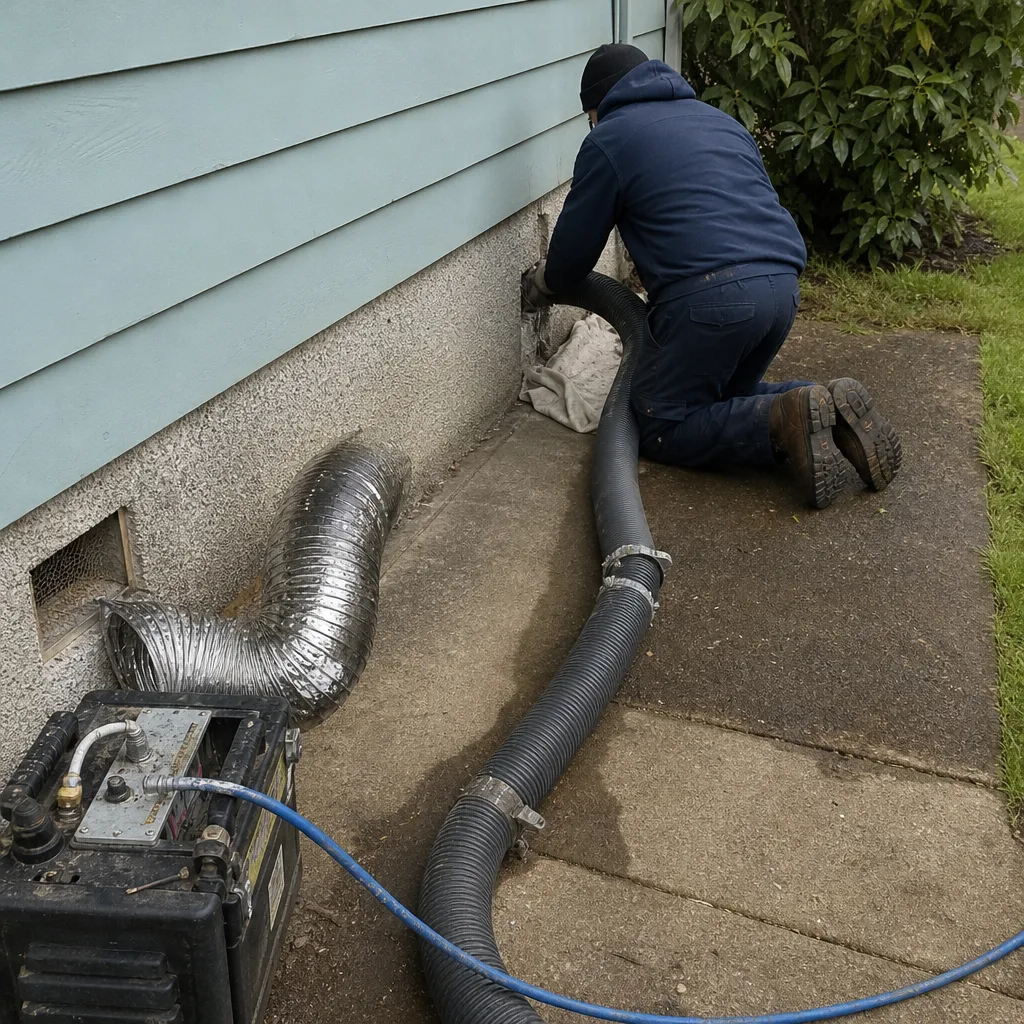 Before
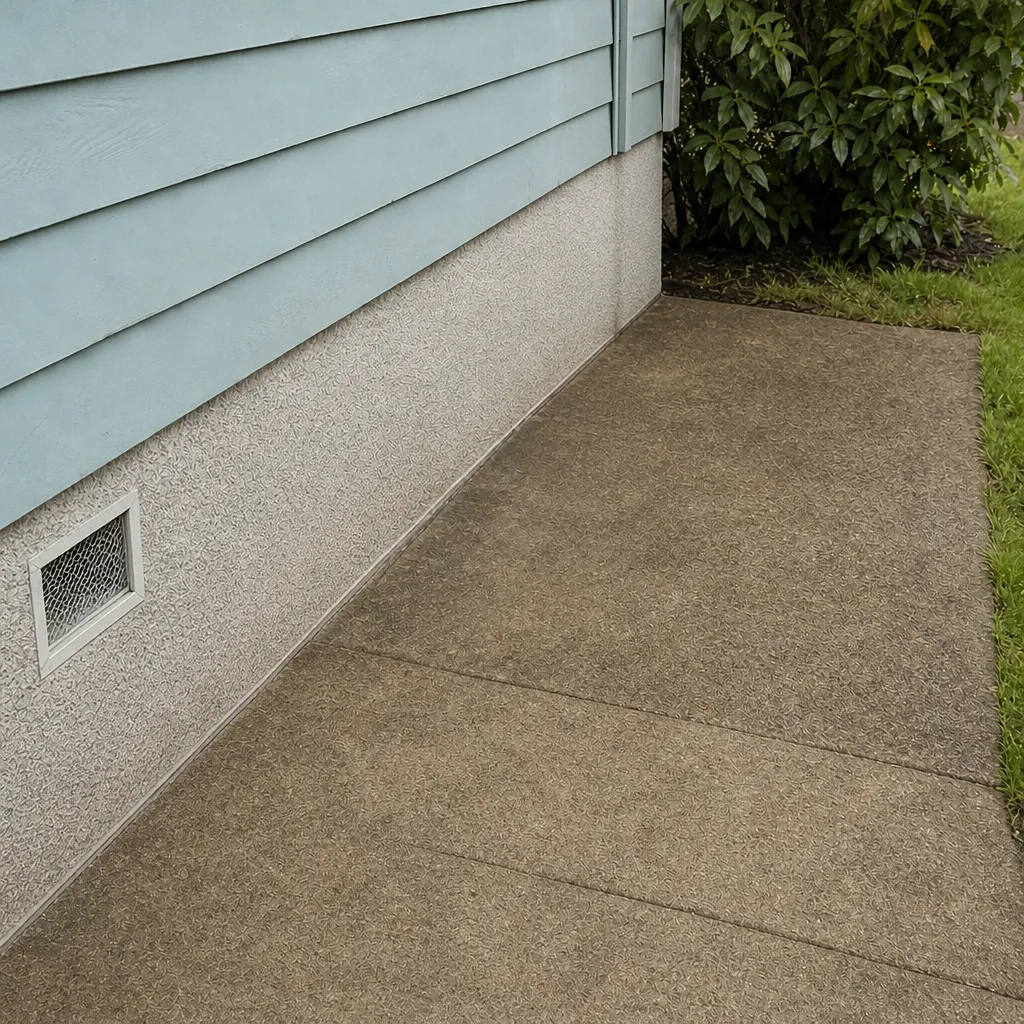 After
When to Call a Professional
Call a professional when the scope of the job exceeds what a register wipe-down and a filter change can address. That includes visible debris inside the boots, dust that reappears within days of cleaning, musty smells when the system starts up, allergy or asthma symptoms that seem tied to indoor air, a recent renovation that pulled construction dust into the system, and any suspicion of asbestos-containing tape or damaged flex in an older Tacoma home. It also includes duct repair and sealing (loose joints, crushed runs, disconnected branches) and any sanitizing work targeting mold spores or microbial growth – standard cleaning doesn’t resolve those, and the equipment is different. A free estimate is the right next step. Tacoma Air Duct Cleaning Pros offers free estimates in Tacoma – call (877) 865-3172. We answer 24/7. Fast dispatch from 7am to 7pm, Sunday through Friday. A call outside dispatch hours is booked into the next opening. Our technicians have up to 9 years of experience, and the local professional we connect you with is licensed and insured as their state requires. Every job is quoted as one flat price per system agreed before work starts, with before-and-after photos of your own ducts.
Frequently Asked Questions
No – a shop vac can’t clean your air ducts because it can’t create negative pressure across the whole system, so debris gets redistributed rather than removed. You can use a shop vac on the register face, the boot interior up to a foot or so, and the return grille, and those tasks are worth doing. Cleaning the trunks, plenum, returns and flex runs needs professional equipment. Call (877) 865-3172 for a free estimate if you’re unsure which side of that line your system is on.
It is in older Tacoma homes where pre-1980 duct tape or joint sealant may contain asbestos, or where aged flex has become brittle enough to tear. Disturbing those materials can release fibers or route crawlspace air into the living space. In a newer home with intact ductwork, register cleaning is low risk. In an older home with unknown material history, have the system inspected first. Call (877) 865-3172 – estimates are free.
Every one to three years is a reasonable default for most Tacoma homes, and longer if you’ve kept up with filter changes and register cleaning. Homes with pets, a wood stove, recent renovations or occupants with respiratory sensitivities usually sit at the shorter end. The schedule should follow your system’s history, not the calendar. Call (877) 865-3172 for an assessment based on your specific home.
Because they’re often not the same job – a low bid may cover register cleaning only, or skip the plenum and trunk lines, leaving most of the debris in place. Ask what’s actually in scope, what equipment is used, and whether before-and-after photos are provided. Our process uses Rotobrush and Nikro systems under full negative pressure, with a flat price per system agreed before work starts. Call (877) 865-3172 for a quote that covers the whole system.
Ask for before-and-after photos of your own ductwork, not stock images, and ask what was covered: trunks, plenum, returns, boots and the dryer vent line if it’s part of the job. We provide images from your system so you can see the interior state of the ducts rather than trusting a report. Call (877) 865-3172 for a free estimate and a clear scope.
Cleaning removes accumulated dust, debris and microbial matter from the system, which reduces what gets pushed into your living space every time the fan runs. In Tacoma’s damp months, the bigger gains usually come from also sealing leaks that draw crawlspace air into the system and from adding sanitizing where mold spores are suspected. Standard cleaning alone addresses the surface; repair, sealing and sanitizing address the sources. Call (877) 865-3172 to talk through what your home needs.
The Bottom Line
DIY duct maintenance is real and worth doing, but its scope is narrow: registers, boots, filters, visual dryer vent checks and early symptom-spotting. Those tasks extend professional cleaning intervals and reduce the dust load hitting your system. What DIY can’t do is remove debris from the trunk lines, plenum, returns and flex runs, because that requires negative pressure across the whole system and the mechanical agitation that goes with it. In Tacoma’s pre-1980 housing, deeper DIY work also carries material risks around asbestos-containing tape and deteriorating flex. Know your home’s era, watch for warning signs, keep the filter fresh, and call a professional when the scope outgrows the register. That’s the whole decision.
Written by the team at Tacoma Air Duct Cleaning Pros.