
Last updated November 23, 2026
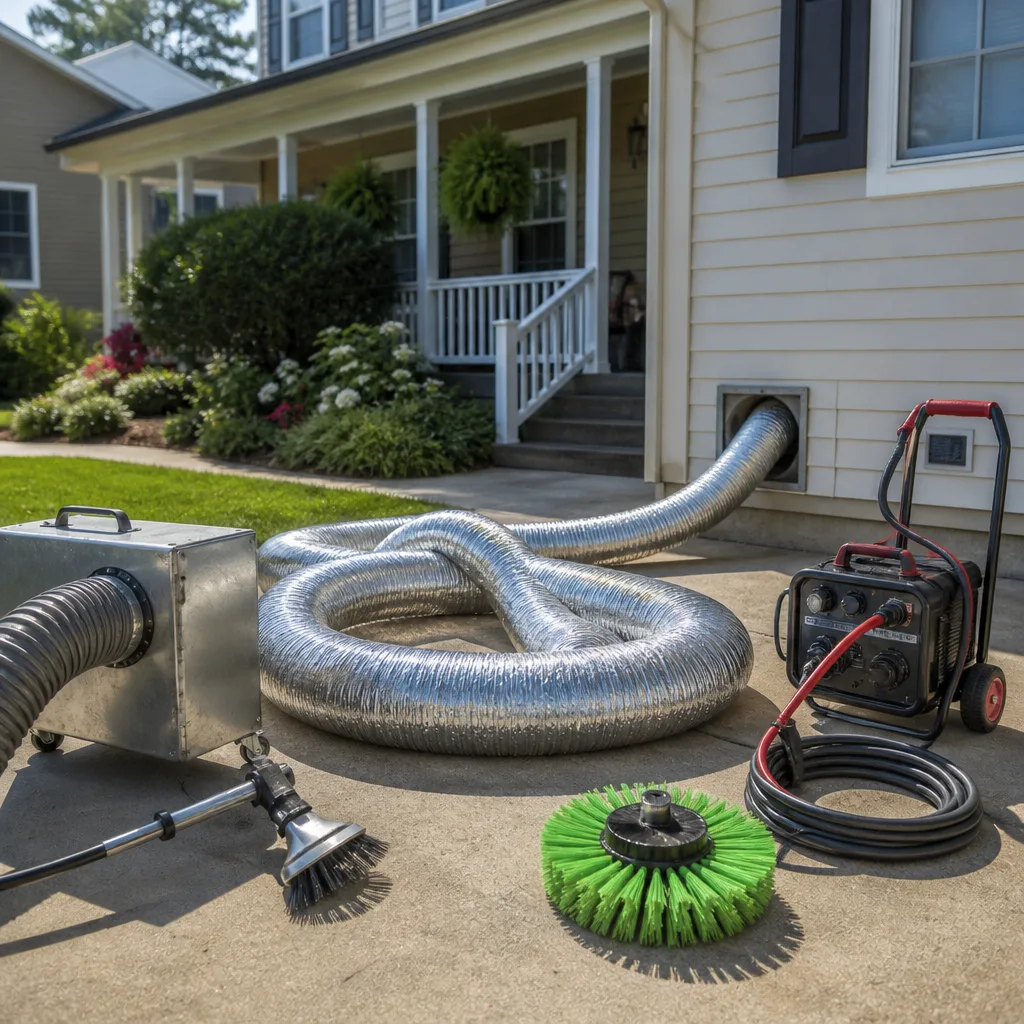 Whole-home duct cleaning
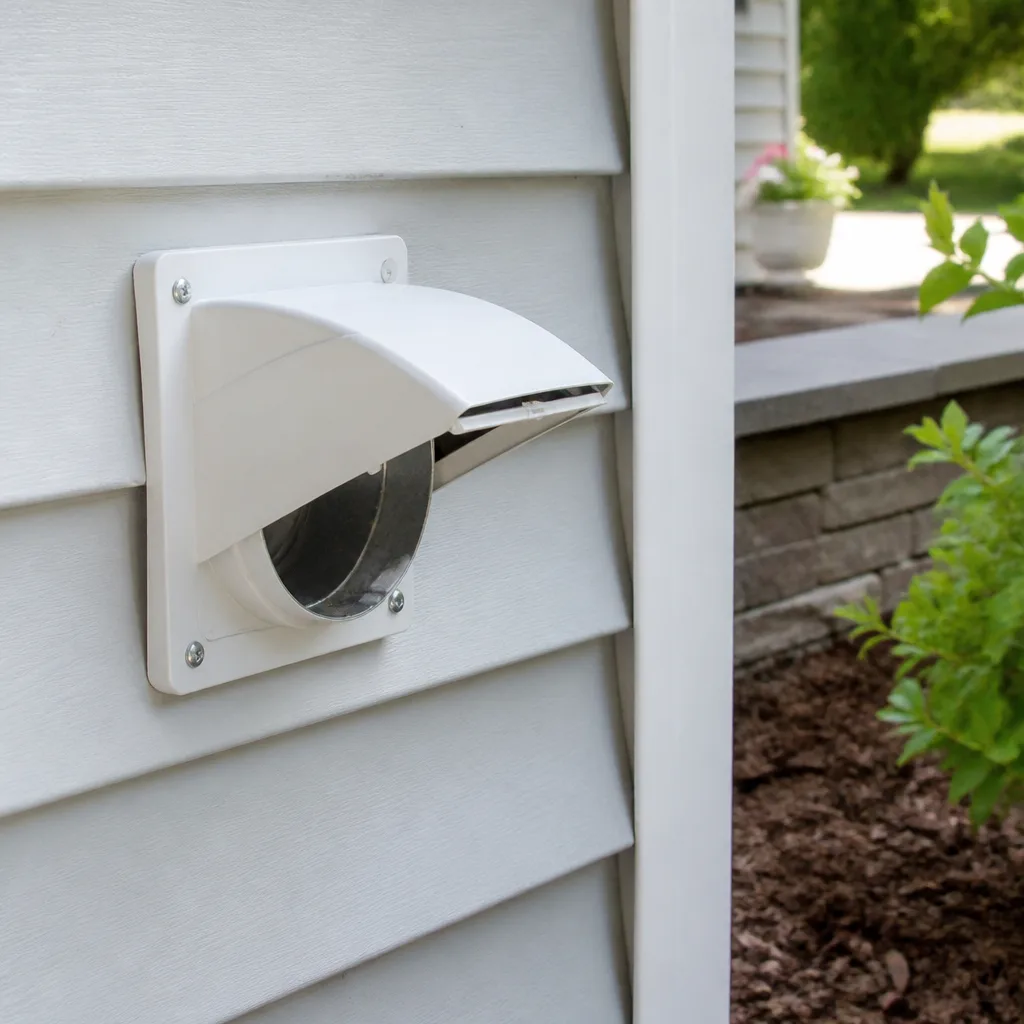 Dryer vent cleaning
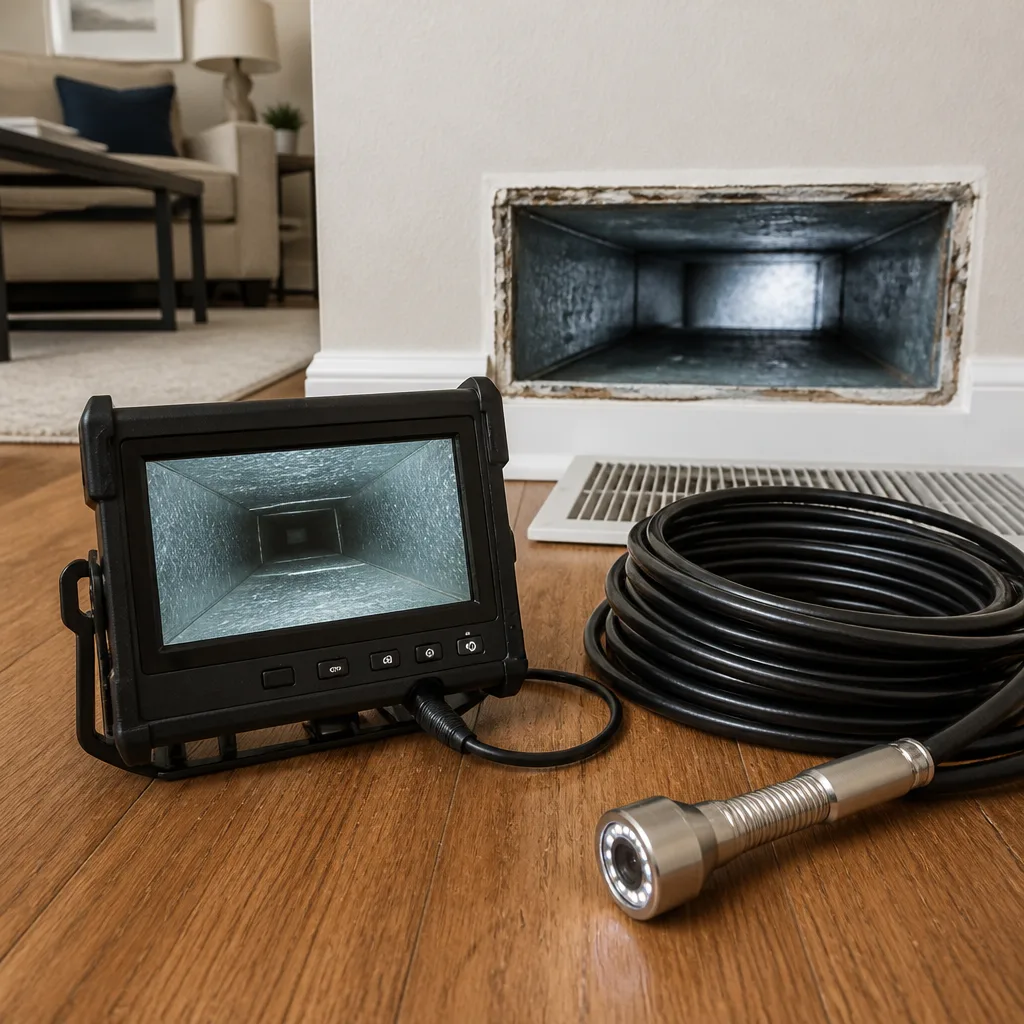 Camera inspection
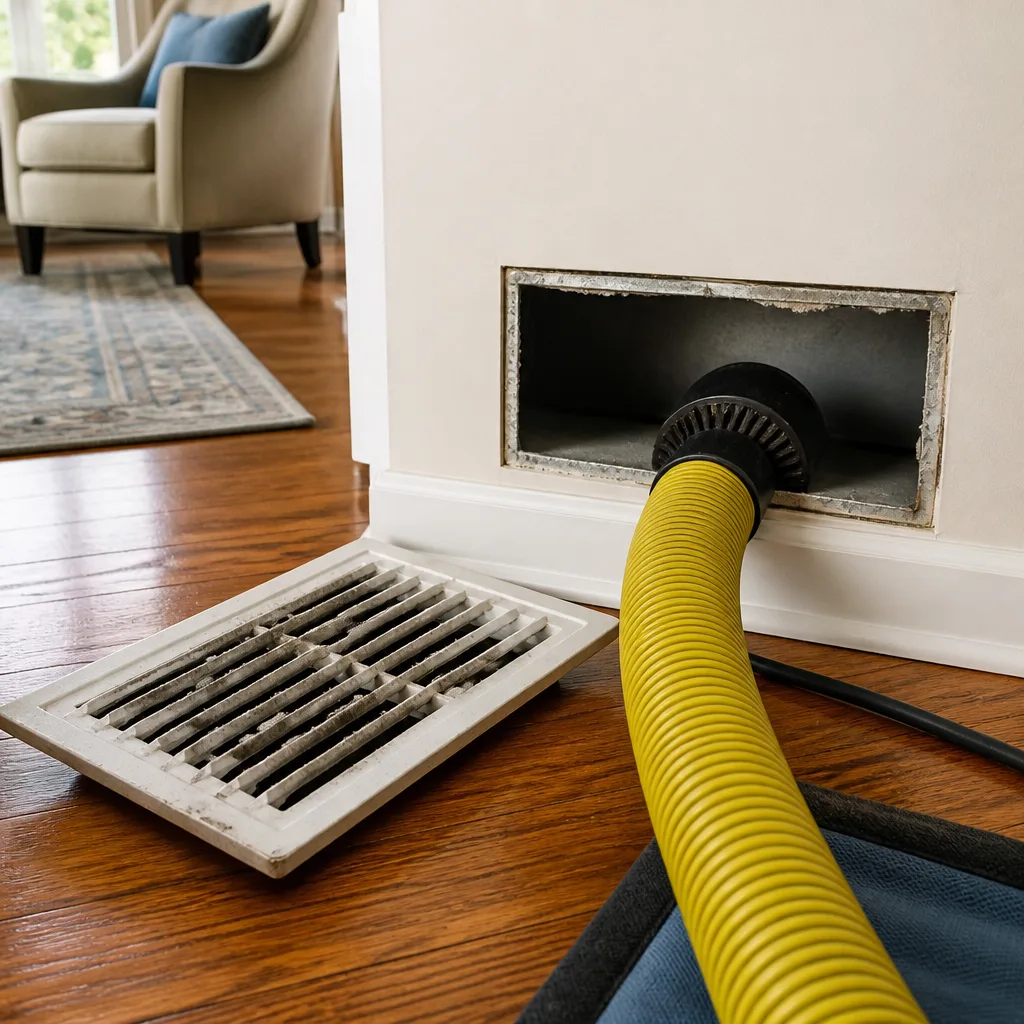 Sanitizing & deodorizing
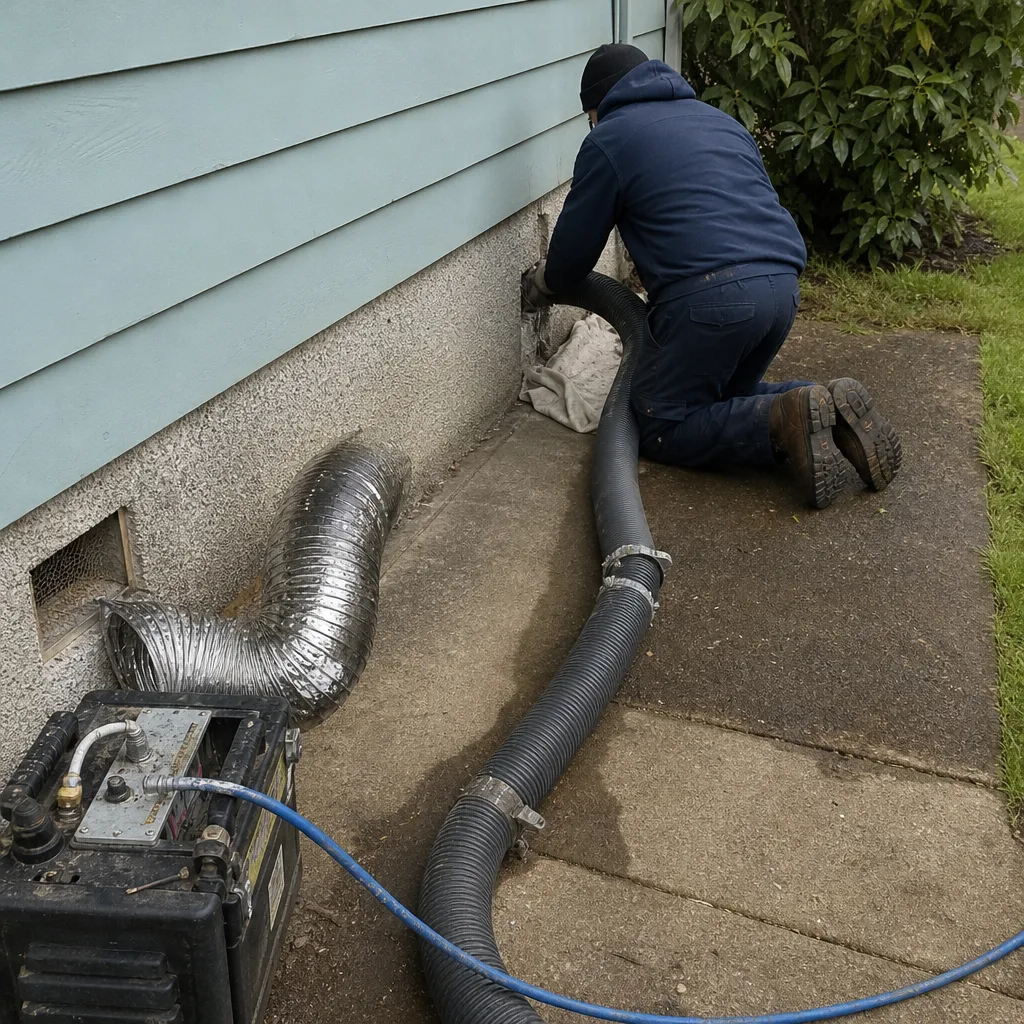
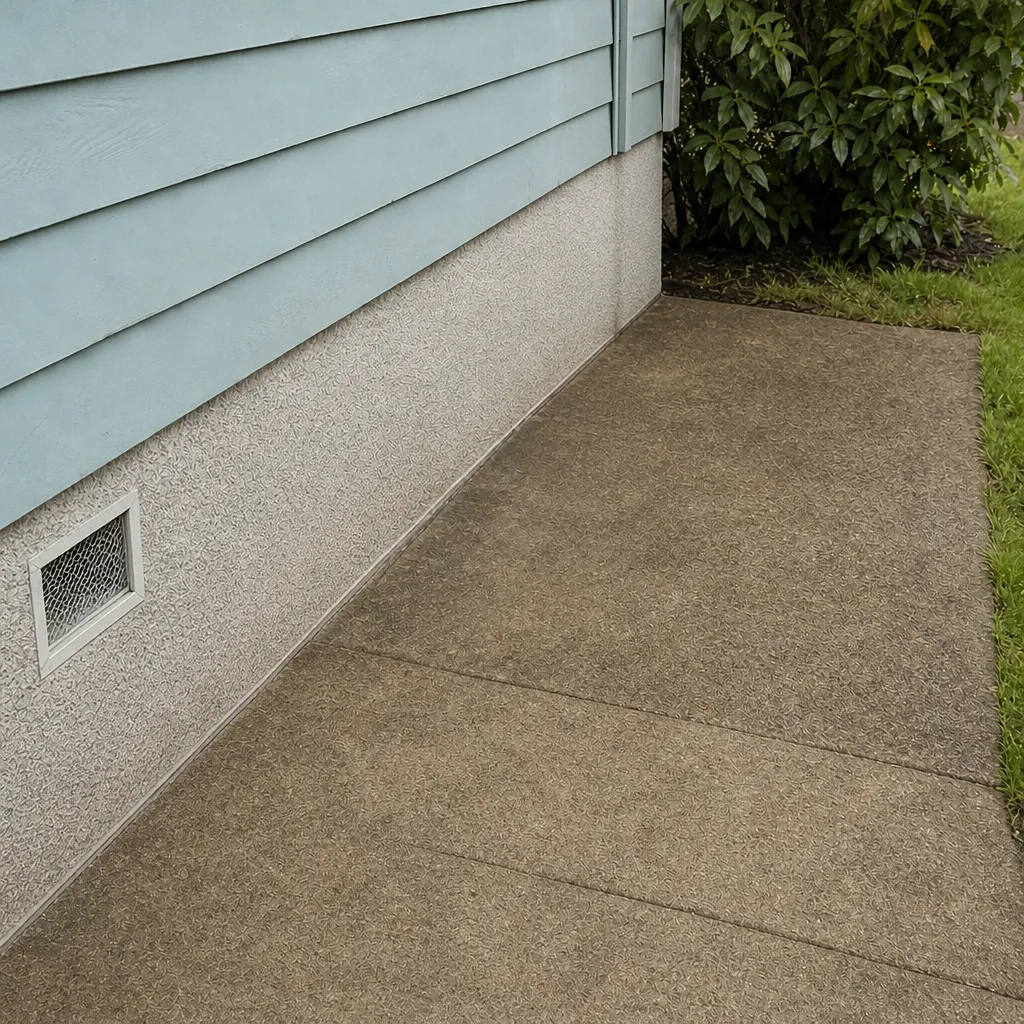
Whole-system duct and dryer vent check with before-and-after photos - you see exactly what came out of your vents
That "$99 whole-house special" is a bait ad - the real number appears once they are in your hallway, or the "clean" is a shop-vac at the register. We photograph the inside of your ducts before and after instead.
How to Hire an Air Duct Cleaning Contractor in Tacoma: A Step-by-Step Guide
In Washington State, anyone with a shop vac and a website can legally offer professional duct cleaning. There’s no trade-specific license required for the work, which makes contractor selection unusually high-stakes. The filter between you and a bad operator isn’t a state database – it’s the questions you ask before you book. Most homeowners in Tacoma never ask them. This guide changes that. You’ll learn which equipment questions actually separate a real duct cleaner from a vacuum-and-vanish outfit, how to read a quote so you can spot bait-and-switch pricing before the crew arrives, what contract language to require, and how to verify the work was done. Call (877) 865-3172 if you want to skip ahead and talk it through.
Quick Answer
To hire a duct cleaning contractor in Tacoma, verify four things before booking: the equipment (a rotary brush system plus a high-powered vacuum, not a shop vac), whether the company follows NADCA process standards, whether the quote is a line-item breakdown or a vague flat rate, and whether the contract promises before-and-after documentation of your own system. Ask for those in writing. Most low-quality operators can’t produce them.
Styles & brands we work with
- Whole-home duct cleaning
- Dryer vent cleaning
- Camera inspection
- Sanitizing & deodorizing
Table of Contents
- Why Washington State Has No Duct Cleaning License (and What That Means for You)
- The Equipment Questions That Screen Out Weak Operators
- What NADCA Membership Actually Means for Process Standards
- How to Read a Duct Cleaning Quote in Tacoma
- Why the Cheapest Bid in Tacoma Is Usually a Bait-and-Switch
- Contract Language to Require Before Work Starts
- How to Verify the Work Was Actually Done
- Common Mistakes to Avoid
Why Washington State Has No Duct Cleaning License (and What That Means for You)
Washington doesn’t issue a license specific to air duct cleaning. There’s no state exam, no required certification, no trade board to complain to if the work is done badly. A contractor doing general business in the state needs to register as a business, but nothing about that registration proves they know how to clean a duct system correctly. That’s a fact worth sitting with.
In practical terms, it means the vetting burden falls entirely on you. Here’s what that looks like:
- You can’t search a state database for a “duct cleaning license” and confirm the technician is qualified, because no such license exists.
- You can ask whether the crew carries general liability insurance, which is a standard business protection and a reasonable thing to check.
- You can ask whether they belong to NADCA. That’s the professional association for the trade, and it’s the closest thing to a quality signal that exists in Washington.
- You can ask for references from recent Tacoma-area jobs, and you can ask to see photos of completed work before you book.
What you cannot do is assume that a contractor is qualified because they showed up in a van with a logo on it. In Tacoma, where older housing stock in neighborhoods like North End and Proctor means duct systems that have often accumulated years of debris, a technician who doesn’t understand the system can make things worse – disturbing contamination without properly containing it, or leaving the system in a state that sends debris back through the supply side the moment the furnace runs.
The selection process in the rest of this guide is built around one idea: if there’s no license to check, you need to check the process instead. And the process starts with equipment.
The Equipment Questions That Screen Out Weak Operators
The single most useful thing you can ask a duct cleaning company is what they clean with. Not “professional-grade equipment” – the specific machines. Weak operators get nervous on this question. Strong ones answer it easily because the equipment is the core of the service.
Here are the questions to ask, and why each matters.
Do you use a truck-mounted or portable vacuum?
Truck-mounted units typically move far more air and create stronger negative pressure at the duct, which pulls debris toward the vacuum rather than leaving it suspended. Portable units can work well if they’re high-quality and the technician uses proper containment, but a shop vac or a shop-vac-sized portable is not adequate for a whole-system job. A fair answer describes the actual machine, not “a powerful vacuum.”
What’s the CFM rating?
CFM means cubic feet per minute – a measure of how much air the vacuum moves. Higher CFM means stronger pull at the duct opening. An operator who can’t name a CFM range probably doesn’t know their own equipment well enough to argue it’s suited to the job.
Do you carry a rotary brush system?
This is the key question. A vacuum alone only pulls loose debris. A rotary brush system physically agitates the inside of the duct to break the debris loose so the vacuum can extract it. Without agitation, a lot of what’s stuck to the duct walls stays stuck. In Tacoma’s older homes, where ductwork has often been in service for decades, agitation is the difference between a surface wipe and a real clean.
We use Rotobrush and Nikro systems – commercial-grade rotating brush equipment that agitates and extracts rather than blowing debris around. Those are the machines technicians in the commercial and restoration world use, and they’re the practical test of whether a company is a one-trick duct vacuumer or a real cleaning operation.
What about the air handler and the blower?
Cleaning the ducts without cleaning the HVAC components connected to them is incomplete. Ask whether the service scope covers the air handler, blower motor, and coil area. If the answer is “we just do ducts,” you have a partial service and should know it before paying.
What NADCA Membership Actually Means for Process Standards
NADCA is the National Air Duct Cleaners Association. Membership isn’t a license and it isn’t a government credential – no one should suggest otherwise. What it does signal is that a company has chosen to work to a recognized process standard rather than running on whatever procedure each technician invents on the job.
The standards matter in practical ways you can check:
- Source removal as the goal, not chemical masking or blowing debris downstream.
- Containment protocols: sealing off the work area so debris doesn’t escape into the living space.
- Protecting the HVAC system so cleaning doesn’t push residue into the furnace or coil.
- Proper documentation of the work performed.
When a company joins NADCA, it’s also agreeing to certain business conduct standards. That’s a soft signal, but it’s the best one available in a state with no trade license. Ask the question directly: “Are you a NADCA member?” If the answer is no, ask how they handle source removal and containment instead. A good operator answers that fine. A weak one stalls.
A related question: “Do you offer duct repair and sealing alongside cleaning?” Duct leakage is one of the reasons contamination re-enters a system – gaps at joints and boots pull dust back in from crawlspaces and unconditioned spaces after cleaning. A company that only cleans can’t address that. One that can clean, repair, seal, and sanitize treats the whole system. In Tacoma, where many homes have crawlspaces and attic runs, that scope matters.
How to Read a Duct Cleaning Quote in Tacoma
Most duct cleaning quotes come in one of two forms: a line-item breakdown, or a single flat rate. The form itself tells you something useful about the operator.
A line-item quote typically breaks the job into something like this:
- Number of supply and return registers served
- Main trunk and branch cleaning
- HVAC cleaning (air handler, blower, coil)
- Duct repair and sealing (if needed, and if they offer it)
- Sanitizing (if included)
- Dryer vent cleaning (if included or offered as a separate scope)
That last item is worth checking specifically. Dryer vent buildup is a leading cause of house fires, and many duct cleaners either skip it or outsource it. In Tacoma, where much of the housing stock is older and laundry hookups are often tucked into tight spaces, a dryer vent that runs a long distance to the exterior wall is worth having cleaned on a schedule. If your duct cleaner can do the dryer vent on the same visit, the scope is more complete.
A flat-rate quote isn’t automatically bad, but you should be able to get the components broken out on request. If a company resists breaking down the price, that’s a signal. A transparent operator will walk you through what’s included and what isn’t. “What’s excluded from the price?” is the question that usually exposes the gap between a low quote and the final invoice.
Pricing varies by system, so a reputable company sets one flat price per system after seeing it – not a per-vent figure or a teaser coupon that turns into something far larger once the technician is on site. Ask specifically: “Is this a whole-system price, or does it go up based on how many vents I have?”
Why the Cheapest Bid in Tacoma Is Usually a Bait-and-Switch
The duct cleaning industry has a bait-and-switch reputation for a reason. The pattern is well-known: a low teaser figure advertised as a “special,” then a much larger invoice once the crew is in the home and the “actual scope” is discovered. The initial number was never real; it was the price of getting in the door.
How to spot it before you book:
- The quote is suspiciously low and not tied to your system. A real whole-system quote requires knowing your square footage and duct layout. If they quote without seeing anything, it’s a marketing number.
- They can’t explain what “included” means. Ask what happens if there are more registers than expected. Ask if the machine they use is included or an upgrade. A good operator has clear answers.
- The price isn’t written down before work starts. One flat price per system, agreed in writing before a technician touches your ductwork, is the standard to hold everyone to. No exceptions.
- They use scare tactics in the pitch. If a sales call or door-knock leads with health alarms about mold or allergens without inspecting your system, the pitch is the product, not the cleaning.
- They don’t offer to show you before-and-after photos. A company that knowingly does real work is happy to prove it. One that can’t produce photos of the actual work in your home is asking you to take it on faith.
The legitimate answer to “why are you more than the cheap bid?” is straightforward: the equipment costs more to run, the process takes longer, and the scope usually covers more of the system. If your Tacoma home has never had the ducts cleaned, the difference between a thorough job and a quick pass with a portable vacuum can’t be seen from the driveway. It shows up in the photos.
Contract Language to Require Before Work Starts
This is where most homeowners give up ground. A verbal agreement and a business card are not a contract. Before work starts, you should have these elements in writing:
- A defined scope. Which registers are served, whether HVAC components and the blower are included, whether dryer vent cleaning is part of the job, and whether repair and sealing are included or extra.
- The one-price total. A single price per system, agreed in advance. No per-vent pricing. No “starting at” language designed to shift once the crew is on site.
- Before-and-after documentation. The right to photos of your own ductwork – taken before and after – as part of the finished job. This is the simplest proof in the industry and any operator should offer it.
- Exclusions listed in the contract. Air handler not included? Duct repair not covered? Sanitizing an add-on? These should be on the paperwork, not on the invoice.
- Contact and business information. A physical business address, a working phone number, and a written invoice after the job.
The one thing you shouldn’t require – because it doesn’t exist – is a “duct cleaning license number.” If a contractor offers one, ask what it is. In Washington there’s no trade-specific license, so the number they give you is probably a general business registration, not a credential proving expertise.
How to Verify the Work Was Actually Done
Verification is the part of the job most homeowners skip, and it’s the part that makes future hiring easier. Here’s how to check the work is real:
- Ask for before-and-after photos of at least a few register runs and the air handler. If the photos are generic (same images you could find anywhere), ask for photos from your own system.
- Check the register covers yourself. A proper cleaning involves removing register covers and cleaning inside the boot and run. If covers weren’t touched, ask why.
- Watch the vacuum. During a real cleaning, debris is visibly moving toward the machine. If the “vacuum” is a small portable sitting in the hallway, ask what it is pulling.
- Note the air handler. If HVAC cleaning was included, the blower compartment and coil area should be visibly cleaner when the job is done.
- Keep the invoice. Save it with the before-and-after photos. It’s useful if you ever sell the home, rent it out, or have a future contractor ask about the system.
One more check: ask whether the technician can walk you through the system at the end. A good operator will show you what was cleaned, point out any joint leaks or duct damage they found, and explain what sealing or repair would address. If you never got that walkthrough, the job probably finished without a real close-out.
How Does a Full-System Cleaning Differ From a Duct-Only Job?
A duct-only job cleans the inside of the ducts and nothing else. A full-system job cleans the ducts, the HVAC components (air handler, blower, coil area), the dryer vent if in scope, and addresses duct leakage through repair and sealing. The difference matters because contamination doesn’t live in one place – it re-enters through leaks and recycles through the HVAC system.
This is why we structure our work as a full-system scope: air duct cleaning, dryer vent cleaning, HVAC cleaning, duct repair and sealing, and air quality sanitizing under one visit. We also stock and install premium air quality products from Honeywell and Aprilaire, so cleaning isn’t the final step – filtration and air quality improvement can be added after the system is clean. Sanitizing jobs use Abatement Technologies air scrubbing equipment and Guardsman-grade cleaning solutions – a containment-grade approach that keeps the sanitizing step controlled rather than airborne.
If you’re comparing quotes in Tacoma, ask each company how many of those five services they actually perform. If the answer is one, you’re pricing a smaller job than the one your home may need.
Common Mistakes to Avoid
- Booking on price alone. A quote that doesn’t tie to your actual system is a marketing number, not a price. Ask what’s included and what changes the total before you agree.
- Not asking about equipment. “Professional equipment” isn’t an answer. Ask about the vacuum type, CFM, and rotary brush system by name. If the answers are vague, don’t book.
- Skipping the dryer vent. Many duct cleaners skip or outsource dryer vent cleaning. If yours does, ask who does it and whether it’s on the same visit.
- Accepting a verbal scope. Without a written line-item scope and price, a low quote can become a much larger invoice once the crew is on site. Get it in writing before anyone starts.
- Letting them skip documentation. Before-and-after photos of your own ducts are the simplest verification in the trade. Ask for them in the scope, not as a favor afterward.
- Cleaning but not sealing. In Tacoma’s older homes, duct joints and boots often leak. Cleaning without addressing that leakage means the system gets dirty again faster than it should.
- Assuming a license exists. Washington has no duct cleaning license. If a company references one as a credential, ask what it covers. The correct answer is that only general business registration is required.
See the difference
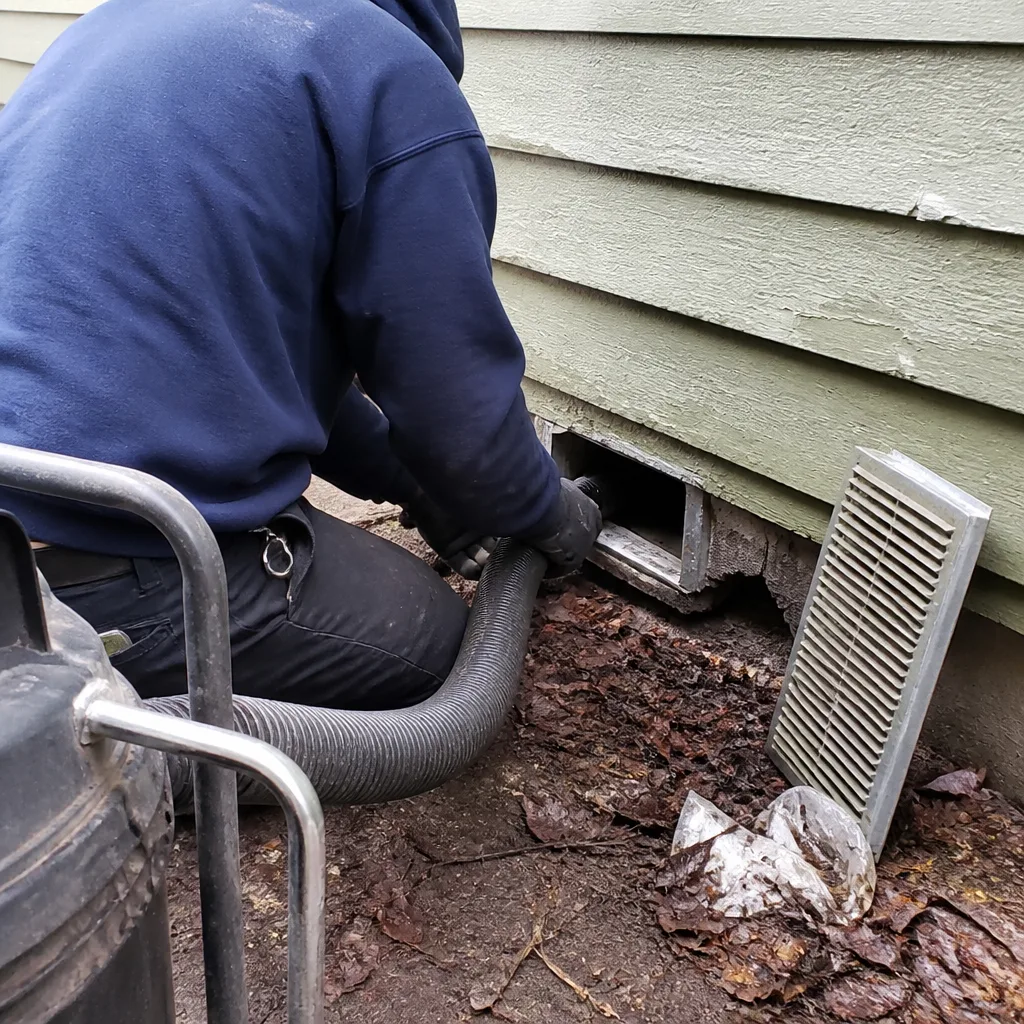 Before
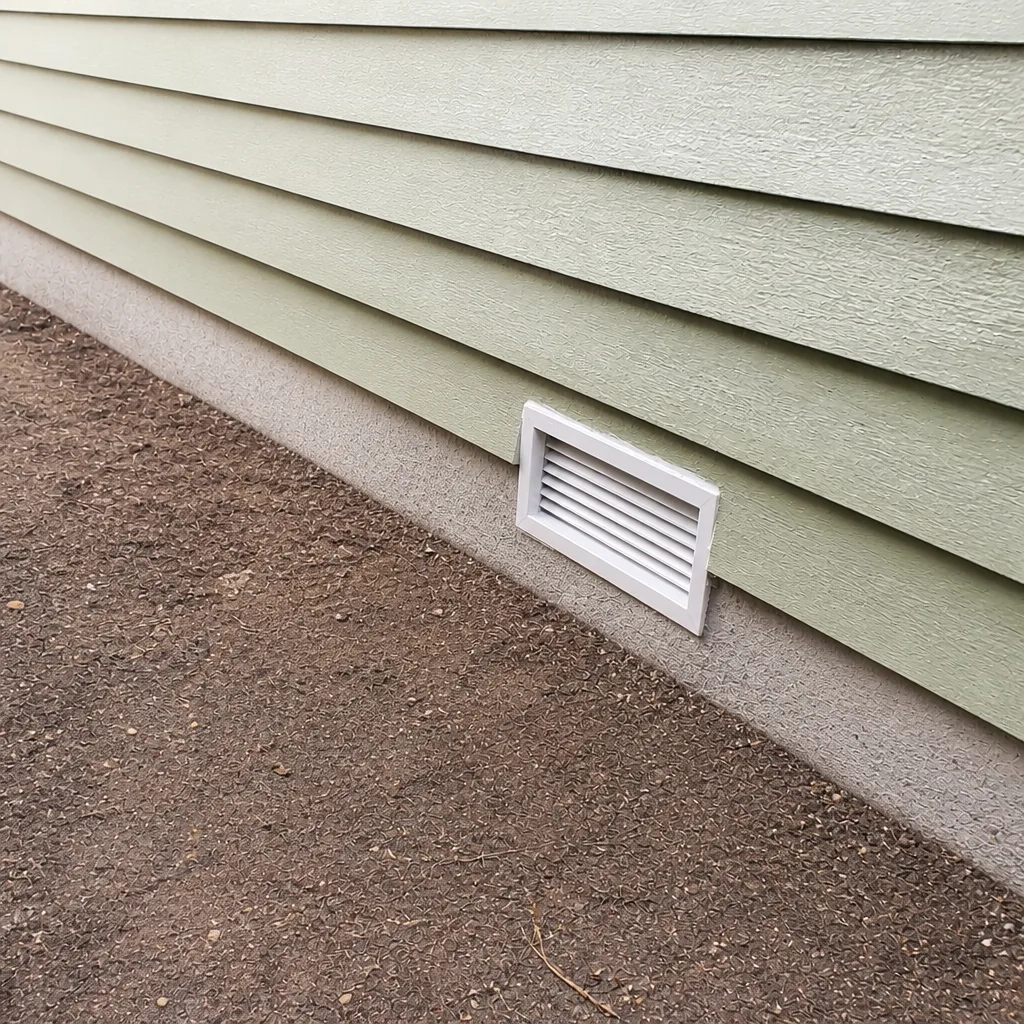 After
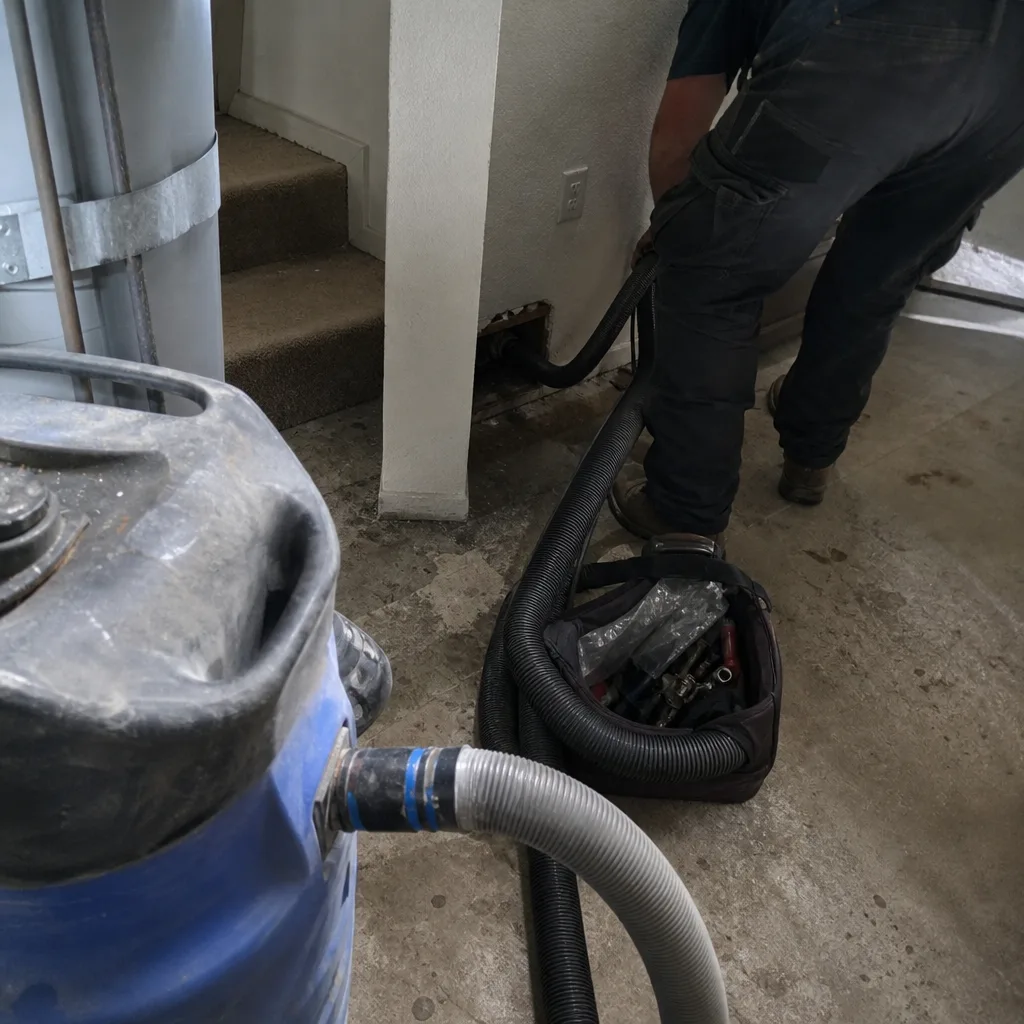 Before
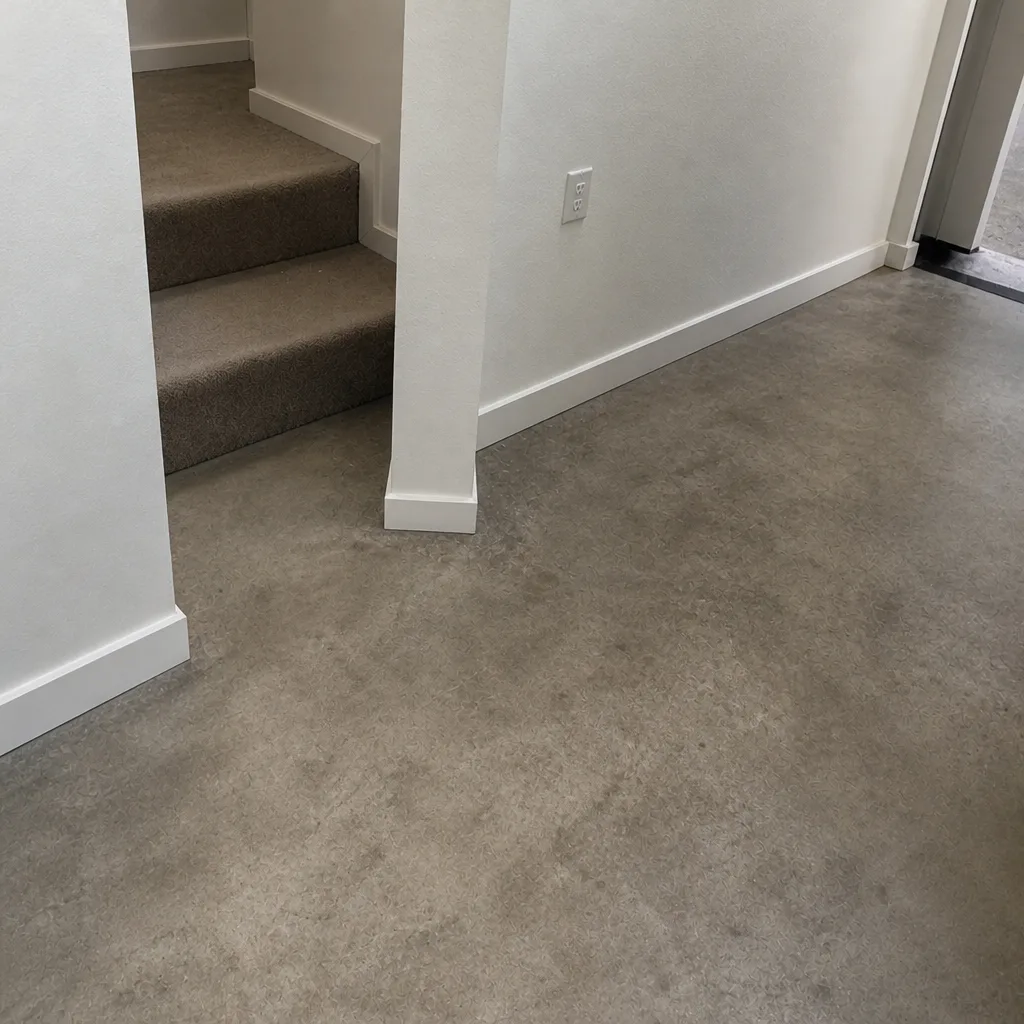 After
 Before
 After
When to Call a Professional
Some duct issues are worth a phone call rather than a wait-and-see. If anyone in the home has allergies or asthma and symptoms seem tied to time indoors, if the registers visibly puff dust when the system starts, if there’s moisture or visible buildup around a register, or if the system is old and has never been cleaned, it’s worth a professional look. Dryer vents are the higher-priority call: lint buildup in a dryer vent is a fire risk, and if you can’t remember the last time yours was cleaned, that’s the call to make first.
If you’ve tried cleaning yourself and the air quality hasn’t improved, or the HVAC system is running harder than it should, the answer usually isn’t another pass with a shop vac. A professional can inspect the whole system – ducts, HVAC components, dryer vent, and joints – and tell you what the actual problem is.
Tacoma Air Duct Cleaning Pros offers free estimates in Tacoma. Call (877) 865-3172. We answer 24/7. Fast dispatch from 7am to 7pm, Sunday through Friday. If you’d rather read first, start with our air duct cleaning page for the service details, or check dryer vent cleaning if that’s the priority.
Frequently Asked Questions
No. Washington has no trade-specific license for duct cleaning, which means anyone with the equipment can legally offer the service. The practical filter is the questions you ask before booking: about equipment, process standards, and contract terms. Call (877) 865-3172 for an exact quote – estimates are free.
Pricing is set per system, not per vent, and the final number is determined by the written estimate after the system is evaluated. Bait-and-switch pricing starts low and rises once the crew is on site; the antidote is one flat price per system agreed before work starts. Call (877) 865-3172 for an exact quote – estimates are free.
The cheap ones are often marketing numbers, not real prices. A quote that doesn’t tie to your actual system and doesn’t include a written line-item scope is designed to bring the number up once the crew arrives. Ask what’s included, what’s excluded, and what changes the price – then get it in writing. Call (877) 865-3172 for an exact quote – estimates are free.
Ask for before-and-after photos of your own ductwork, check that register covers were removed and the boots cleaned, and confirm the air handler was cleaned if that was in scope. The invoice and photos together are your record of the job. Call (877) 865-3172 for an exact quote – estimates are free.
Most homes are fine on an as-needed schedule rather than a fixed interval: after renovation, if someone in the home has respiratory sensitivities, if there’s visible buildup, or if the system has never been cleaned. Dryer vents should be checked more frequently than the ducts themselves. Call (877) 865-3172 for an exact quote – estimates are free.
Not always. Many duct cleaners skip or outsource dryer vents, and sanitizing is usually a separate step. We include all five services under one scope: duct cleaning, dryer vent cleaning, HVAC cleaning, duct repair and sealing, and air quality sanitizing. Call (877) 865-3172 for an exact quote – estimates are free.
How Does the Vetting Process Change If My Ducts Are Old?
Older duct systems deserve a stricter vetting standard than newer ones, mostly because the risk of disturbed debris re-entering the living space is higher and the joints are more likely to leak. If the home is older and the ducts run through a crawlspace or attic, ask specifically about containment: how does the technician keep debris from escaping into the space during cleaning, and what’s done about joint leakage after the clean?
That’s the point at which repair and sealing moves from “nice to have” to “the next step after cleaning.” A duct system with visible gaps at boots, disconnected flex runs, or joints that leak into a crawlspace is going to re-dirty itself if the gaps stay open. Cleaning is the start. Repair and sealing is what makes the clean last.
The same logic applies to sanitizing. In homes where damp crawlspace air enters the system, or where there’s visible microbial growth around registers, the sanitizing step – done with proper containment equipment like Abatement Technologies systems rather than a fogger run through the space – is the part that addresses the microbial load rather than just the visible dust. Standard cleaning removes debris; sanitizing targets what cleaning can’t reach.
In either case, the vetting process is the same: known equipment, written scope, one price per system, before-and-after photos. The difference in an older home is that you should expect the conversation to include repair and sealing as part of the solution, not as an upsell.
The Bottom Line
Hiring a duct cleaner in Tacoma comes down to the same set of checks regardless of what the company’s marketing claims: name the equipment (Rotobrush and Nikro are the real ones), confirm the process follows NADCA source-removal standards, insist on a written line-item scope with one flat price per system, and require before-and-after documentation of your own ducts. In a state with no trade license, those checks are the only filter you get. The cheap quote is usually cheap because it’s not the final price. The right question isn’t “what’s the lowest number” – it’s “what exactly is included, and how will you prove it was done?”
If you’d rather skip the hunting and go straight to a company that answers all of the above without hesitation, that’s what we’re here for. Call (877) 865-3172 for a free estimate on duct cleaning, dryer vent cleaning, HVAC cleaning, duct repair and sealing, and air quality sanitizing. We answer 24/7. Fast dispatch from 7am to 7pm, Sunday through Friday. You can also read more on our Tacoma Air Duct Cleaning Pros homepage or the HVAC cleaning service page for specifics. One flat price per system, agreed before work starts, with before-and-after photos of your own ducts at the end.
Written by the team at Tacoma Air Duct Cleaning Pros.