
Last updated November 23, 2026
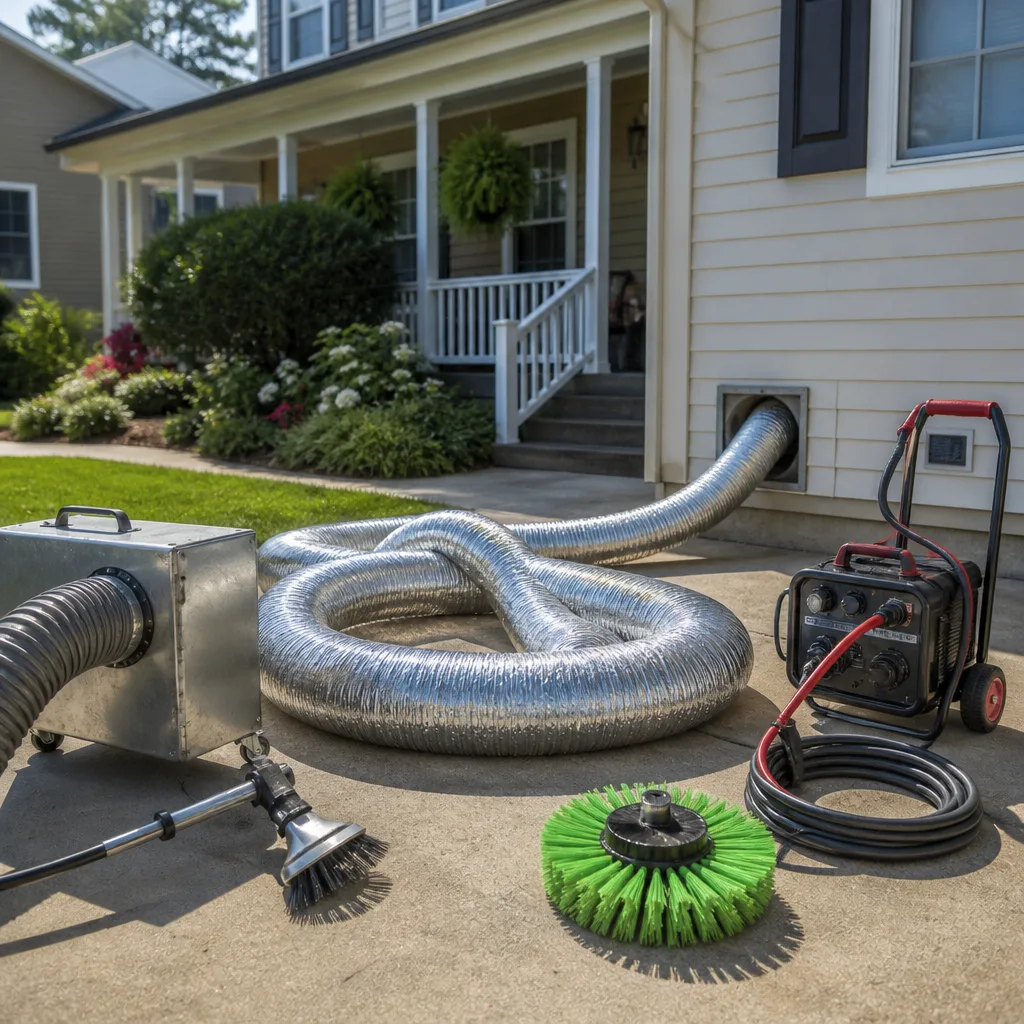 Whole-home duct cleaning
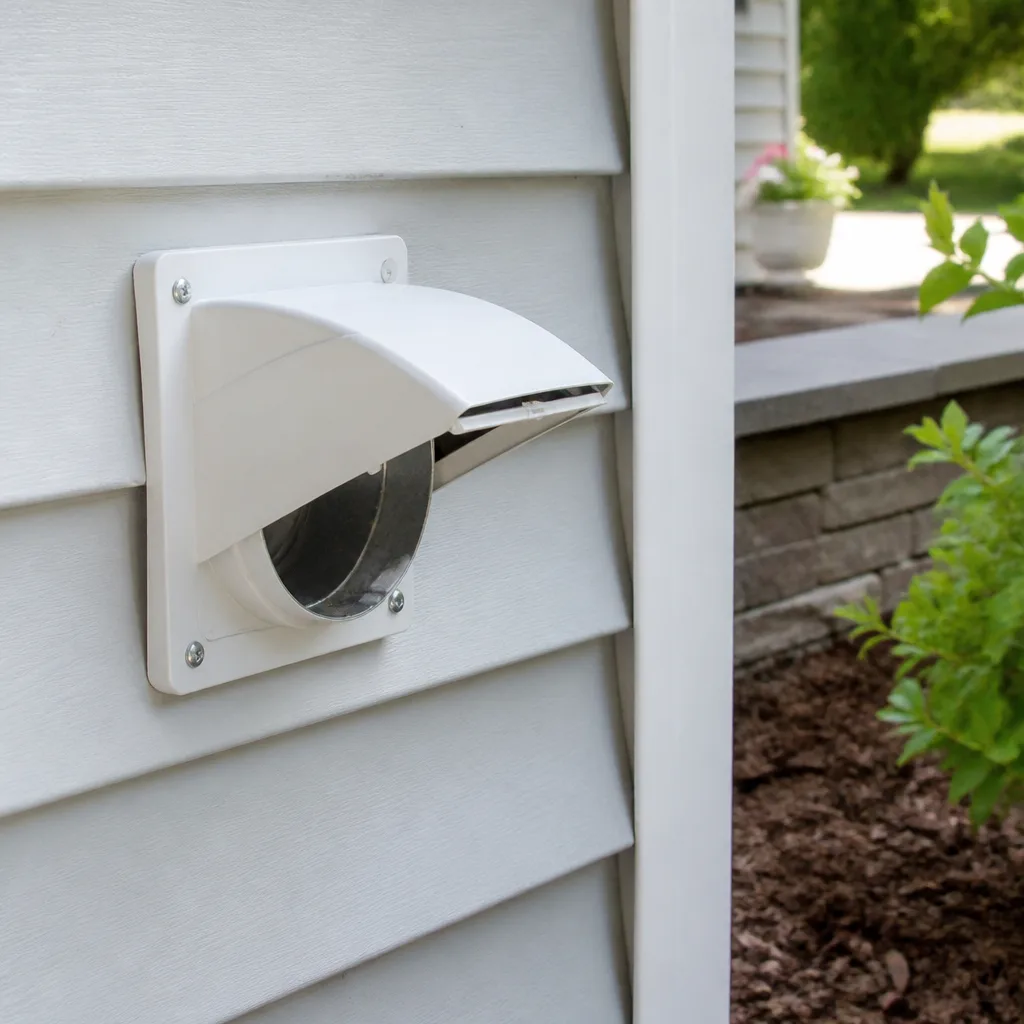 Dryer vent cleaning
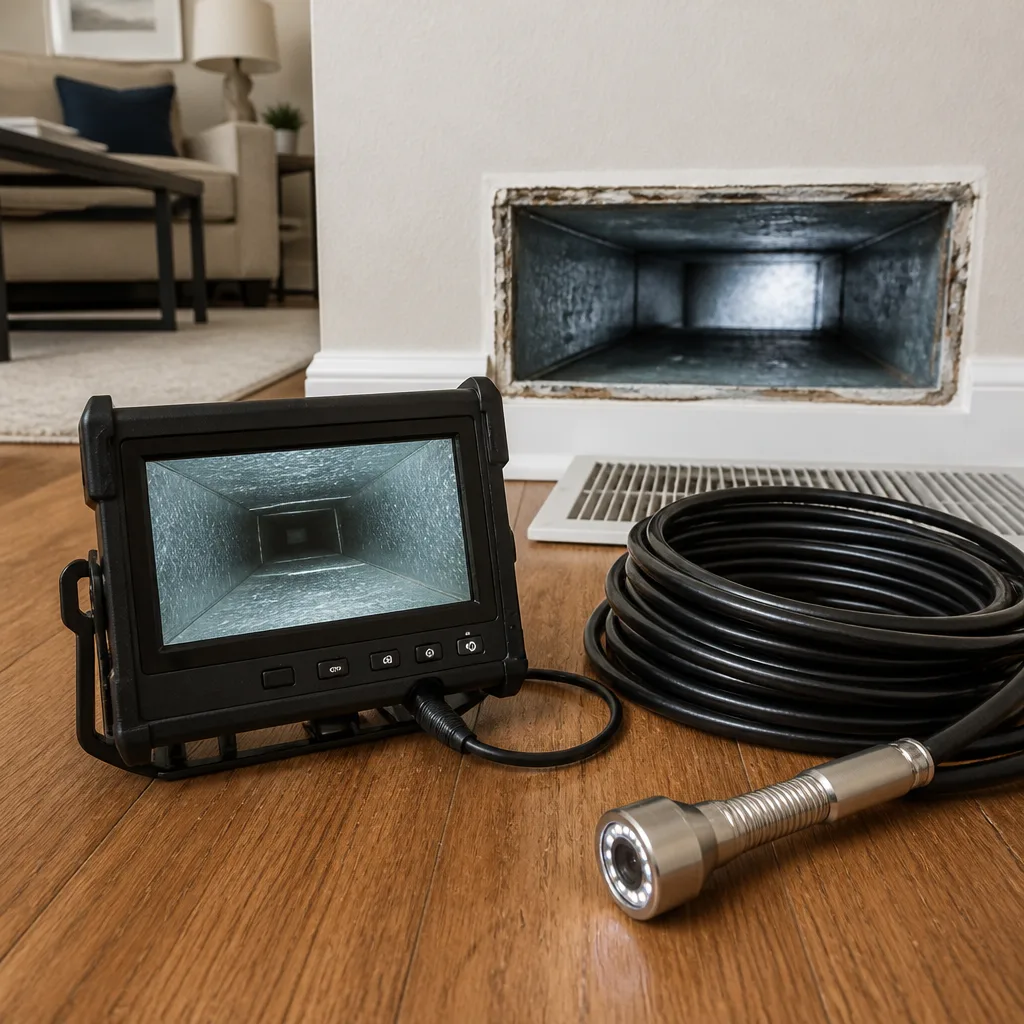 Camera inspection
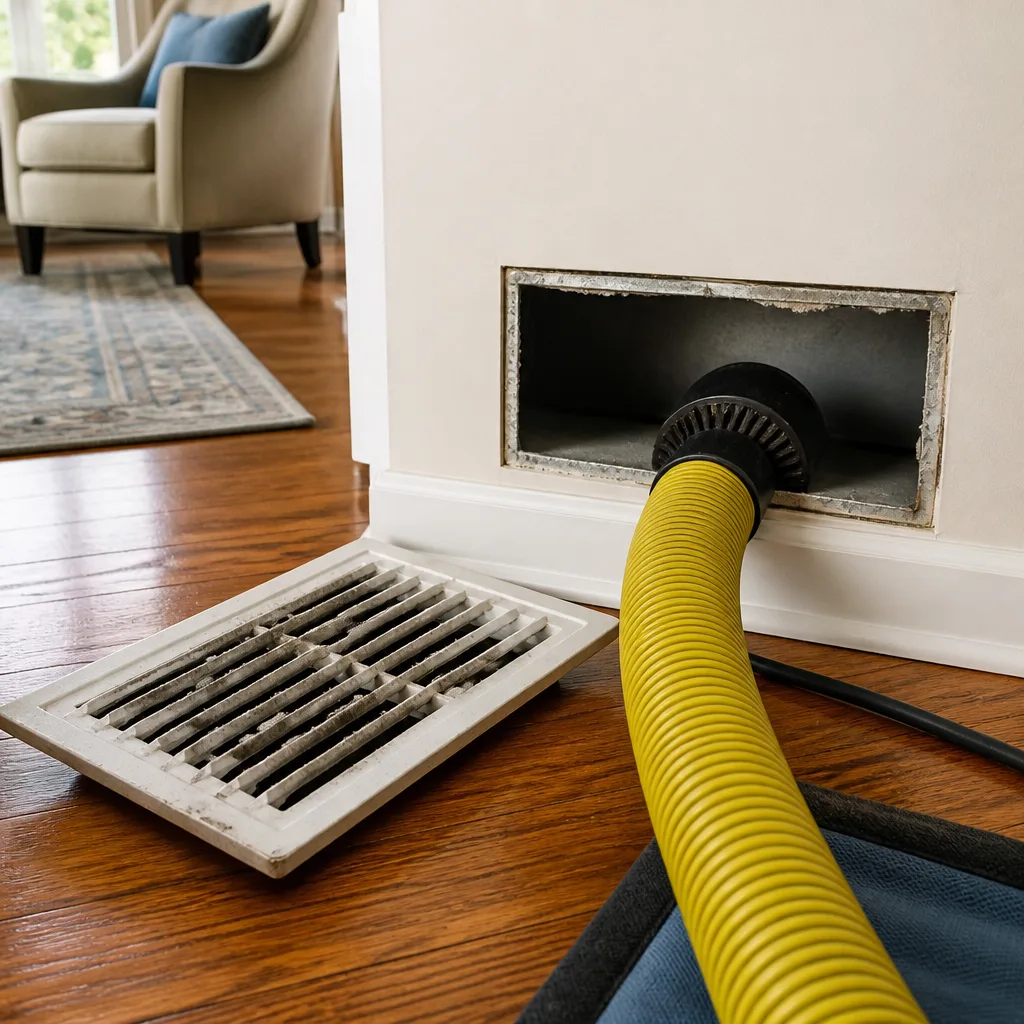 Sanitizing & deodorizing
Whole-system duct and dryer vent check with before-and-after photos - you see exactly what came out of your vents
That "$99 whole-house special" is a bait ad - the real number appears once they are in your hallway, or the "clean" is a shop-vac at the register. We photograph the inside of your ducts before and after instead.
Seasonal Air Duct Cleaning Care for Tacoma: Year-Round Homeowner’s Guide
Most seasonal duct care guides are written for climates with hard winters and brutal summers. They talk about ice damming, baking attics, and dessert-dry air. Tacoma doesn’t work that way. Our duct stressors follow a wet/dry rhythm: wildfire smoke that drifts west from Eastern Washington in late summer and early fall, then months of sustained damp from November through March that lets biological growth wake up inside return plenums nobody has opened in years. If you’ve been following Midwest-style filter advice, you’ve been timing your maintenance against the wrong calendar. This guide reframes the year around what actually happens to Tacoma homes, season by season, so you can plan cleaning around the pressures that matter here.
Quick Answer
The best time to schedule air duct cleaning in Tacoma is late spring to early summer, before heating season begins. Build your year around four checkpoints: inspect after Pacific Northwest wildfire smoke events in September and October, monitor for moisture-driven odors as heating ramps up from November through March, match filter MERV to the season without overloading the blower, and book a full-system cleaning in the dry summer stretch when your ducts are resting. Tackle one seasonal step each quarter and you’ll stay ahead of the two highest-risk periods: early fall smoke intrusion and the wet winter months that feed dormant growth inside flex duct and insulated runs.
Styles & brands we work with
- Whole-home duct cleaning
- Dryer vent cleaning
- Camera inspection
- Sanitizing & deodorizing
Table of Contents
- Why Tacoma’s Duct Care Calendar Looks Different
- Fall: Wildfire Smoke Season and What It Leaves in Your Ducts
- Winter: Heat, Humidity, and Dormant Growth Inside Your Ducts
- Spring: Cedar, Alder, and Pierce County Pollen Loads
- Summer: The Rest Season and Your Best Window to Schedule
- How to Adjust Filter MERV Ratings Seasonally
- Signs Your Ducts Need Attention This Season
- When to Call a Professional
Why Tacoma’s Duct Care Calendar Looks Different
Duct cleaning advice gets recycled from one climate to another, and that’s the first thing to set aside. In the Midwest or the Mountain West, the dominant stressor is the freeze-thaw cycle: cracked seals, condensation that freezes, and heating systems that run at extremes. Tacoma sits in a different pattern altogether. Our winters are wet and mild, our summers dry and moderate, and the seasonal swings that hit our duct systems come from moisture and smoke rather than hard cold.
That means two periods deserve most of your attention. The first is late summer into early fall, when wildfire smoke from Eastern Washington can push into the Puget Sound region and get pulled into return air. The second is the long wet stretch from November through March, when interior humidity climbs and stays elevated for months. A home with never-inspected return plenums, particularly those built with flex duct or insulated runs, can quietly support biological growth that only shows up as a musty smell or a persistent allergy symptom months later.
Here’s the seasonal pattern we recommend for a typical Tacoma home:
- September to October: Post-smoke inspection of filters and visible duct surfaces.
- November to March: Watch for moisture signs, odors, and increased dust as the heat runs.
- April to May: Pollen season filter swap and duct walk-through.
- June to August: Full-system cleaning and duct repair work while the system rests.
Homeowners in older neighborhoods across Tacoma, from North End to South Tacoma, often have return duct systems that were never sealed well to begin with. That’s why we treat cleaning and duct repair as one job rather than two. Cleaning alone won’t fix leaky joints, and sealing leaky joints without cleaning just traps what’s already there. If you want the baseline view of what a full-system cleaning actually covers, air duct cleaning walks through the process.
It also helps to know what your heating and cooling equipment is doing during each season. A duct system is not a closed loop – the air handler, return plenum, and supply runs are all connected. Seasonal buildup on coils, blower wheels, and cabinet interiors mirrors what lands in the ducts themselves. That’s why HVAC cleaning belongs on the same seasonal calendar.
Fall: Wildfire Smoke Season and What It Leaves in Your Ducts
Late summer and early fall is the single highest-risk period for duct contamination in Tacoma homes. When Eastern Washington burns, prevailing airflow often carries smoke west across the Cascades, and the Puget Sound region can sit under a haze for days. Every time a heating or cooling system runs during a smoke event, it pulls that particulate through return air and deposits a portion of it on duct surfaces, filter media, and blower assemblies. Once the air clears, the debris stays.
What makes this different from typical dust is that wildfire smoke carries fine particulate along with char and ash residue. Fine particles aren’t the kind of thing a standard filter catches completely, and duct surfaces downstream of the filter collect what passes through. That’s why we treat a serious smoke season as a legitimate trigger for inspection, even in homes that had a cleaning within the past year or two.
What we look at after smoke season:
- Whether the filter was replaced mid-season or loaded up and left in place.
- Visible residue on accessible return grilles and plenum interiors.
- Fine dust settling on blower wheel vanes and cabinet interiors.
- Odor on first heat cycle in October, which often signals absorbed smoke in filter media or duct lining.
Our fall recommendation is straightforward. Replace the filter before smoke season and again after, do a quick visual check of return grilles, and if you smelled smoke indoors longer than the outdoor air quality stayed poor, plan an inspection. Homes near the Port of Tacoma, the Tideflats, and lower-elevation areas that trap air often notice this more than homes up on the hills where airflow is better.
Fall is also the season to check the dryer vent. Cooler weather means more laundry and a dryer running longer to dry heavier loads, and lint buildup in the duct is a fire risk regardless of season. We include dryer vent cleaning in our work for exactly that reason – it’s a fire-safety service many duct cleaners skip.
Winter: Heat, Humidity, and Dormant Growth Inside Your Ducts
Heating season from November through March is when most Tacoma homeowners first notice a musty smell on startup, a spike in dust, or an uptick in allergy symptoms. The cause is usually not the heating equipment itself. It’s the combination of sustained humidity and a heating system that wakes up biological material that colonized the ducts during the wet fall.
Here’s what happens in a typical Tacoma home during this stretch. Exterior humidity runs high for months. Return plenums, particularly those routed through unconditioned spaces or built with flex duct and internal insulation, stay marginally damp. The first time the heat runs hard in November, that slightly damp air warms up inside the duct and gets pushed into living spaces. If there was any dormant microbial growth on duct surfaces or insulation, the conditions that let it grow are now present every day, not just occasionally.
Common winter signals to watch for:
- Musty or “old basement” odor on the first ten minutes of heat each morning.
- Increased visible dust settling on furniture and window sills.
- Allergy symptoms that follow heating cycles rather than outdoor pollen counts.
- Persistent moisture on interior window glass, which hints at elevated indoor humidity overall.
- Cold spots or reduced airflow from vents, which can indicate ducts that have come loose or filled with debris.
This is the season when our sanitizing service makes the most sense. We use Abatement Technologies air scrubbing equipment for that work – it’s a containment-grade approach that reaches surfaces and airborne particulate that a standard vacuum pass won’t. Combined with Guardsman-grade cleaning solutions, it addresses the biological side of the problem rather than just the visible dust. If you’ve been dealing with a winter odor cycle for more than one season, this is the piece worth adding. You can read more about what that involves on our Tacoma Air Duct Cleaning Pros homepage.
If you heat with a system that pulls outdoor air through a fresh-air intake, pay attention to what that intake is sucking in during wet weather. Intakes near ground level or under decks can pull in damp air and leaf debris, and that captures a lot of what a filter alone can’t handle. Cleaning and sealing the duct system won’t fix a bad intake location, but it will keep what gets in from spreading.
Spring: Cedar, Alder, and Pierce County Pollen Loads
Spring in Pierce County means cedar, alder, and birch pollen in the air, and a lot of it. Cedar and alder are two of the heaviest local pollen sources, and they release over a stretch long enough to overlap with the first warm weeks when homeowners start opening windows and letting the heat rest. For allergy-prone households, this is a season when duct-borne contamination amplifies the outdoor pollen load rather than just tracking with it.
The way to think about it is this: outdoor pollen reaches your lungs either directly through open windows or indirectly through your return air and filter. If your ducts and filter media still hold particulate from a heavy fall and winter, spring pollen won’t be filtered out efficiently. A filter that’s already loaded at the start of pollen season is a filter that’s doing less work than its MERV rating suggests.
Our spring checklist for Tacoma homes:
- Replace the filter at the first sign of cedar or alder pollen (mid to late March in most years).
- Walk the return grilles with a vacuum and inspect for dust loading.
- Check that supply grilles are delivering even airflow room to room.
- Note any odor on first AC use, since cooling coils and condensate trays can grow their own growth over the dormant heating season.
- Schedule a full-system cleaning if you postponed last spring.
Spring is also a good time to look at duct sealing, because leaky joints become more visible in the evidence they leave behind: dust streaks at duct connections, temperature differences between rooms, and higher energy use than the same weather should require. Duct repair and sealing closes those gaps so future pollen, dust, and moisture can’t shortcut their way into the system through unsealed joints.
For households where someone has asthma or seasonal allergies, we often recommend pairing cleaning with an upgraded filtration setup. Aprilaire and Honeywell both make media filters and air quality products that we install after cleaning, so the improvement holds season to season rather than fading in a few months.
Summer: The Rest Season and Your Best Window to Schedule
Summer is the one season in Tacoma when most duct systems get a real break. Heating doesn’t run much, cooling loads are moderate compared to most of the country, and windows open far more often than they close. That combination makes summer the smartest time to schedule full-system cleaning, duct repair and sealing, and any air quality upgrades. You get the work done while your ducts aren’t in daily use, and you start heating season with a system that’s clean, sealed, and settled.
There’s a practical reason too. Cleaning a duct system involves equipment moving through the home, filter swaps, and in many homes access to plenums, registers, and equipment cabinets. Doing that in summer means no fighting with a running system, no risk of pushing cleaning dust through the house mid-heat call, and a couple of months of settled-in performance before you need it most. By the time fall smoke season arrives, the system is already in its best state.
What we typically do during a summer service visit:
- Whole-system visual inspection, including return plenums and accessible duct runs.
- Cleaning using Rotobrush and Nikro systems, which agitate surfaces and extract debris rather than just blowing it through.
- HVAC cabinet and coil cleaning where buildup is present.
- Duct repair and sealing at any joints showing leakage or separation.
- Post-cleaning sanitizing where odor or biological growth is suspected.
- Filter upgrade consultation and, if requested, installation of a premium solution from Honeywell or Aprilaire.
We use Rotobrush and Nikro because the equipment matters here. Rotating brush tools physically scrub duct surfaces instead of just vacuuming the loose layer, and the high-volume extraction pulls the dislodged material out of the system entirely. That’s the difference between a real cleaning and a vacuum pass that looks done but leaves most of the contamination in place.
If you’re considering a full-system clean this summer, doing it in the same visit as your HVAC cleaning saves you a second appointment and gets the whole system handled at once.
How to Adjust Filter MERV Ratings Seasonally
Filter ratings do not work like a stereo volume knob. Higher MERV doesn’t mean better in every situation, and going too high on a residential system can restrict airflow enough to strain the blower motor and reduce efficiency. The goal is to match the filter to the season and to your system’s airflow capacity, not to chase the highest number on the packaging.
Here’s how we think about seasonal MERV choices for Tacoma homes:
- Fall (smoke season): This is when a higher MERV matters most. If your system can handle it, a MERV 11 to MERV 13 media filter captures substantially more fine particulate than a basic pleated filter. If your system is older or airflow is already marginal, stay moderate and clean more often instead.
- Winter (moisture season): MERV choice matters less than filter freshness. A filter that’s loaded up from smoke season restricts airflow and can worsen the exact symptoms you’re trying to resolve. Replace before the first hard heating month.
- Spring (pollen season): Same principle – a fresh medium-MERV filter is usually better than an aging high-MERV one. If pollen is your household’s main issue, a MERV 11 to 13 media filter is a reasonable balance.
- Summer (rest season): If you’re scheduling a cleaning, this is when to upgrade to a deeper media filter, since airflow testing can be done during the visit. Aprilaire and Honeywell media filters are what we install most often because they hold more dust before they load.
Two rules that apply year-round:
- Never go above what your system was designed for. A 1-inch slot filter rated MERV 16 will strangle a typical residential blower long before it protects it.
- Change by condition, not just by calendar. A home near the Port of Tacoma or along a busy arterial will load a filter faster than a home on a quiet residential street.
If you’re unsure what your system can handle, that’s a conversation worth having during an inspection. We can look at filter depth, blower performance, and duct sizing together and recommend a rating that protects air quality without cutting into airflow.
Signs Your Ducts Need Attention This Season
Not every home needs a cleaning every season, and part of the value of a seasonal calendar is knowing when the answer is “wait” versus “this needs a look.” Some signs are obvious. Others only show up if you know what to watch for.
Signs that point toward scheduling an inspection:
- Musty odor on startup. Especially in winter. This is one of the more reliable early indicators of moisture-related contamination.
- Visible dust plumes from supply vents when the system first kicks on after a pause.
- Allergy symptoms that follow HVAC cycles rather than outdoor pollen counts.
- Uneven airflow room to room, which can mean a disconnected or crushed duct rather than just a dirty system.
- Post-smoke-season residue on return grilles and filter housings after a heavy wildfire smoke year.
- Recent remodeling or renovation in the home, which pushes drywall dust and construction debris into return air.
- New-to-you home, where you don’t know the previous owner’s maintenance history.
Signs that point toward checking the dryer vent instead:
- The dryer takes noticeably longer to dry a standard load.
- The exterior vent flap doesn’t open fully when the dryer runs.
- The top of the dryer gets hot to the touch during a cycle.
- Lint accumulates around the dryer or behind it faster than it used to.
Dryer vent buildup is a leading cause of house fires, which is why we clean those on the same visit rather than treating them as a separate contractor’s job. The signs above are worth acting on promptly, in any season.
Common Mistakes to Avoid
- Timing maintenance against a Midwest calendar. If you’re scheduling duct cleanings based on general advice written for freeze-thaw climates, you’ll miss Tacoma’s real high-risk windows. The smoke season in early fall and the wet stretch from November through March are the two periods that matter most here.
- Chasing the highest MERV filter. A filter rated higher than your system can handle restricts airflow and strains the blower. On a residential system, a moderate media filter changed regularly almost always beats a high-MERV filter starved for airflow.
- Skipping the post-smoke check. A heavy wildfire smoke season leaves more residue in the system than most homeowners realize. Treating the following fall like any other year means that residue gets pushed back into the living space all winter.
- Cleaning without addressing duct leakage. Cleaning a leaky duct system and leaving the joints unsealed means contamination re-enters through the same gaps. Pair cleaning with duct repair and sealing so the improvement holds.
- Assuming a cheap quote covers the same scope. Some low-priced quotes cover only visible registers and skip the return plenum or equipment cabinet. The only way to compare fairly is to ask exactly what gets cleaned and whether the price is flat per system or per vent.
- Waiting until the house smells musty in January. Winter odor usually means contamination built up during the wet fall. Scheduling a check in late summer or early fall gets ahead of it rather than reacting to it.
- Forgetting the dryer vent. It’s easy to treat dryer vent cleaning as a separate project and postpone it indefinitely. Considering it part of the same seasonal calendar keeps a fire-safety item from slipping.
When to Call a Professional
You can handle filter swaps and visual walkthroughs on your own. But some situations call for the equipment and inspection that only a professional cleaning service brings. If you’ve had a heavy wildfire smoke season and your indoor air didn’t fully recover, if a musty odor shows up on startup each winter, if you’ve remodeled and the return system hasn’t been touched since, or if you just moved into a Tacoma home with no maintenance history, that’s the point to schedule an inspection rather than keep guessing. Persistent allergy symptoms that follow heating and cooling cycles, uneven airflow, and visible dust settling faster than it should all point the same direction. Tacoma Air Duct Cleaning Pros offers free estimates in Tacoma – call (877) 865-3172. We answer 24/7. Fast dispatch from 7am to 7pm, Sunday through Friday. Our technicians have up to 9 years of experience, and the work is done with Rotobrush and Nikro systems so what gets dislodged actually gets extracted.
See the difference
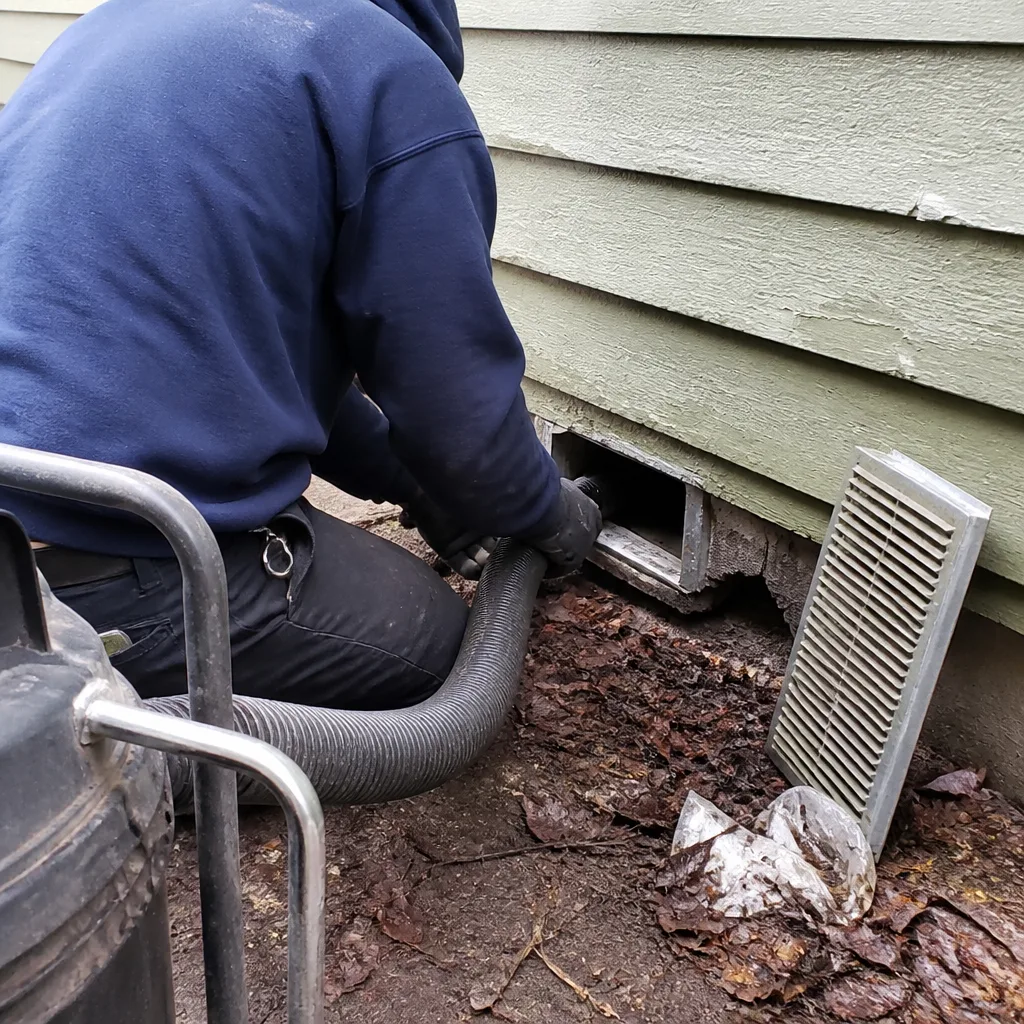 Before
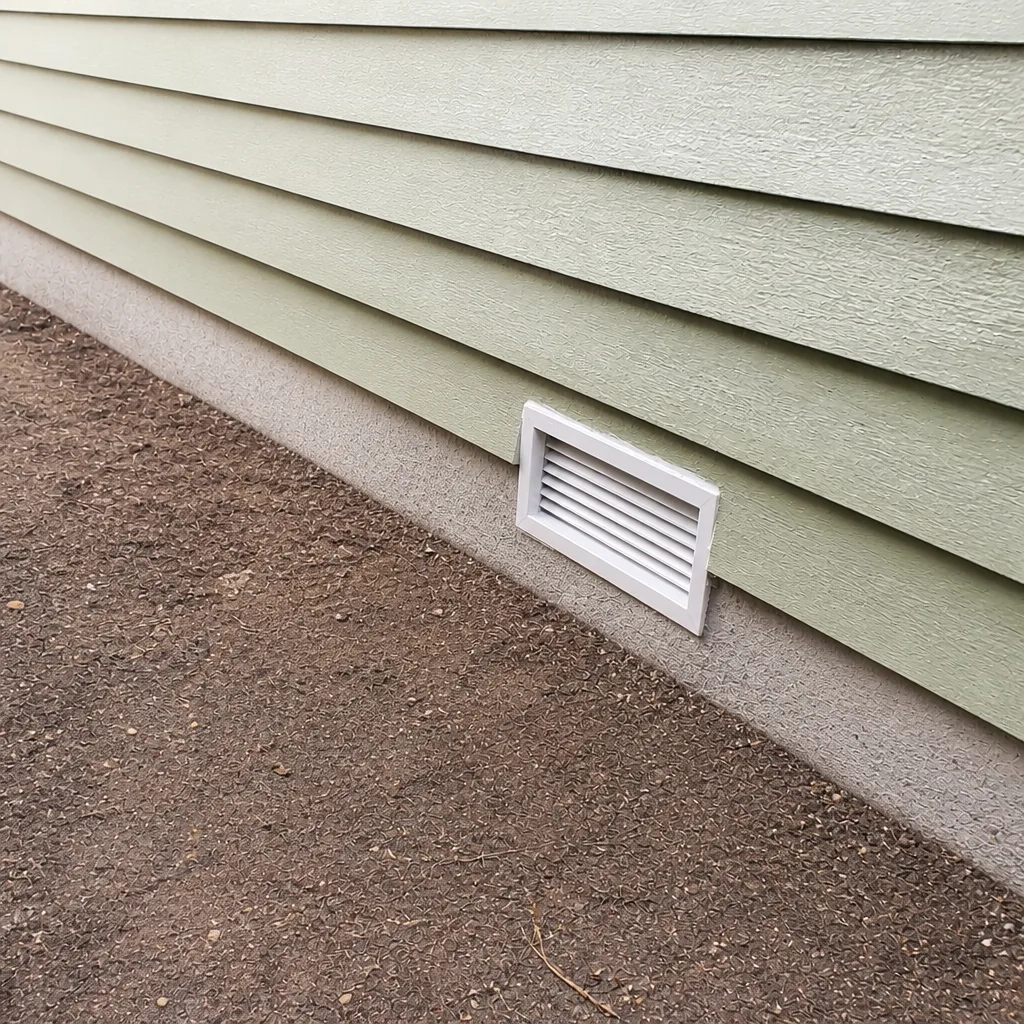 After
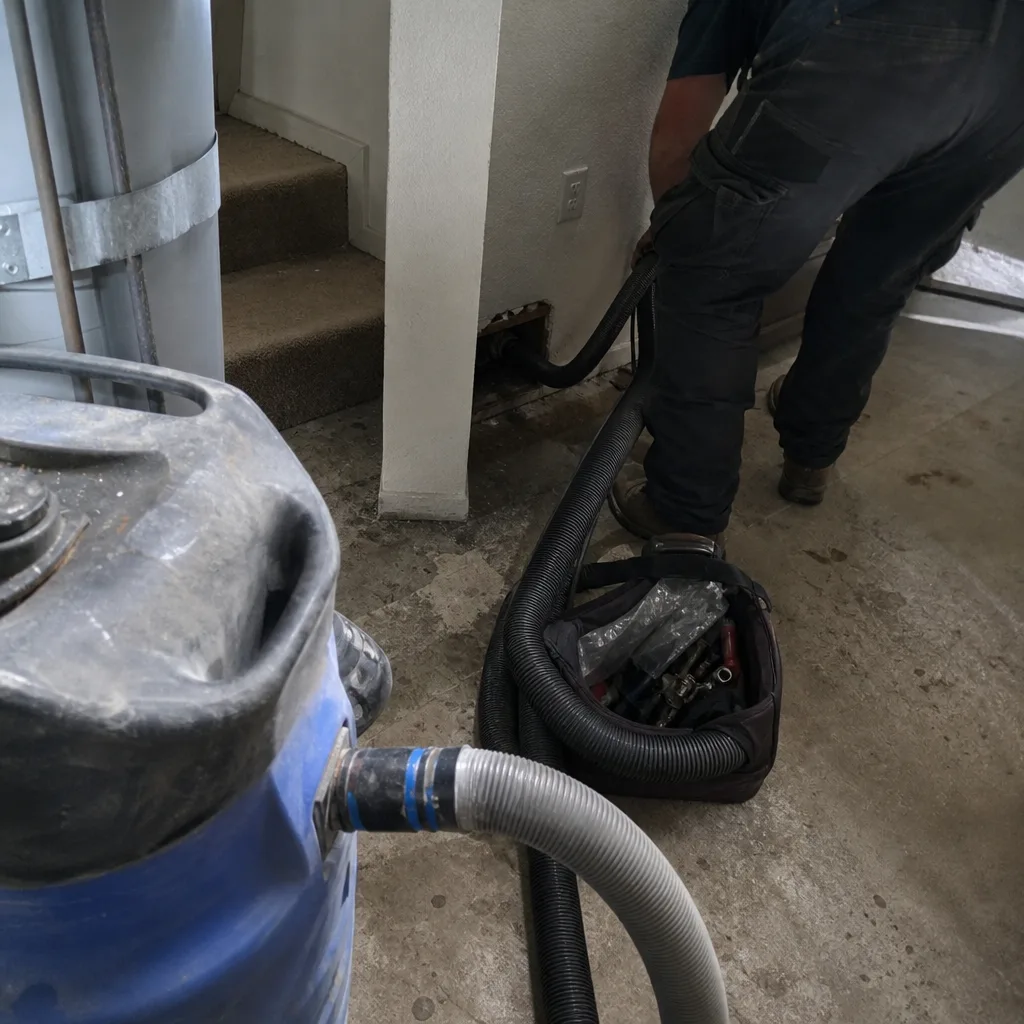 Before
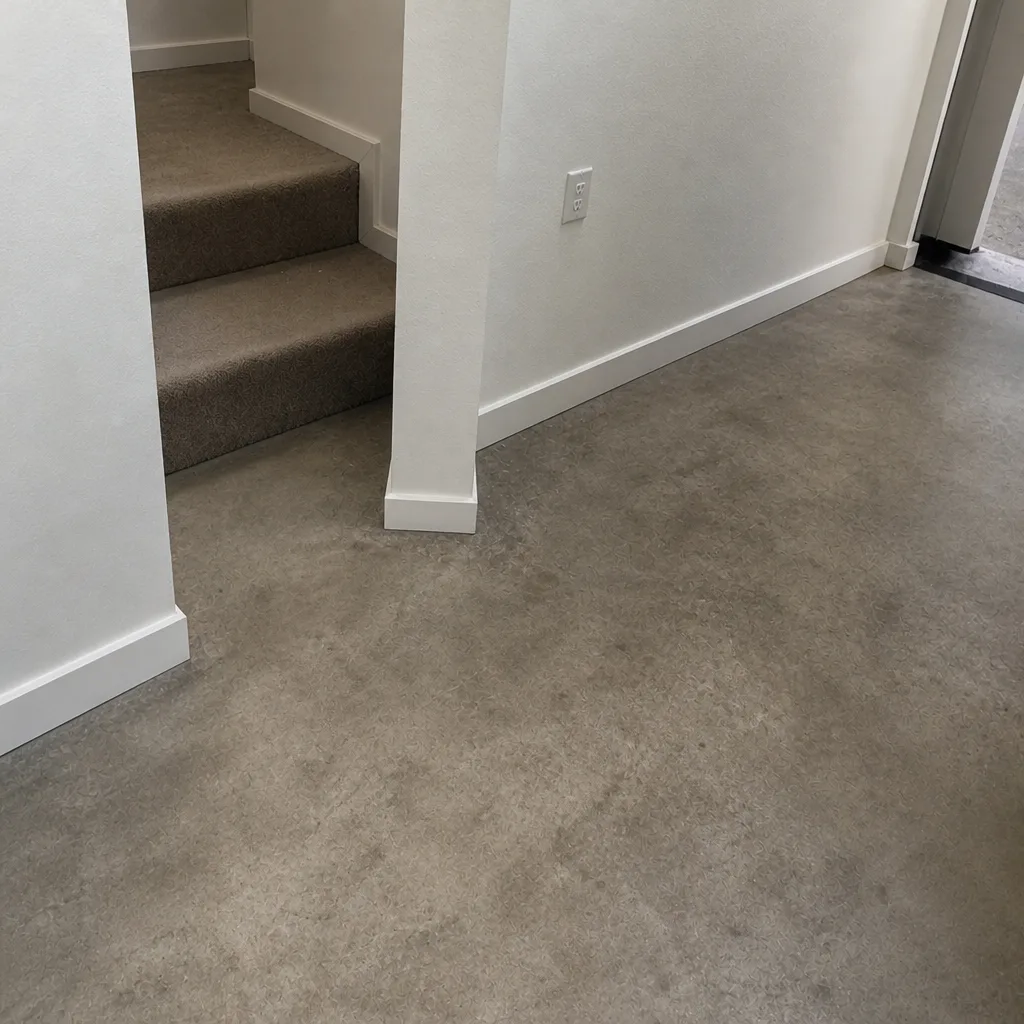 After
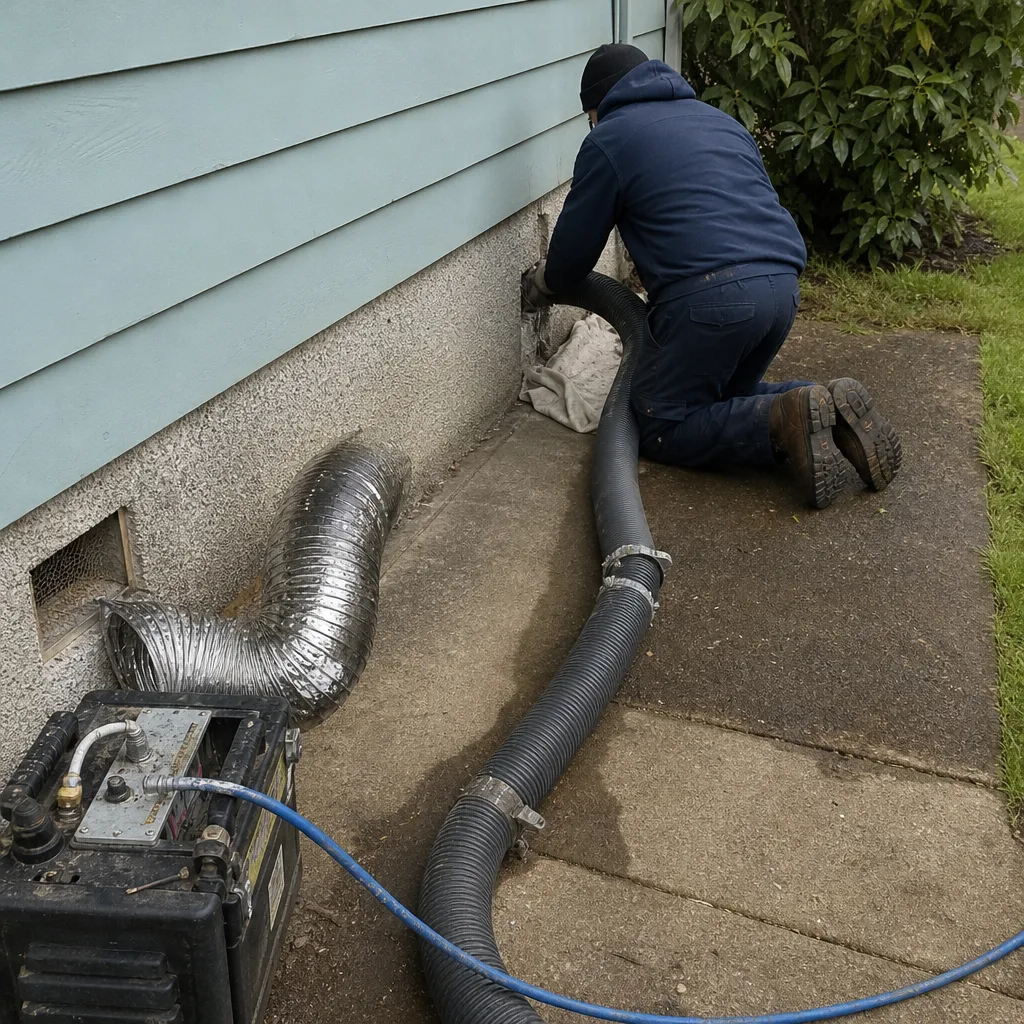 Before
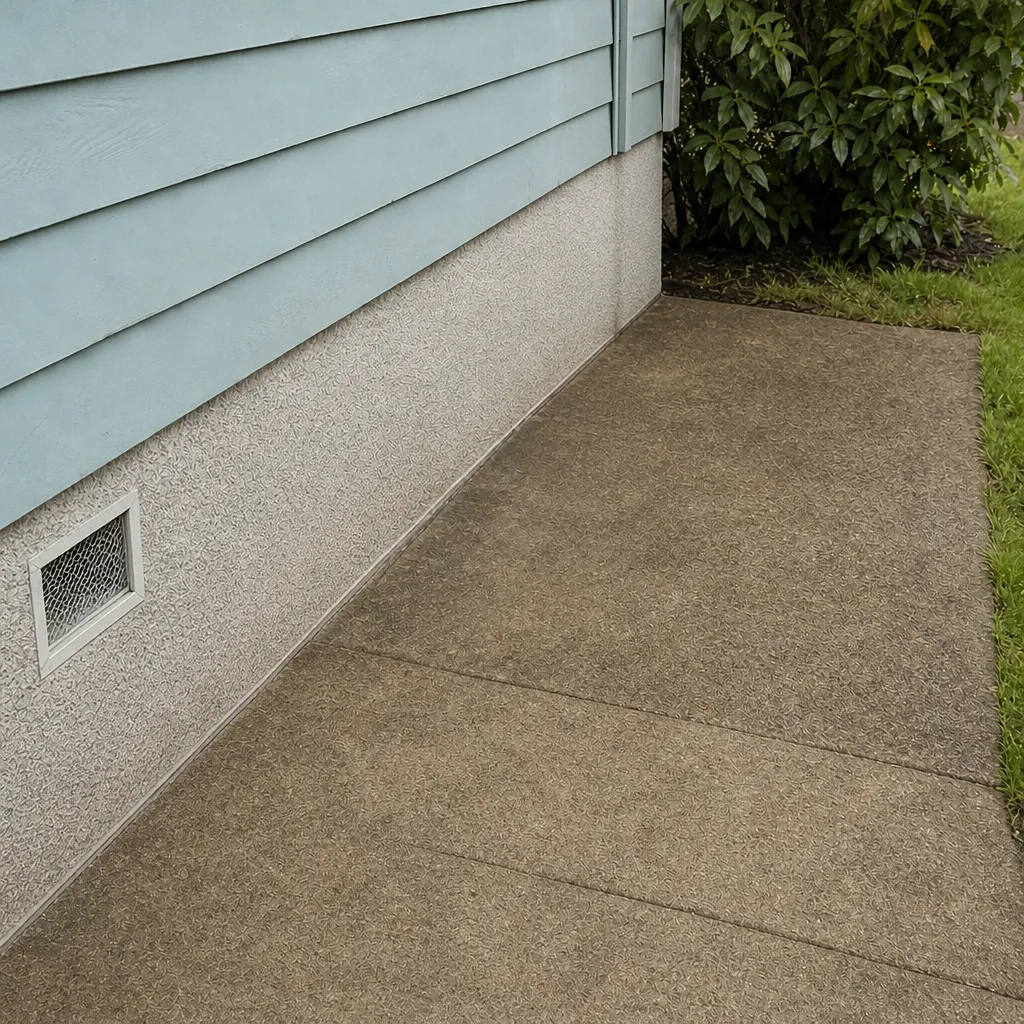 After
Frequently Asked Questions
Most Tacoma homes benefit from a full-system cleaning every two to three years, with a filter replacement and visual inspection once or twice a year. Homes near the Port of Tacoma, remodels in progress, and households with allergy or asthma sufferers often do better on the shorter end of that range. Homes with pets or a heavy smoke exposure year should also consider cleaning sooner rather than waiting the full cycle. If you’re unsure where you stand, an inspection will tell you more than a calendar will.
Fall is the highest-risk window for Tacoma homes because of wildfire smoke drifting west from Eastern Washington. Late summer and early fall are when fine particulate from smoke seasons lands in return ducts and on filter media. Inspect and replace filters right after any significant smoke period, and schedule a professional cleaning if the residue is obvious or the house still smells like smoke weeks later. The wet winter months that follow compound the problem, which is why the fall checkpoint matters so much.
Usually not on a residential system. A high-MERV filter that exceeds your system’s airflow capacity will restrict airflow and strain the blower motor, which can cost more in equipment wear than the filter saves in air quality. The better approach is a moderate MERV that your system can handle, replaced on schedule. If you want to upgrade to a deeper media filter, Aprilaire and Honeywell solutions are what we install most often because they hold more dust before they load.
That smell typically comes from biological growth inside the duct system that wakes up when heat runs through a damp return plenum for the first time in the season. Tacoma’s wet months keep indoor humidity elevated long enough for dormant growth to reactivate. Cleaning combined with sanitizing using Abatement Technologies air scrubbing and Guardsman-grade cleaning solutions is the approach we recommend for that pattern. Call (877) 865-3172 for a free estimate if you’ve had the smell more than one season.
No. Our work covers dryer vent cleaning as part of the same service scope as duct cleaning, so you can book both in one visit. That’s a meaningful difference from providers who outsource or skip dryer vent work, since dryer vent cleaning is a fire-safety service, not a cosmetic add-on. If the dryer is running hot, taking longer than it used to, or the exterior flap barely opens when it’s running, schedule before the next heating season.
Scope and equipment. A low-priced quote often covers only visible registers and a light vacuum, while a full-system cleaning includes return plenums, accessible duct runs, equipment cabinets, and extraction using rotating brush tools that physically agitate the surface. The only way to compare quotes is to ask exactly what gets cleaned and whether the price is flat per system or per vent. One flat price per system, agreed before work starts, is the structure that avoids the bait-and-switch pattern that gives this trade a bad name. Ask for before-and-after photos of your own ducts as part of the estimate.
The Bottom Line
Tacoma duct care works on a wet/dry calendar, not the freeze-thaw cycle most seasonal guides assume. Build your year around four checkpoints. Inspect after wildfire smoke season in late summer and early fall. Watch for winter moisture signals from November through March, especially musty odor on startup and dust that follows heating cycles. Swap filters ahead of Pierce County pollen in spring, and match MERV to what your system can actually handle. And use summer for the full-system cleaning, duct repair and sealing, and any air quality upgrades so the system starts the next heating season clean and tight. One calendar, one set of visits, and the whole system stays ahead of the pressures that matter in Tacoma.
Contact
If this guide raised questions about your own home, we’re glad to help. Our work covers the full five-service scope under one call: air duct cleaning, dryer vent cleaning, HVAC cleaning, duct repair and sealing, and air quality sanitizing with Rotobrush and Nikro equipment and Abatement Technologies scrubbing on sanitizing jobs. One inspection can usually identify duct leakage, contamination, and equipment buildup together, so you get a plan in a single visit instead of juggling contractors. Call (877) 865-3172 for a free estimate. We answer 24/7. Fast dispatch, 7am-7pm, Sunday through Friday.
Written by the team at Tacoma Air Duct Cleaning Pros.